
5 Key Considerations When Buying Display Racks for Your Shop
Ever wondered how some stores manage to turn simple products into irresistible treasures? The secret often lies in their store fixtures! But choosing the right ones isn’t a walk in the park. Here are five crucial factors to keep in mind when shopping for store fixtures.
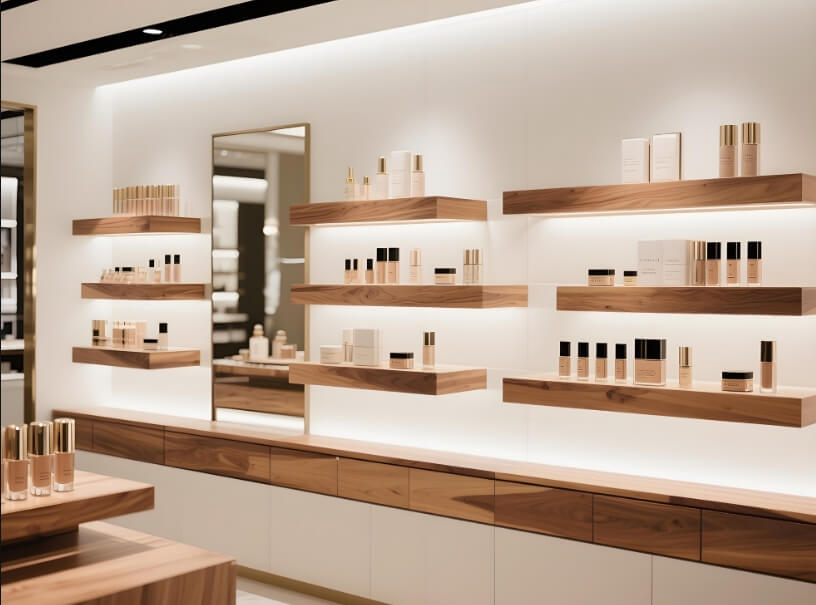
1.Design Style and Brand Identity Alignment.
Design Style and Brand Identity Alignment is crucial when selecting store fixtures for your retail spaces. The fixtures you choose play a significant role in shaping the customer experience and reinforcing your brand identity. While they may not always be the first thing customers notice, these elements are like the unsung heroes of your store, subtly conveying your brand’s personality and values to shoppers.
For instance, if your brand embodies a modern, high-end aesthetic, sleek and minimalist fixtures can align perfectly with this image. Such designs often feature clean lines, neutral tones, and materials like glass or polished metal, which create an atmosphere of sophistication and elegance. On the other hand, if your brand focuses on vintage charm or artisanal craftsmanship, rustic wooden fixtures might better suit your needs.
These types of fixtures can evoke warmth and authenticity, enhancing the overall appeal of your store and resonating with customers who appreciate traditional or handmade products.
When choosing fixtures, it’s essential to consider various factors such as color schemes, shapes, textures, and the overall visual harmony between the fixtures and your store’s interior design. Every element should work together seamlessly to create a cohesive environment that reflects your brand identity.
For example, a beauty store aiming to project luxury might opt for elegant glass shelves paired with metallic accents to display makeup products. This combination not only highlights the products effectively but also creates an upscale and inviting ambiance that aligns with the brand’s positioning.
Moreover, well-designed fixtures can serve as more than just functional pieces; they can become conversation starters and memorable aspects of the shopping experience. Unique designs have the potential to draw attention, spark curiosity, and leave a lasting impression on customers.
Imagine walking into a boutique where the fixtures themselves tell a story—perhaps through intricate carvings, bold colors, or innovative shapes. Such details can make the shopping experience more engaging and enjoyable, encouraging customers to return and recommend the store to others.

2.Size and Space Adaptability.
Size and Space Adaptability is a critical factor to consider when purchasing store fixtures for your retail space. The right choice of fixtures can significantly enhance the shopping experience, while the wrong ones can lead to inefficiencies and even deter customers. One of the most common mistakes retailers make is selecting fixtures that do not properly fit the available space. This mismatch can have several negative consequences, both in terms of aesthetics and functionality.
If the fixtures are too large, they can overwhelm the store, making it feel cramped and cluttered. Customers may find it difficult to move around comfortably, which can discourage them from spending more time in the store. On the other hand, if the fixtures are too small, they may fail to adequately display products, leading to missed opportunities for sales. In some cases, undersized fixtures might also make the store appear empty or understocked, which can negatively impact the perceived value of the brand.
To avoid these issues, it is essential to carefully measure the available space before making any purchases. This includes not only the floor area but also the height, width, and depth of the intended fixture locations. Additionally, retailers should consider the vertical space available, as taller fixtures can help maximize storage capacity without taking up additional floor space. For example, wall-mounted shelves or hanging racks can be excellent solutions for stores with limited square footage.
Another important consideration is the flow of foot traffic within the store. A well-organized layout encourages customers to explore different sections of the store, increasing the likelihood of impulse purchases.
To achieve this, fixtures should be arranged in a way that allows for smooth navigation. Avoid placing large fixtures in narrow aisles or blocking access to key areas such as fitting rooms or checkout counters. Instead, opt for modular designs that can be easily rearranged to accommodate changes in product offerings or seasonal promotions.
The size of the products being displayed is another crucial factor. Oversized items, such as furniture or appliances, may require larger, more robust fixtures capable of supporting their weight and dimensions. Conversely, smaller products like jewelry or accessories can be effectively showcased on compact, multi-tiered displays that allow for better visibility and organization. Retailers should also consider the weight distribution of the products to ensure that the fixtures remain stable and secure.
Flexibility is key when it comes to store fixtures. Adjustable shelving units, customizable racks, and modular systems offer the advantage of being adaptable to different product sizes and configurations. This flexibility is particularly valuable for businesses that frequently update their inventory or host special events and sales. By investing in versatile fixtures, retailers can save time and money while maintaining an appealing and functional store layout.
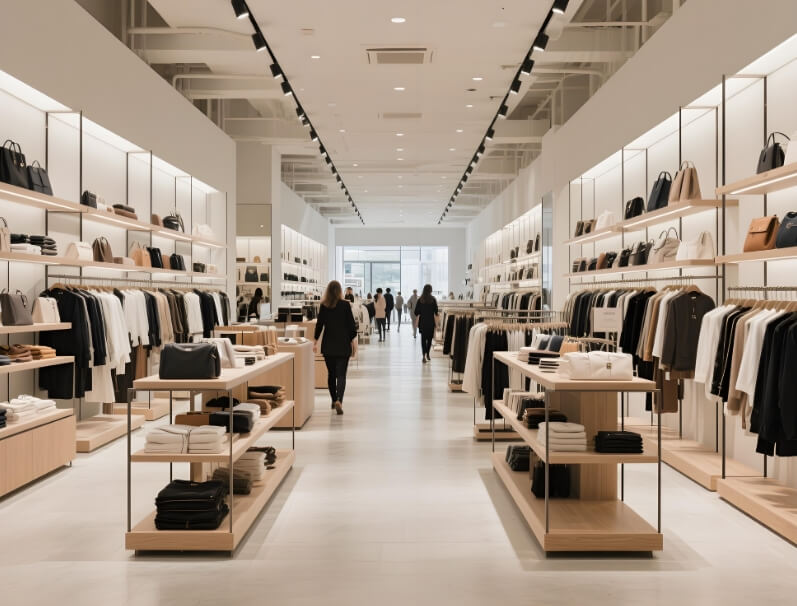
3.Load – Bearing Capacity and Material Considerations.
Load-Bearing Capacity and Material Considerations are critical factors to evaluate when purchasing store fixtures for your retail space. The choice of material not only affects the aesthetic appeal of your store but also determines the durability and functionality of the fixtures over time. Understanding these aspects ensures that your fixtures can effectively support the weight of your products while maintaining their structural integrity.
Metal fixtures, such as those made from steel or aluminum, are renowned for their strength and stability. Steel, in particular, is an excellent option for stores that need to display heavy items like electronics, appliances, or large books. Its robustness makes it a reliable choice for long-term use, even under significant weight. Aluminum, though slightly less strong than steel, offers a lightweight alternative without compromising too much on durability.
Both materials provide a modern and sleek appearance, which can enhance the overall look of your store. However, metal fixtures tend to be more expensive upfront, so budget considerations should be factored into the decision-making process.
Wooden fixtures, on the other hand, bring warmth and a natural aesthetic to any retail environment. They are particularly well-suited for stores selling products like clothing, home decor, or artisanal goods where a softer, more inviting atmosphere is desired. While wooden fixtures may not match the load-bearing capacity of metals, they are still capable of supporting moderate weights.
For example, shelves made from hardwoods such as oak or maple can handle heavier items like glassware or pottery. However, retailers must be mindful of potential issues like warping or cracking over time, especially in environments with fluctuating humidity levels. Regular maintenance, such as refinishing or sealing, may be necessary to preserve their appearance and strength.
Plastic fixtures represent a cost-effective and lightweight solution, ideal for displaying lighter items such as greeting cards, jewelry, or small accessories. These fixtures are often easy to install and reconfigure, making them a flexible option for businesses with frequently changing inventories. However, plastic fixtures may not be suitable for heavier products, as they could bend or break under excessive weight. Additionally, some types of plastic may become brittle or discolored over time, requiring periodic replacement to maintain a professional look.
When selecting fixtures, it’s important to consider not only the current weight of your products but also any potential changes in inventory in the future. Retailers often expand their product lines or introduce seasonal items that may differ significantly in size and weight. Choosing fixtures with adjustable shelving or modular components can provide greater flexibility to accommodate such changes.
Furthermore, regular maintenance plays a crucial role in extending the lifespan of your fixtures. Some materials, like wood or certain metals, may require more upkeep to prevent damage and ensure they continue to support your products safely.

4.Functional Diversity and Flexibility.
Functional Diversity and Flexibility is extremely important when buying store fixtures for your retail spaces. In today’s fast-paced and ever-changing retail environment, having versatile and adaptable fixtures can significantly enhance the efficiency and appeal of your store. One-size-fits-all solutions are no longer sufficient to meet the diverse needs of modern retailers. Instead, investing in fixtures that offer multiple functions and flexibility can provide numerous advantages.
For example, fixtures with adjustable shelves are highly beneficial because they allow you to modify the layout according to the varying heights and volumes of your products. This feature ensures optimal use of space and enables you to accommodate a wide range of items, from small accessories to larger merchandise.
Additionally, some fixtures come equipped with extra features such as hooks for hanging garments or other items, drawers for storing supplies or smaller products, and built-in lighting to highlight key products. These added functionalities not only improve the organization and presentation of your store but also create a more engaging shopping experience for customers.
Modular fixture systems represent another excellent investment for retailers. These systems consist of components that can be easily assembled, disassembled, and reconfigured as needed. As your business grows or evolves, or if your product range changes, modular fixtures allow you to adapt quickly without requiring a complete overhaul of your store layout.
This adaptability not only saves you money in the long run by reducing the need for frequent replacements but also helps maintain a fresh and appealing appearance for your store. Customers appreciate stores that feel updated and relevant, and flexible fixtures enable you to achieve this effortlessly.
Moreover, functional diversity and flexibility contribute to operational efficiency. For instance, during seasonal sales or promotional events, you may need to rearrange your store to accommodate special displays or high-demand products. With versatile fixtures, you can swiftly adjust the layout to maximize visibility and accessibility, ensuring that customers can easily find what they are looking for. This flexibility also allows you to experiment with different merchandising strategies, helping you identify the most effective ways to showcase your products and drive sales.
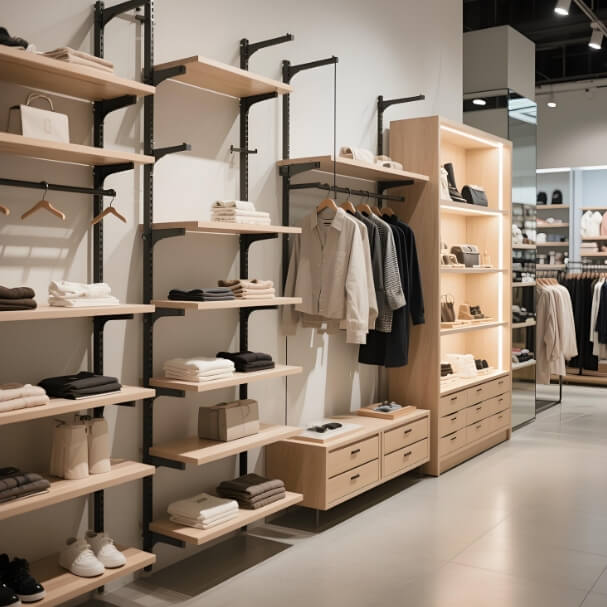
5.Cost – Effectiveness and After – Sales Service.
Cost-Effectiveness and After-Sales Service are crucial factors to consider when purchasing store fixtures for your retail spaces. While it might be tempting to opt for the cheapest available options, it is important to remember that quality often comes with a price tag. In the world of retail, where durability and reliability are key, focusing solely on the upfront cost can lead to unforeseen expenses down the line. Instead, retailers should evaluate the long-term value that fixtures bring to their business.
A more expensive fixture, though initially costly, may prove to be more cost-effective over time due to its durability and longevity. High-quality materials and craftsmanship reduce the likelihood of frequent replacements or repairs, which can save significant amounts of money in the long run.
For instance, investing in sturdy metal shelving units or durable wooden counters might seem like a higher initial expense compared to cheaper plastic alternatives. However, these premium fixtures are less likely to warp, crack, or degrade under heavy use, ensuring they remain functional and aesthetically pleasing for years.
In addition to cost-effectiveness, the after-sales service provided by the manufacturer plays a pivotal role in the overall value of your purchase. A reliable supplier will offer warranties that protect you against defects or malfunctions within a specified period. This gives retailers peace of mind, knowing that any issues arising from manufacturing faults can be resolved without additional costs.
Furthermore, inquire about the availability of spare parts. If a component of your fixture breaks or wears out, having access to replacement parts ensures minimal disruption to your operations. Suppliers who maintain an inventory of spare parts demonstrate a commitment to supporting their customers beyond the point of sale.
Good customer support is another critical aspect of after-sales service. Should you encounter any problems with your fixtures—whether it’s assembly difficulties, damage during transit, or wear and tear over time—responsive and knowledgeable customer service can make all the difference. Prompt assistance not only resolves issues efficiently but also strengthens the relationship between the retailer and the supplier.
It’s worth noting that some suppliers even offer installation services, maintenance plans, or design consultations as part of their package. These added services can further enhance the value of your investment.
When comparing prices from different suppliers, it is essential to avoid sacrificing quality and functionality for the sake of a lower price tag. While budget constraints are a reality for many businesses, cutting corners on store fixtures can negatively impact both the shopping experience and the overall success of your store.
Poorly constructed fixtures may break easily, look unappealing, or fail to effectively showcase your products. On the other hand, high-quality fixtures contribute to a professional and inviting atmosphere, encouraging customers to spend more time—and money—in your store.
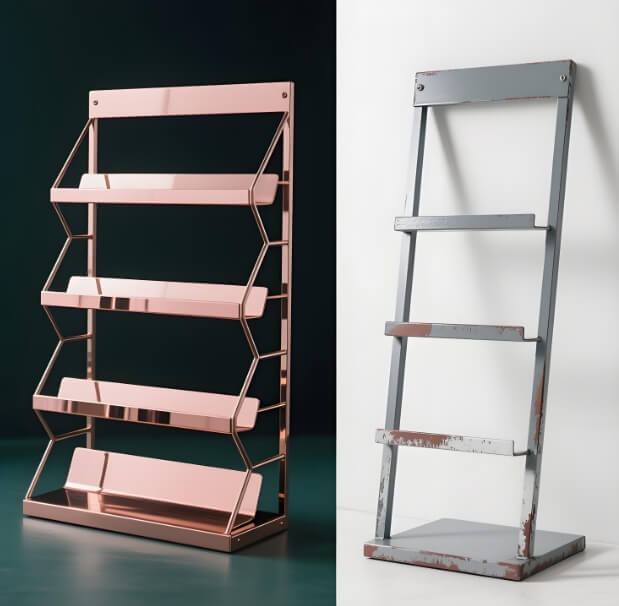
Ultimately, your store fixtures represent an investment in your business’s success. They play a vital role in shaping the customer experience, organizing your merchandise, and reflecting your brand identity. By carefully evaluating the cost-effectiveness and after-sales service of potential purchases, you can ensure that your fixtures not only meet your current needs but also adapt to future changes in your business. Whether you’re running a small boutique or a large retail chain, prioritizing quality and support will pay dividends in the long term.