
How to display bulky items in retail store?
Displaying large items in retail stores can be a challenge, but with the right strategy, you can effectively display these products to attract customers. Here are some suggestions to consider:
1.Create focal points within the store layout
To further enhance the display of bulky items, it is important to strategically create focal points within the store layout. These focal points serve as attention-grabbing elements that draw customers towards specific areas or products.
One effective way to create focal points is by utilizing large items that have visual appeal and represent the essence of your brand or product range. For instance, if you are a furniture retailer, placing a beautifully designed sofa set in a high-traffic area can instantly capture people’s attention and entice them to explore more.
Another approach is to position these bulky items in front of stores or near entrances. This placement not only maximizes their visibility but also creates an inviting atmosphere for potential customers passing by. By showcasing attractive merchandise at prominent locations, you increase the chances of attracting foot traffic and generating interest in your offerings.
Moreover, it is crucial to consider the overall aesthetics when creating these focal points. The chosen items should complement the surrounding environment and harmonize with other displays within the store. This cohesive arrangement will contribute to an appealing visual experience for shoppers and encourage them to spend more time exploring what your store has to offer.
In conclusion, incorporating well-placed focal points featuring bulky items can significantly enhance the overall store layout. By strategically positioning these eye-catching elements in high-traffic areas or near entrances, retailers can effectively attract customer attention and generate curiosity about their products or brand.

2.Use display units to show bulky items
To effectively showcase bulky items, it is essential to invest in display units or shelves that are specifically designed to support heavy or large products. These sturdy display units not only provide a safe and secure platform for showcasing the items but also enhance their visual appeal.
One option is to consider using pallets as display units. Pallets offer a versatile and cost-effective solution for displaying bulkier items such as furniture, appliances, or machinery. They can be easily customized by adding hooks, racks, or dividers to accommodate different types of products. Additionally, pallets can be stacked vertically to maximize floor space utilization.
Another alternative is utilizing crates as display units. Crates provide a rustic and charming aesthetic while offering durability and strength necessary for supporting heavier objects. They can be arranged in various configurations to create an eye-catching arrangement that highlights the unique features of each item.
For more industrial settings or stores with heavy-duty merchandise, investing in heavy-duty shelves is highly recommended. These shelves are specifically designed with reinforced materials and construction techniques to withstand substantial weight loads without compromising stability or safety.
Heavy-duty shelving systems often come with adjustable height options and additional accessories like brackets or hooks for added versatility.
When selecting display units, it’s important to consider the style of the product being showcased. The chosen displays should complement the overall aesthetic of the item while ensuring its visibility remains unobstructed from all angles. By carefully choosing appropriate display units tailored towards bulky items’ specific requirements, businesses can effectively attract customers’ attention and increase sales potential.

3.Group similar items
Grouping similar items in a retail store is an incredibly effective strategy for enhancing the overall shopping experience. By organizing bulky items into specific categories, customers can easily locate what they are looking for without feeling overwhelmed or frustrated. This not only saves their time but also allows them to make more informed purchasing decisions.
Moreover, grouping similar items together creates a visually appealing display that catches the attention of shoppers. It helps create a sense of order and coherence within the store, making it easier for customers to navigate through different sections and find exactly what they need.
This organized approach also enables retailers to showcase their products in a way that highlights their features and benefits effectively.
In addition, grouping similar items provides convenience for both customers and staff members. With clearly defined sections dedicated to specific product types, employees can quickly restock shelves and maintain inventory levels efficiently. Customers appreciate this level of organization as it ensures that popular items are always readily available.
Furthermore, by grouping bulky items together based on similarities such as size or function, retailers can optimize the use of space within their stores. This allows them to maximize floor space utilization while still providing ample room for customers to move around comfortably.
Overall, the practice of grouping similar items in retail stores offers numerous advantages ranging from improved customer satisfaction and ease of navigation to efficient inventory management and optimal use of space.
It is undoubtedly an essential aspect of creating a positive shopping environment that caters to the needs and preferences of consumers while driving sales success for retailers.
4.Take advantage of vertical space.
Utilizing vertical space in retail stores not only helps to display bulk items effectively but also maximizes the overall store layout. By incorporating high shelving units, retailers can create a visually appealing and organized shopping environment.
One of the key advantages of taking advantage of vertical space is that it allows for better product visibility. Placing items at eye level makes it easier for customers to locate and evaluate products without having to strain their necks or bend down. This convenience enhances the overall shopping experience and encourages customers to spend more time exploring different options.
Moreover, using high shelving units enables retailers to showcase a wider range of merchandise within limited floor space. With proper organization and categorization, these tall shelves provide ample room for displaying various products while keeping everything easily accessible.
This not only increases product variety but also creates an illusion of abundance, making the store appear well-stocked and enticing.
Additionally, by utilizing vertical space efficiently, retailers can keep their floor areas clean and clutter-free. Instead of spreading out bulky items across the sales floor or cramming them into lower shelves where they may obstruct customer movement, high shelving units offer a practical solution.
They allow retailers to neatly stack larger quantities of goods vertically without compromising on aesthetics or hindering customer flow.
In conclusion, capitalizing on vertical space through the use of high shelving units offers numerous benefits in retail stores. It improves product visibility, optimizes store layout by accommodating more merchandise within limited floor area while maintaining cleanliness and organization throughout the store environment.

5.Create a clear path.
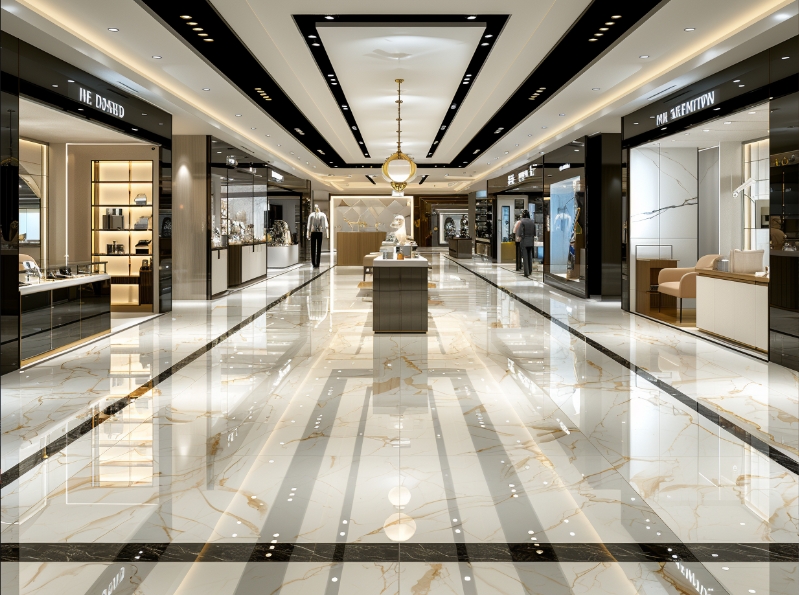
It is crucial to create a clear path in retail stores for displaying bulky items. This not only ensures that customers can easily navigate between these large items but also enhances their overall shopping experience.
By designing a layout that allows ample space for customers to move around without feeling crowded, retailers can promote a sense of comfort and convenience. A clear path enables shoppers to explore different sections of the store effortlessly, encouraging them to engage with various products and discover new items they may not have initially considered.
Moreover, a well-defined pathway helps in organizing the store’s inventory effectively. By strategically placing bulky items along this designated route, retailers can optimize visibility and accessibility for customers. This arrangement eliminates any potential confusion or frustration when trying to locate specific products within the store.
Additionally, a clear path contributes to an aesthetically pleasing environment by creating an open and spacious atmosphere. It allows natural light to flow through the store, making it more inviting and visually appealing. Customers are more likely to spend time browsing through merchandise when they feel comfortable and at ease in their surroundings.
In conclusion, establishing a clear path in retail stores is essential for displaying bulky items effectively. Not only does it facilitate easy navigation for customers but also encourages exploration and engagement with various products throughout the store.
Creating such pathways enhances both the functionality and aesthetics of retail spaces while providing an enjoyable shopping experience for all patrons.
6.Provide interactive presentations.
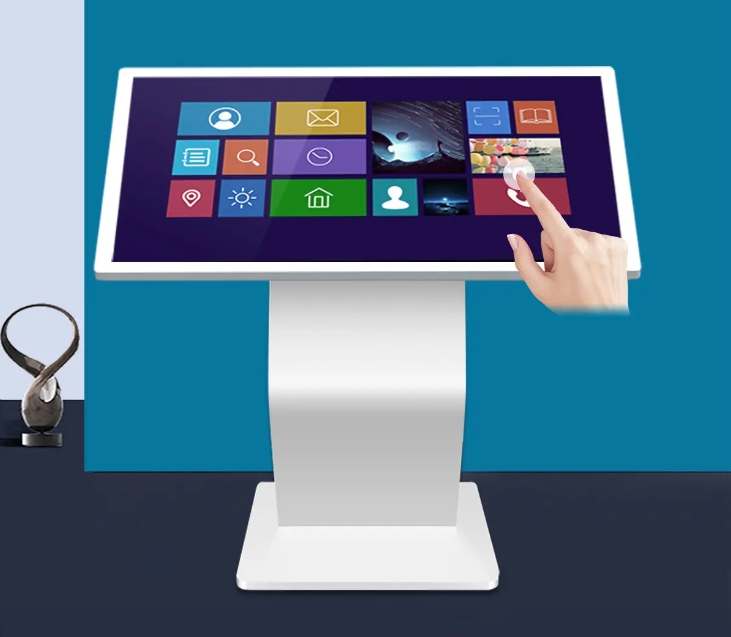
Providing interactive presentations in a retail store can greatly enhance the customer experience and increase sales. By incorporating technology such as touchscreens or virtual reality, customers can have a more immersive and engaging interaction with the products.
For instance, when showcasing electronic gadgets like smartphones or tablets, retailers could set up interactive displays where customers can test out different features and functionalities. This hands-on approach allows potential buyers to fully understand how the product works and make informed decisions.
Furthermore, creating interactive presentations for clothing items can also be beneficial. Retailers could install mirrors that double as screens, allowing customers to virtually try on different outfits without physically changing clothes. This not only saves time but also provides a fun and convenient shopping experience.
In addition to technology-driven interactions, retailers should consider setting up small demonstration areas within their stores. For example, if promoting kitchen appliances like blenders or coffee machines, having a designated space where customers can witness these products in action would be advantageous. They could see firsthand how easy it is to use them while enjoying live demonstrations by knowledgeable staff members.
Moreover, incorporating augmented reality (AR) into interactive presentations opens up endless possibilities for retail stores. Customers could use their smartphones or tablets to scan QR codes placed next to various products and instantly access additional information such as specifications or customer reviews.
This seamless integration of digital content enhances the overall shopping experience by providing shoppers with valuable insights before making a purchase decision.
7.Use lighting effectively.
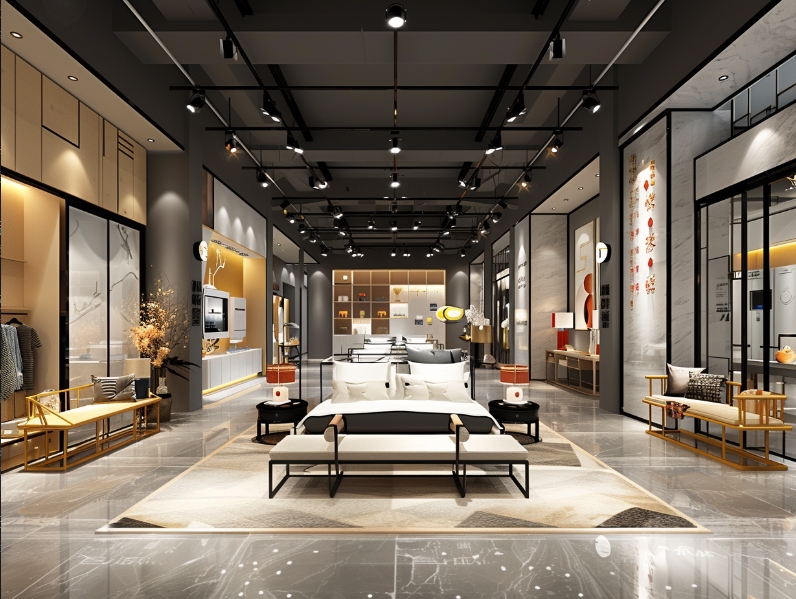
Effective lighting plays a crucial role in enhancing the visual appeal of bulky items in retail stores. By strategically highlighting these products with appropriate lighting techniques, retailers can attract customers’ attention and create an inviting atmosphere that encourages exploration and purchase.
In addition to spotlights or accent lighting, another effective way to display bulky items is through ambient lighting. Soft, diffused lights evenly distributed throughout the store can help create a warm and welcoming environment for shoppers. This type of lighting not only enhances the visibility of bulky items but also adds an overall sense of comfort and relaxation.
Furthermore, using adjustable or dimmable lights allows retailers to control the intensity and direction of light on specific products. By adjusting the brightness levels according to different times of day or promotional events, retailers can effectively highlight certain bulky items at various intervals. This dynamic approach keeps displays fresh and engaging for customers while ensuring that each product receives its fair share of attention.
Moreover, incorporating color-changing LED lights into retail displays can add a touch of excitement and versatility. These lights allow retailers to experiment with different hues that complement their brand image or seasonal themes. For example, during festive seasons like Christmas or Halloween, vibrant colors such as reds or oranges can be used to draw attention towards specific bulkier merchandise associated with those celebrations.
Lastly, it’s important for retailers to consider energy-efficient lighting options when displaying bulky items in their stores. Utilizing LED bulbs instead of traditional incandescent ones not only reduces electricity consumption but also provides long-lasting illumination without compromising on quality.
8.Provide informational signage.
In addition to providing informational signage for bulky items in a retail store, it is crucial to ensure that the signage is strategically placed throughout the store. By placing these signs at eye level and near the corresponding products, customers can easily locate and access important information about the large items.
Moreover, it is essential to use clear and concise language on the signage to effectively communicate product details. This includes providing accurate descriptions of features, specifications, and any additional benefits or advantages that set these bulky items apart from others. By doing so, customers can make informed decisions based on their specific needs and preferences.
Furthermore, pricing information should be prominently displayed on the signage. Clear visibility of prices allows customers to quickly assess whether a particular item fits within their budget or if there are any ongoing promotions or discounts available. This transparency helps build trust between retailers and customers while ensuring a seamless shopping experience.
Additionally, incorporating visual elements such as high-quality images or diagrams can enhance customer understanding of large items’ value. These visuals provide a clearer representation of how the product looks or functions in real life, making it easier for customers to visualize its potential uses or benefits.
Lastly, regularly updating promotional information on these signs ensures that customers are aware of any special offers related to bulky items. Whether it’s seasonal sales events or limited-time discounts, keeping this information up-to-date encourages customer engagement and increases the likelihood of purchase.
9.Use seasonal themes.
Incorporating seasonal themes in retail store displays not only adds visual appeal but also enhances the overall shopping experience for customers. By strategically placing large items within a context that aligns with current events, holidays, or promotions, retailers can create an immersive and thematic display that captures customers’ interest.
For instance, during the summer season, a retail store could showcase bulky outdoor furniture surrounded by vibrant floral arrangements and beach-themed props.
This setup would instantly transport shoppers to a sunny vacation spot and inspire them to envision their own outdoor oasis. Similarly, during winter holidays such as Christmas or New Year’s Eve, retailers can create captivating displays featuring oversized decorations like towering Christmas trees adorned with sparkling lights and ornaments.
Such festive setups evoke feelings of joy and excitement while encouraging customers to explore more holiday-related products.
Moreover, incorporating seasonal themes allows retailers to tap into consumers’ emotions and capitalize on their desire for novelty. By regularly updating displays according to different seasons or upcoming events like Valentine’s Day or Halloween, stores can keep their offerings fresh and relevant throughout the year.
This approach not only attracts new customers but also encourages repeat visits from existing ones who are eager to see what exciting changes have been made since their last visit.
In conclusion, utilizing seasonal themes in retail store displays is crucial when showcasing bulky items. Creating thematic setups related to current events or holidays helps capture customers’ interest while enhancing their shopping experience.
By immersing shoppers in visually appealing contexts aligned with specific seasons or celebrations throughout the year, retailers can effectively engage consumers and drive sales growth.

10. Consider accessibility.
In order to enhance the overall shopping experience, it is crucial to prioritize accessibility when displaying large items. By ensuring that these items are easily accessible and visible, customers can have a better opportunity to inspect them thoroughly before making a purchase decision.
To achieve this, store layout and design play a significant role. Placing larger items in well-lit areas with ample space allows customers to navigate around them comfortably and examine their features from different angles. Additionally, clear signage indicating the availability of staff assistance can further facilitate customer access and provide peace of mind.
Moreover, it is essential to strike a balance between accessibility and security. While it is important for customers to be able to physically interact with the products, measures should also be taken to protect them from potential damage or theft.
Implementing appropriate security measures such as surveillance cameras or anti-theft devices can help maintain the integrity of both the merchandise and customer satisfaction.
Furthermore, recognizing that some customers may require additional support during their shopping journey is vital for inclusivity. Providing trained staff members who are readily available not only ensures that any questions or concerns regarding large items can be addressed promptly but also creates an environment where all individuals feel valued and supported throughout their purchasing process.
By considering accessibility as an integral part of retail operations, businesses can foster positive customer experiences while simultaneously safeguarding valuable merchandise against potential harm or loss.

By implementing these strategies, you can increase the visibility and appeal of big-ticket items in retail stores, ultimately boosting sales and improving the shopping experience.