
How to display shoes in a retail store?
The key to displaying shoes in a store is to attract the customer’s attention and showcase the unique character and brand value of each shoe. Here are some creative ideas for presenting shoes:

1.Partition display
Partition display is indeed crucial when it comes to showcasing shoes in a retail store. It not only enhances the visual appeal of the store but also helps customers easily navigate through different styles and types of footwear. By implementing partition displays, retailers can effectively categorize their shoe inventory based on various factors such as style or use.
One effective way to partition displays is by organizing shoes according to seasonal categories. This allows customers to quickly locate and select footwear suitable for specific weather conditions or occasions throughout the year. For instance, during summer, sandals and flip-flops can be prominently displayed in one section, while winter boots and cozy slippers can be showcased in another section during colder months.
By utilizing partition displays based on seasonal categories, retailers create a seamless shopping experience for their customers. Shoppers no longer need to spend excessive time searching for appropriate footwear; instead, they can effortlessly browse through designated sections that cater specifically to their needs at any given time of the year.
Moreover, this type of display arrangement enables retailers to effectively manage their inventory by ensuring that each shoe category receives adequate attention and promotion during its respective season. It also allows them to plan ahead and prepare for upcoming trends or events associated with particular seasons.

2.Use display shelves and display fixtures
Display shelves and display fixtures not only enhance the visual appeal of the shoe display but also contribute to creating an organized and inviting shopping environment.
When it comes to shoe displays, incorporating well-designed shoe racks and display cabinets can greatly optimize space utilization while providing easy access for customers. Shoe racks with multiple tiers allow for efficient categorization based on different styles, sizes, or brands. This enables shoppers to browse through the options effortlessly, making their shopping experience more convenient and enjoyable.
In addition to traditional shelving units, hanging displays are another popular choice for showcasing shoes in retail stores. By suspending selected footwear from hooks or hangers attached to walls or ceiling-mounted rails, retailers can create eye-catching arrangements that maximize visibility and utilize vertical space efficiently. This approach is particularly effective when highlighting specific shoe designs or promoting seasonal collections.
To further enhance the overall aesthetic appeal of a shoe display, high and low matching techniques can be employed. Placing taller shelves at one end of the display area while using shorter ones at the other end creates an interesting visual contrast that adds depth and dimensionality to the presentation. This technique helps draw attention towards featured products while maintaining a balanced arrangement throughout the entire display.
By utilizing these various strategies such as incorporating display shelves, fixtures like hanging displays, as well as implementing high-low matching techniques in their store layout design, retailers can effectively showcase their range of shoes attractively while optimizing available space within their retail environment. Ultimately, this enhances customer engagement by providing them with an enjoyable shopping experience.

3.Focus on new and hot items.
By placing these new or popular shoes in a prominent location within the store, customers are immediately drawn to them upon entering.
The strategic placement of these items not only catches the attention of potential buyers but also creates an atmosphere of excitement and curiosity. When customers see fresh and trendy shoes displayed prominently, they are more likely to explore further and spend more time browsing through other products as well.
Moreover, featuring new and hot items in a visible area allows retailers to effectively communicate their brand’s commitment to staying up-to-date with fashion trends. It demonstrates that the store is constantly evolving its inventory to cater to customer preferences.
In addition, displaying new or popular shoes at eye level or near high-traffic areas can significantly increase their visibility. This ensures that even casual shoppers who may not have initially intended to purchase footwear will be enticed by these attractive displays.
Furthermore, regularly updating the showcased shoe collection helps create a sense of urgency among customers. They understand that if they don’t make a purchase soon, there is a possibility that those sought-after styles might no longer be available during their next visit.
Overall, focusing on new and hot items when displaying shoes in a retail store plays an essential role in attracting customers’ attention, increasing sales opportunities, enhancing brand image, and creating an engaging shopping experience for all visitors.

4.Lighting and background.
In a retail store, the lighting and background play a crucial role in showcasing shoes effectively. The appropriate lighting not only enhances the visibility of the products but also creates an inviting atmosphere for customers to explore and make their purchase decisions.
When it comes to shoe displays, proper lighting is essential as it highlights the details, colors, and textures of each pair. Bright lights can be used strategically to draw attention to specific areas or features of the shoes. On the other hand, softer ambient lighting can create a cozy ambiance that encourages customers to spend more time browsing through different styles.
Additionally, having a clean background is equally important for shoe displays in retail stores. A clutter-free backdrop allows the shoes to take center stage without any distractions. It provides a visually pleasing environment where customers can focus on evaluating various options based on their preferences and needs.
A clean background also helps maintain consistency throughout the display area. By using neutral colors or simple patterns as backdrops, retailers can ensure that all types of shoes stand out regardless of their design or color scheme. This uniformity enables shoppers to compare different styles side by side easily.
Moreover, an organized and well-maintained background reflects positively on the overall image of both the store and its merchandise. It conveys professionalism and attention to detail while creating an aesthetically pleasing shopping experience for customers.
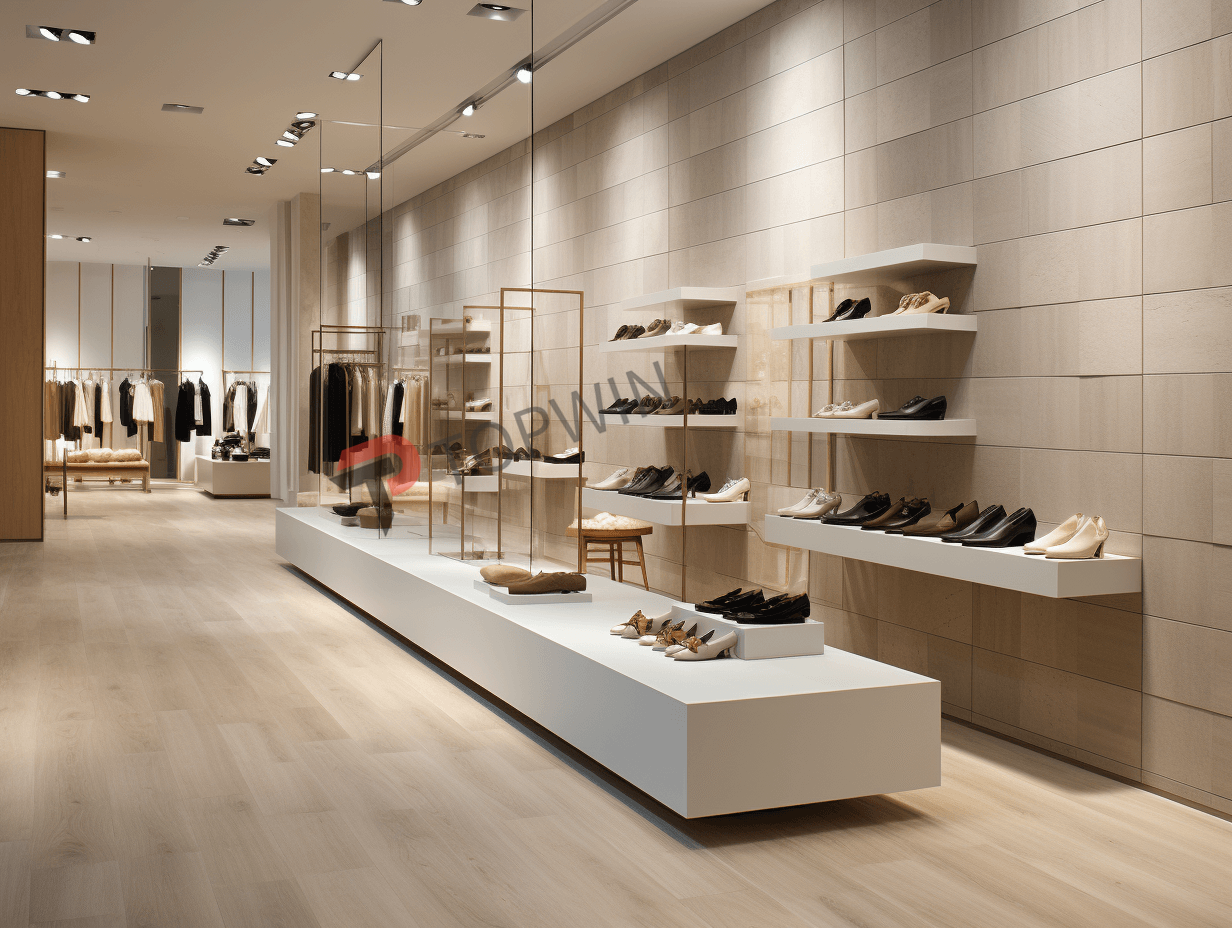
5.Create situational presentations.
Situational presentations not only enhance the visual appeal of the products but also play a significant role in attracting customers and driving sales.
One aspect to consider when creating situational presentations is the target audience. Understanding their preferences, needs, and demographics can help tailor the displays accordingly. For instance, if the target audience consists mainly of young adults, incorporating trendy and fashionable elements into the presentation would be more effective.
Furthermore, it’s essential to ensure that each shoe display tells a story or conveys a specific theme. This storytelling approach helps customers visualize themselves wearing those shoes in various scenarios or occasions. By presenting shoes within relatable contexts such as work attire, casual outings, or formal events, potential buyers are more likely to connect emotionally with the products.
In addition to aesthetics and themes, practicality should also be considered when designing situational presentations for shoe displays. Ensuring easy accessibility for customers by arranging shoes based on size or style categories can greatly improve their shopping experience. Additionally, providing comfortable seating areas nearby allows shoppers to try on different pairs without feeling rushed or uncomfortable.
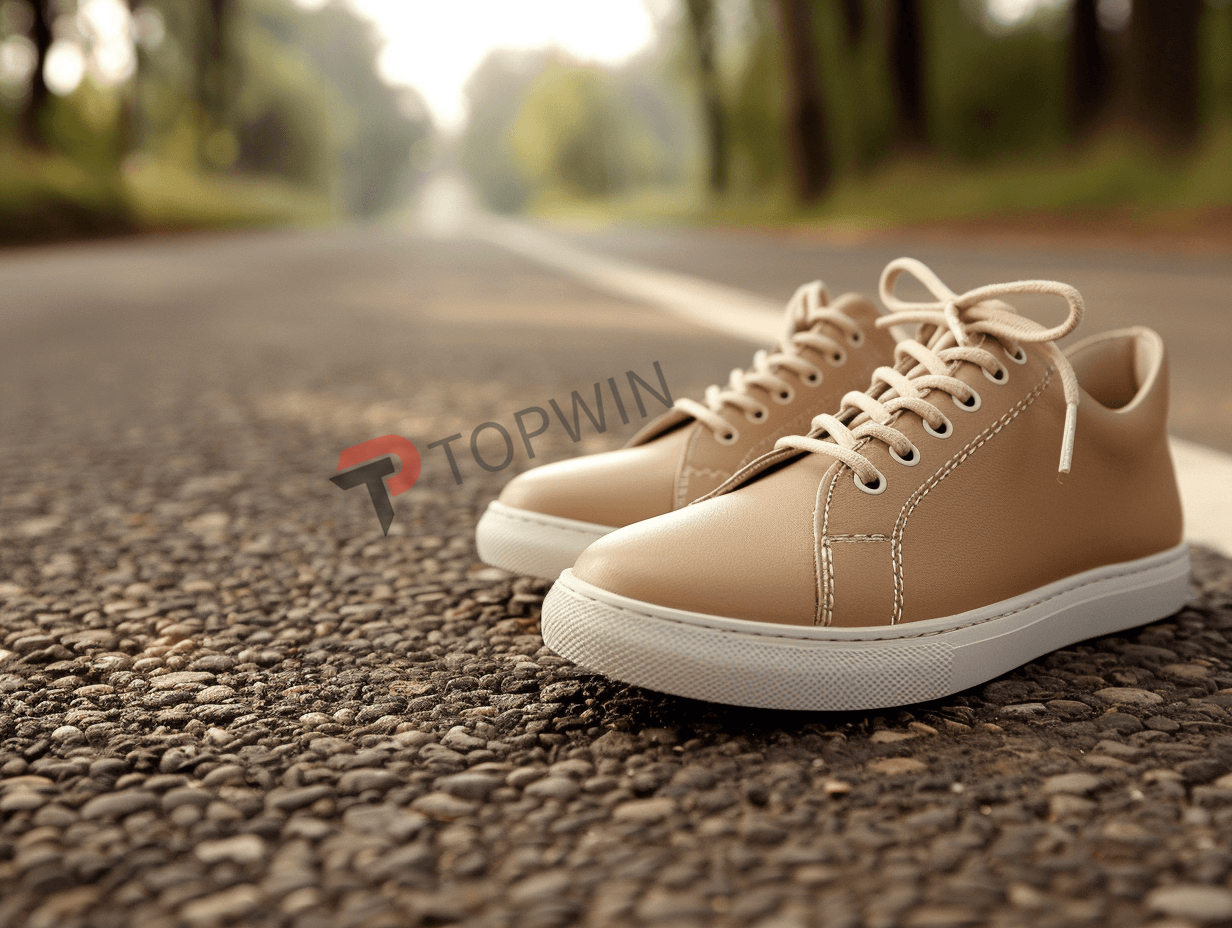
6.Use mirrors.
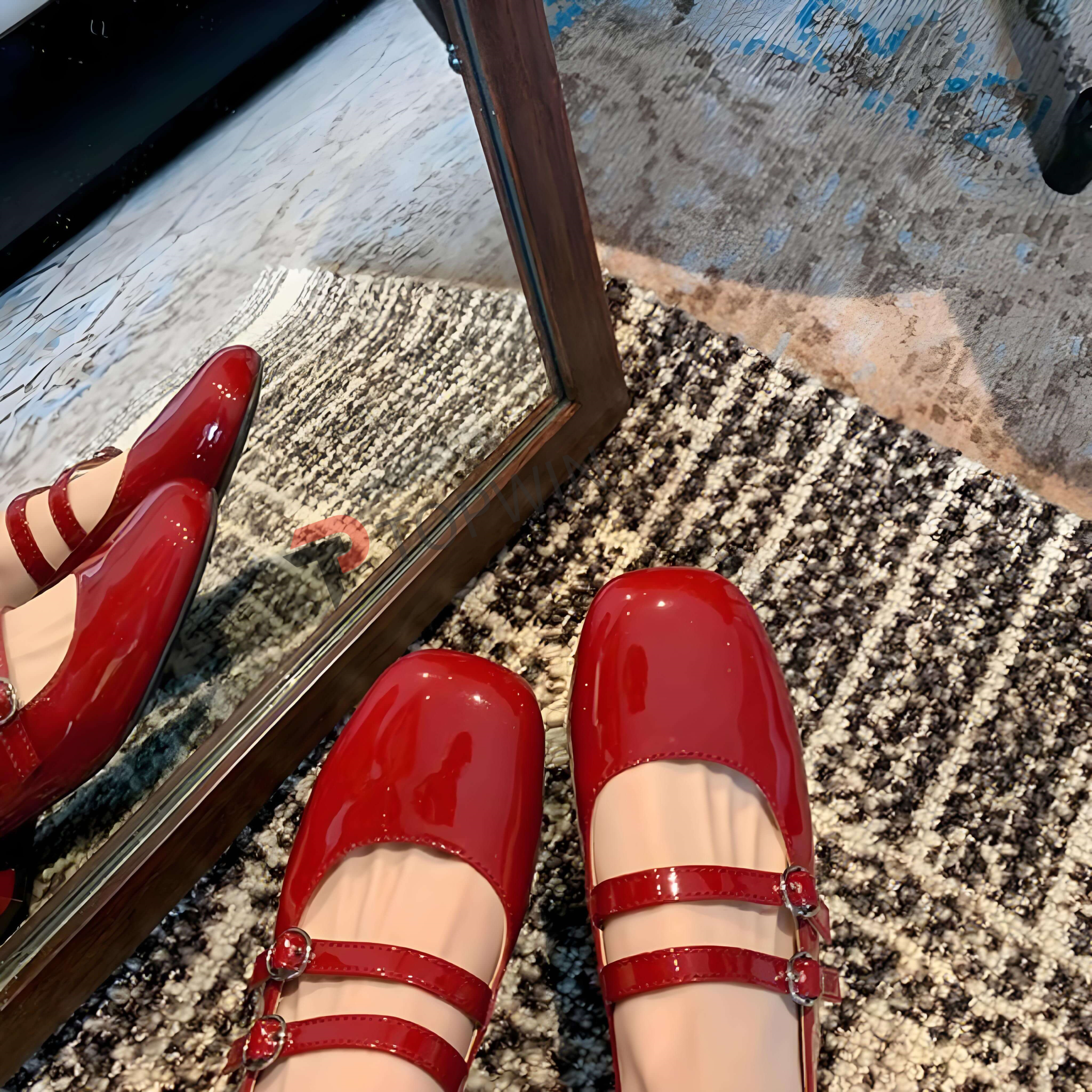
The utilization of mirrors holds paramount importance in the retail store for shoe display. Incorporating a full-length mirror enables customers to effortlessly try on shoes while simultaneously capturing the overall effect, thereby enhancing their shopping experience. Furthermore, mirrors in retail stores for shoe display also have a significant impact on the overall aesthetic appeal of the store. By strategically placing mirrors throughout the space, retailers can create an illusion of depth and dimension, making the store appear larger and more inviting to customers.
Moreover, mirrors play a crucial role in enhancing the visual merchandising efforts within a shoe store. They allow customers to see themselves from different angles while trying on shoes, helping them make informed decisions about their purchases. This not only improves customer satisfaction but also reduces returns or exchanges due to incorrect sizing or style choices.
Furthermore, mirrors serve as powerful marketing tools by reflecting and highlighting key product displays or promotional signage within the store. Retailers can strategically position mirrors near featured shoe collections or special offers to draw attention and entice customers towards specific areas of interest.
Additionally, incorporating full-length mirrors in shoe stores provides an opportunity for customers to assess how footwear complements their entire outfit. This allows them to experiment with different styles and combinations without having to rely solely on their own perception or seeking opinions from others.
The ability for shoppers to see themselves in a complete ensemble helps build confidence in their fashion choices and encourages them to explore new trends.
7.Keep it clean and up-to-date.
By regularly updating the display with new arrivals, trendy styles, or seasonal collections, retailers can create an enticing environment that captures the attention of potential buyers.
To keep the shoe display up-to-date, it is essential for retailers to stay informed about current fashion trends and customer preferences. This involves conducting market research, attending trade shows, and keeping track of industry publications to identify emerging styles or popular brands.
By incorporating these latest trends into their displays, retailers can demonstrate their commitment to offering fashionable choices to customers.
Moreover, organizing the shoe display area in an orderly manner not only enhances its visual appeal but also facilitates ease of browsing for shoppers. Retailers should ensure that shoes are neatly arranged according to size or style categories so that customers can easily find what they are looking for.
Additionally, providing clear signage or labels indicating different sections within the display area can further assist shoppers in navigating through various options effortlessly.
Regularly inspecting the cleanliness of shoes displayed is equally important as it reflects on both product quality and overall store image. Dusting off any dirt or debris from shoes helps maintain their pristine appearance while also preventing potential damage caused by accumulated grime over time. Furthermore, periodically checking for scuffs or scratches on footwear allows retailers to promptly address any issues before they become noticeable to customers.
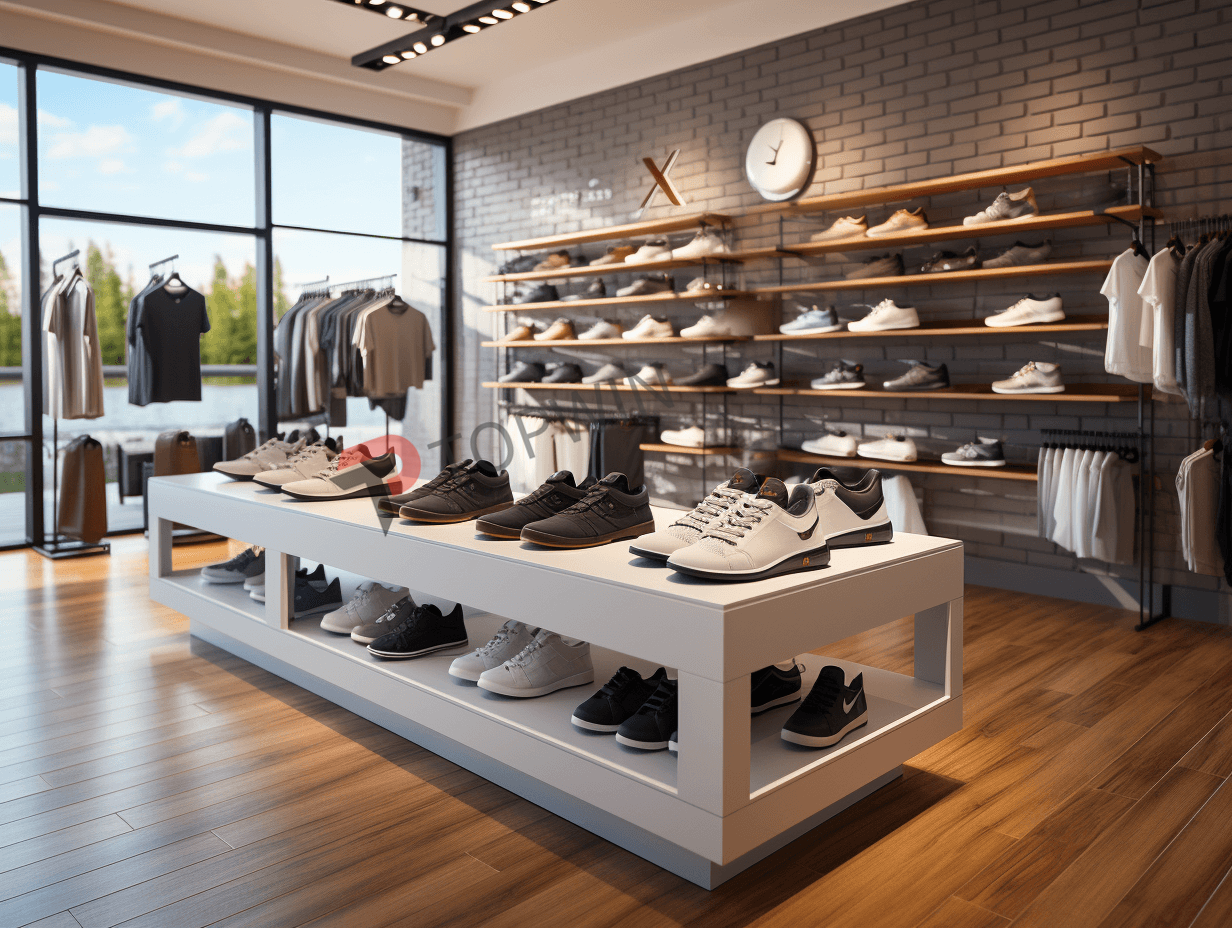
8.Interactive display.
In addition to the aforementioned interactive display ideas, there are several other ways in which an interactive shoe display can enhance the retail store experience.
One idea is to incorporate virtual reality technology into the shoe display area. Customers could put on VR headsets and virtually try on different shoes without physically putting them on. This would allow customers to see how different styles and colors look on their feet before making a purchase decision.
Another option is to create a digital foot scanning station within the shoe display area. This would enable customers to have their feet scanned for accurate measurements, ensuring they find the perfect fit. The data collected from these scans could then be used to recommend suitable shoe options based on individual foot size and shape.
Furthermore, implementing touch screen displays near each pair of shoes can provide customers with detailed information about materials used, manufacturing processes, and even customer reviews. This allows shoppers to make informed decisions by accessing all relevant product details at their fingertips.
To further engage customers, retailers could consider incorporating gamification elements into the interactive shoe display areas. For example, they could set up motion-sensing games that encourage customers to walk or run while wearing different pairs of shoes. These games not only add an element of fun but also help customers assess comfort and performance aspects of various footwear options.
Lastly, integrating social media features into the interactive displays can encourage shoppers to share their experiences with friends and followers online. By providing designated photo booths or selfie stations within the shoe display area, retailers can create opportunities for user-generated content that promotes both brand awareness and customer engagement.

By implementing these strategies, we can successfully capture the attention of potential customers and drive sales growth.