How to Display Books Effectively in a Store?
Creating an attractive book store involves more than just having a variety of books. The way the books are displayed plays a major role in attracting customers and creating a memorable shopping experience. Here are five effective strategies for displaying books in a retail store:

1.Categorize Books into Sections.
Organizing books into distinct sections is crucial for effectively displaying them in a store. A well-organized bookstore not only enhances the shopping experience but also encourages customers to spend more time browsing and potentially purchasing additional items.
First, it is important to establish clear and logical categories that cater to the diverse interests of your customers. Common categories include fiction, non-fiction, children’s books, travel guides, professional literature, self-help, cookbooks, biographies, and historical texts. Each category should be thoughtfully arranged based on sub-genres or themes. For example, within the fiction section, you might have further divisions such as mystery, romance, science fiction, and classics. Similarly, the non-fiction area could be subdivided into areas like history, science, business, and health.
To ensure that these categories are easily identifiable, use prominent signage throughout the store. Visible tags, hanging banners, and floor markers can all help guide customers through the aisles. Consider placing large, eye-catching signs at the entrance of each section, and use color coding to make navigation even simpler. For instance, you could assign a specific color to each category—blue for fiction, green for non-fiction, yellow for children’s books, etc.

2.Optimize the utilization of store fixtures.
Create Sections for Easy Access Using Display Racks.
Categorizing books and showcasing them on specific racks according to genre or theme helps customers find what they are looking for more easily. Use display racks to clearly divide areas such as bestsellers, children’s books, literature, and new releases. This organization not only enhances the shopping experience but also makes the bookstore appear more professional and organized.
Adjustable Display Fixtures for Flexibility.
Using adjustable racks, which allow for changes in height and angle, adds flexibility to your bookstore’s displays. This kind of rack can accommodate books of various sizes and shapes, making it possible to maximize shelf space while showcasing books in an attractive manner. For larger items like art books, tilt the racks at an angle, and for smaller paperbacks, arrange them vertically. This flexibility helps create a dynamic and functional layout.

Feature Highlight Racks to Attract Attention.
Place special display racks for bestsellers, new arrivals, or staff-picked books in highly visible areas such as near the entrance or checkout counter. Use standalone racks, rotating displays, or lightbox displays to make these books stand out visually. These highlight racks attract customers’ attention and increase the likelihood of impulse buys.
Utilize Wall Display for Visual Impact.
Wall display are an excellent way to maximize the use of space, especially in smaller bookstores. Install racks along the walls to showcase more books while maintaining a clean and organized look. This not only increases the display area but also creates a visually stunning effect, allowing books to be displayed in layers. Wall displays can also double as spaces for promotional material, book recommendations, or event announcements.

3.Creating Visual Layers with Books: Enhancing Aesthetic Appeal and Usability.
When arranging books on shelves, it is essential to consider the concept of visual hierarchy. This approach not only creates an organized and easily navigable space but also adds aesthetic value that can captivate the attention of visitors or customers.
To achieve this, start by placing taller books on higher shelves. This arrangement gives a sense of stability and balance to the overall display. Taller books can serve as anchor points, drawing the eye upward and creating a vertical rhythm. For example, you might place large coffee table books or oversized art volumes on the topmost shelves, where they can be admired from a distance.
Conversely, shorter books should be positioned on lower shelves. This makes them more accessible for browsing and ensures that smaller volumes are not overshadowed. You could arrange these books in groups, perhaps by genre or subject matter, making it easier for readers to find what they are looking for.
Varying the display by color, size, and arrangement is key to creating a visually dynamic and engaging shelf. Consider using color-blocking techniques, where books of similar colors are grouped together to create vibrant blocks of hues. This not only looks appealing but can also help in quickly locating specific titles. For instance, you might have a section dedicated to blue-spined books next to another featuring warm earth tones.
Additionally, mix up the orientation of the books. Some can be displayed vertically while others can be stacked horizontally. Horizontal stacks can act as dividers between different sections or themes, adding depth and texture to the arrangement. You might even incorporate decorative objects like small plants, bookends, or framed artwork to break up the monotony and add personal touches.

4.Emphasize Unique Covers and Illustrations.
Books that boast unique covers, captivating illustrations, or innovative designs deserve a prominent position in any bookstore. These books capture attention not only through their compelling content but also through their striking visual appeal. The combination of artistic design and literary merit makes these books stand out as true works of art.
To effectively showcase such books, consider dedicating special shelves or racks that highlight their distinctive features. For example, you could use angled displays to ensure the cover art is fully visible, or create dedicated sections for illustrated editions. This approach not only draws customers’ eyes but also enhances the overall aesthetic value of the store or library.
Moreover, unique book designs can serve as conversation starters. Customers are more likely to pick up a book that visually intrigues them, leading to increased engagement and potentially higher sales. Additionally, these eye-catching volumes can become signature pieces of your collection, setting your space apart from others.
Incorporating books with exceptional covers and illustrations into themed displays can further enhance their appeal. For instance, during the holiday season, featuring books with festive designs can create a seasonal ambiance. Similarly, showcasing books with nature-inspired illustrations in spring can complement the changing environment outside.
By prioritizing books with unique covers and illustrations, you not only provide a visually enriching experience for your patrons but also contribute to the cultural appreciation of book design as an art form.

5.Provide Interactive Spaces and Recommendations.
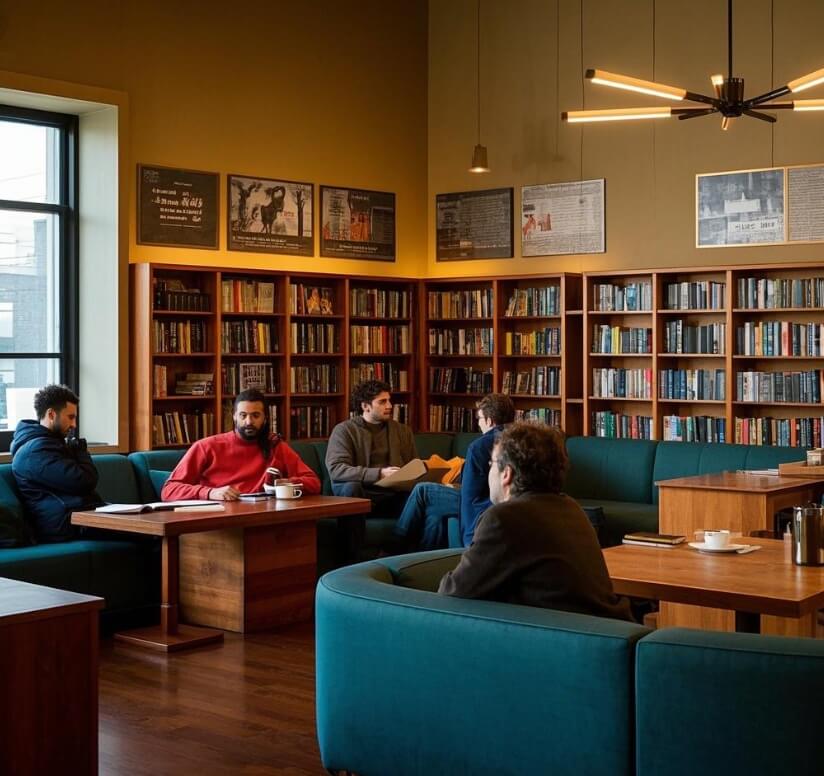
To create a more engaging and inviting environment for customers, it is essential to incorporate reading areas or interactive spaces within the store. These designated areas serve as comfortable spots where customers can sit down, relax, and browse through books at their leisure. By providing such spaces, you not only encourage customers to spend more time in the store but also enhance their overall shopping experience.
Imagine walking into a bookstore that offers cozy reading nooks with plush armchairs and soft lighting. Customers can immerse themselves in the world of literature, flipping through pages and discovering new stories. This atmosphere fosters a sense of relaxation and exploration, making the visit more enjoyable and memorable. Moreover, these interactive spaces can be designed to cater to different interests and age groups.
For example, a children’s section could feature colorful bean bags and low shelves filled with picture books, while an adult area might have elegant sofas and a selection of classic novels. Such thoughtful design ensures that every customer finds a space they feel comfortable in. In addition to creating these inviting spaces, staff recommendations play a crucial role in enhancing the customer experience.
Curated book lists prepared by knowledgeable staff members can guide customers towards hidden gems and bestsellers alike. These lists can be organized by themes such as “Best Summer Reads,” “Books That Became Movies,” or “Top Picks for Book Clubs.” Personalized suggestions from staff members further add value to the shopping experience.
When a customer receives a tailored recommendation based on their preferences, it creates a connection between the customer and the store. Staff can engage in conversations about favorite genres, authors, or topics, helping customers discover new titles they may not have considered otherwise.