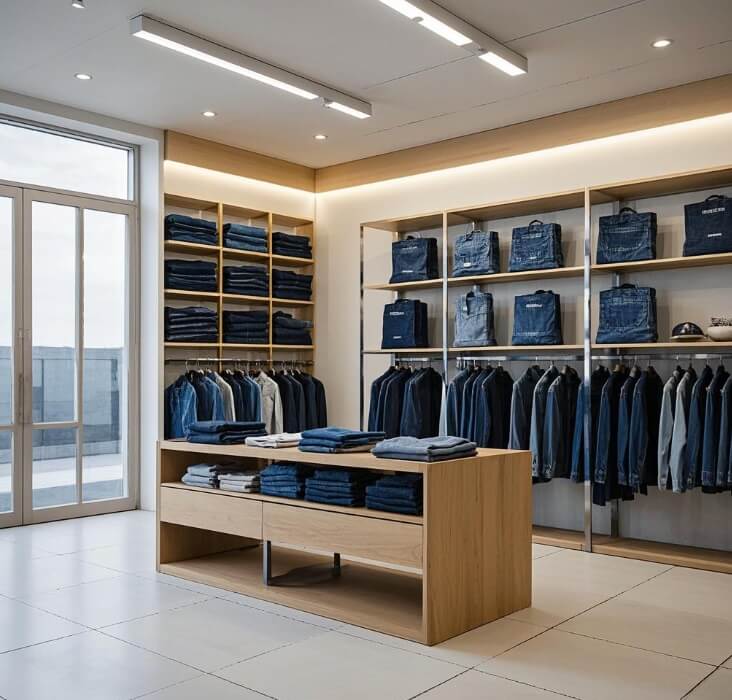
Six Key Steps to Open a Jeans Store
In the ever – trendy world of fashion, denim never fades. Starting a Jeans store can be a rewarding venture. Here are six crucial steps to get you on the right track.
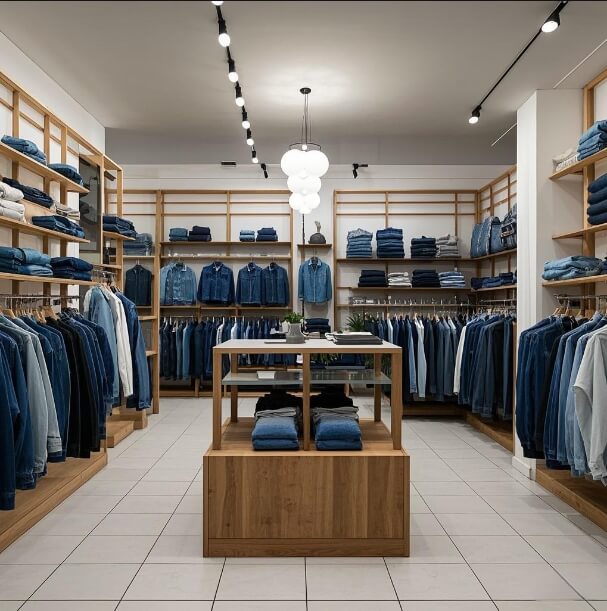
1.Define Your Niche is very important to open a denim store.
Defining your niche is a crucial step when planning to open a denim store. This foundational decision will guide nearly every aspect of your business strategy, from product sourcing to customer engagement. Before you even begin the process of setting up shop, it’s essential to clearly identify and understand your target customers.
Who are they? What do they value in denim products? Are you aiming to cater to high-end, designer-conscious individuals who prioritize quality, exclusivity, and cutting-edge fashion trends? Or are you targeting the broader mass market, offering affordable, versatile denim options that appeal to everyday consumers looking for practicality and comfort?
Understanding your niche goes beyond just choosing between luxury and affordability. It involves delving into specific demographics, such as age groups, gender preferences, geographic locations, and lifestyle choices. For example, if your focus is on high-end denim, you might consider stocking brands known for their craftsmanship, unique washes, and innovative cuts.
These products would likely appeal to urban professionals or fashion enthusiasts willing to invest in premium materials and exclusive designs. On the other hand, if affordability is your priority, you could emphasize durable, classic styles that suit a wide range of body types and occasions.
Once you’ve defined your niche, this clarity will significantly influence several key areas of your business:
– **Product Selection**: Knowing your audience allows you to curate a collection that meets their needs and desires. For instance, younger customers may prefer distressed jeans with bold patterns, while older clientele might lean toward sleek, minimalist silhouettes.
– **Pricing Strategy**: Your pricing model should align with the perceived value of your offerings. High-end stores often justify higher prices through brand reputation and superior quality, whereas budget-friendly retailers focus on competitive pricing and frequent promotion.

2.Optimize Store Layout with Display Racks.
A well-planned layout not only enhances the shopping experience for customers but also maximizes the use of available space, ultimately boosting sales.
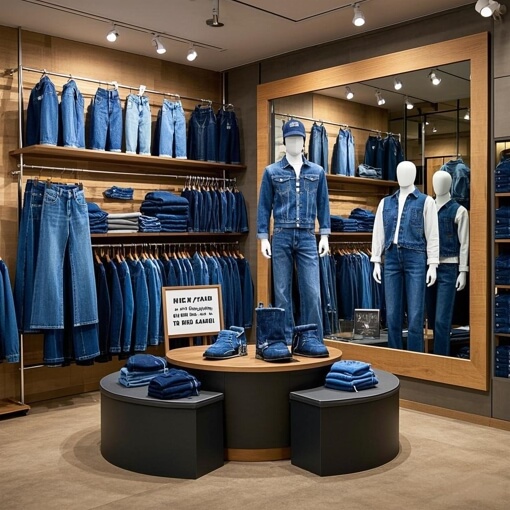
One effective strategy is to utilize wall-mounted display racks for showcasing denim jackets and jeans vertically. This vertical arrangement serves multiple purposes. First, it significantly saves floor space, which is especially beneficial for stores with limited square footage. Second, it allows customers to easily browse through a wide variety of styles and colors without feeling overwhelmed.
For example, by organizing the denim items by color or style (such as light wash, dark wash, or distressed), customers can quickly locate their preferences and compare options side by side. Additionally, placing mirrors near these wall-mounted racks can help customers visualize how the garments look on them, further enhancing their decision-making process.
Another important element in optimizing the store layout is the strategic placement of free-standing gondola. These freestanding gondolas are ideal for featuring special items, such as new arrivals, best-sellers, or exclusive collections. By positioning them in the center of the store, they naturally draw attention and create focal points that encourage customers to explore deeper into the store.
For instance, you could place a mid-island rack dedicated to premium denim jackets or limited-edition jeans, accompanied by eye-catching signage that highlights their unique features or benefits. This approach not only showcases your most attractive products but also creates an inviting atmosphere that motivates customers to spend more time in the store.
Furthermore, consider incorporating additional elements into your store layout to enhance the overall shopping experience. For example, adding comfortable seating areas or charging stations can make the visit more convenient and enjoyable, encouraging them to stay longer and explore more items.
3.Source Quality Products.
Opening a successful denim store hinges significantly on the quality of products you offer. The foundation of your business will be built upon strong relationships with reliable denim manufacturers or wholesalers who can consistently provide high-quality goods. It is crucial to establish connections with suppliers that not only meet your standards but also align with the preferences and needs of your target market.
When selecting suppliers, consider those who offer a diverse range of options in terms of styles, sizes, and colors. This variety ensures that your store caters to a broad customer base, including different body types, fashion tastes, and personal preferences.
For instance, some customers may prefer classic straight-leg jeans, while others might be more inclined toward trendy wide-leg or slim-fit designs. Additionally, offering an inclusive size range—from petite to plus sizes—can enhance customer satisfaction and loyalty.
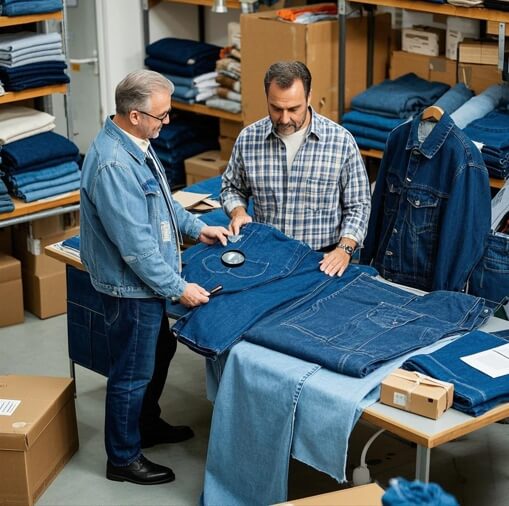
Quality should always remain your top priority. Denim is a fabric that is expected to endure regular wear and washing without losing its shape or color. Therefore, it is advisable to request and thoroughly test samples before committing to large orders.
Pay attention to factors such as fabric thickness, stitching quality, and dye retention. Comfort is another critical aspect; even the most stylish jeans will not sell well if they do not feel good on the wearer. By ensuring that your denim products are both durable and comfortable, you build trust with your customers, encouraging repeat purchases and positive word-of-mouth referrals.
Moreover, understanding the origins of your denim can add value to your brand. Many modern consumers appreciate transparency regarding production processes and sustainability practices.
If possible, choose suppliers who prioritize eco-friendly materials and ethical manufacturing methods. Highlighting these aspects in your marketing strategy can attract environmentally conscious shoppers and differentiate your denim store from competitors.
4.Set Competitive Pricing.
The priceing directly impacts your ability to attract customers and maintain profitability. To establish the right pricing strategy, thorough market research is essential. This involves analyzing current trends in the denim industry, understanding customer preferences, and identifying the price points that similar stores are offering.
When determining your price range, consider several key factors. Production costs should be carefully evaluated, including expenses related to fabric quality, manufacturing processes, and labor. High-quality materials or unique designs may justify higher prices, while simpler styles can be priced more affordably. Additionally, take into account the brand value you aim to build.
If your store focuses on premium, high-end denim with distinctive features such as handcrafted details or sustainable practices, this can support a higher price point. On the other hand, if your goal is to appeal to budget-conscious shoppers, offering affordable basics could be an effective strategy.
It’s also important to study competitor prices. Look at both local and online competitors to understand their pricing structures. Are they focusing on luxury items or catering to a more price-sensitive audience? By positioning your prices strategically relative to theirs, you can differentiate your offerings and capture a segment of the market that might not be fully served by existing options.
To broaden your customer base, consider implementing a multi-tier pricing model. For instance, you could offer a selection of budget-friendly basic jeans alongside more exclusive, premium pieces.
The former would appeal to customers looking for everyday wear at reasonable prices, while the latter could attract those seeking unique, statement-making items. Providing this variety ensures that your store caters to different income levels and shopping priorities, increasing the likelihood of attracting repeat business.

5.Hire Knowledgeable Staff.
Your employees play a significant role in shaping the customer experience and driving the success of your business. Ideally, your team should consist of denim enthusiasts who possess a genuine passion for the product they are selling. This enthusiasm is contagious and can greatly enhance customer interactions.
To ensure that your staff can effectively assist customers, they need to have an in-depth understanding of various aspects of denim. For instance, they should be well-versed in different fits such as skinny, straight, boot cut, and relaxed fits, each catering to distinct body types and personal preferences. Additionally, they must comprehend the nuances of washes, ranging from light to dark shades, and how these affect the overall look and feel of the garment.
Knowledge of styling options is equally important; employees should be able to recommend complementary pieces or accessories that elevate a denim outfit, whether it’s pairing jeans with the right shoes or suggesting tops that flatter specific silhouettes.
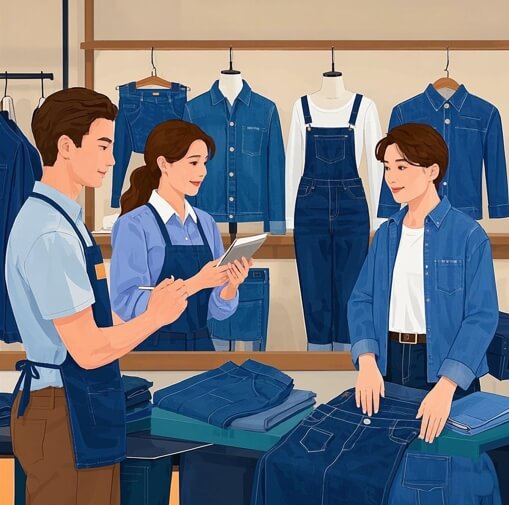
Well-trained staff members not only provide excellent customer service but also act as consultants who guide shoppers through their purchasing decisions. They can help customers identify the perfect denim items by considering factors like body shape, lifestyle, and fashion trends. Furthermore, knowledgeable employees contribute to enhancing the overall shopping experience by creating a welcoming atmosphere where customers feel confident about their choices.
By investing in thorough training programs and fostering a culture of continuous learning, you empower your team to deliver exceptional service that keeps customers coming back for more.
6.Promote Your Store.
Promoting your store helps attract customers and establish your brand in the competitive fashion market. To effectively promote your store, you can leverage the power of social media platforms such as Instagram and Facebook.
These platforms offer an excellent opportunity to showcase your products through high-quality images and videos that highlight the unique features and styles of your denim offerings. For instance, you could create visually appealing posts that demonstrate different ways to style jeans, jackets, and skirts, catering to various occasions and personal preferences.
Collaborating with fashion influencers can significantly enhance your promotional efforts. By partnering with influencers who have a strong following and engagement within the fashion community, you can reach a broader audience. Influencers can share their experiences with your products, provide styling tips, and even host giveaways to generate excitement and interest in your store. This collaboration not only boosts your brand’s visibility but also lends credibility through the influencer’s endorsement.
In addition to online promotion, organizing in-store events can create memorable experiences for your customers. Hosting denim-styling workshops, for example, allows customers to learn about the latest trends and techniques directly from experts.
Such events foster a sense of community and encourage customer loyalty by making them feel more connected to your brand. You might also consider offering exclusive discounts or limited-edition items during these events to further incentivize attendance and purchases.
Developing a strong marketing strategy is essential to driving foot traffic to your store and increasing brand awareness. This strategy should integrate both digital and physical promotional tactics, ensuring consistency across all channels. By focusing on creative content, strategic partnerships, and engaging customer experience, you can attract diverse audiences.