
Maximizing Retail Efficiency Creative Dual-Sided Display Shelf Concepts for Optimal Merchandising
Maximizing Retail Efficiency: Creative Dual-Sided Display Shelf Concepts for Optimal Merchandising
In the competitive landscape of the retail industry, efficiently utilizing space, captivating customers, and driving sales are top priorities for every merchant. Dual-sided display shelves, with their innovative designs, offer a fresh approach to enhancing retail efficiency. Let’s explore the core concepts and application values of these creative shelving solutions from five key perspectives.

1.Efficient Utilization of Vertical and Horizontal Spaces to Optimize Store Layout.
In today’s cutthroat retail environment, optimizing store layout is not just a preference but a necessity for maximizing sales and customer satisfaction. Dual-sided display shelves stand out as a powerful tool for achieving this goal, leveraging both vertical and horizontal space to its fullest potential.
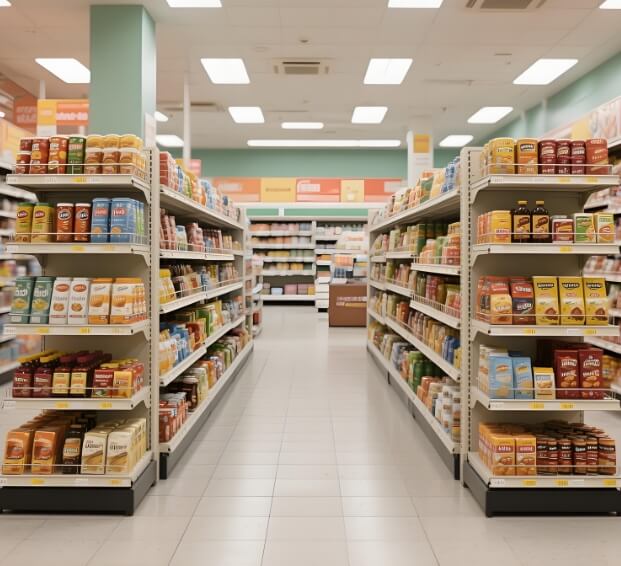
Vertically, these shelves are engineered to make the most of a store’s height. With multi-layer structures, they significantly expand the display area without increasing the store’s footprint. In small convenience stores, for example, multi-tiered vertical dual-sided shelves allow retailers to showcase a broader range of products. This not only caters to diverse customer needs but also enriches the shopping experience by providing more choices in a compact space.
Horizontally, dual-sided shelves offer a distinct edge over traditional single-sided designs. Unlike single-sided shelves that require wide aisles for one – sided access, dual-sided shelves can be placed closer together. This smart design reduces the amount of aisle space needed, enabling retailers to fit more shelves within the same store area. As a result, more products can be displayed, effectively maximizing the use of floor space.
Furthermore, strategic product placement on dual-sided shelves can further boost store performance. Retailers can segment the space based on product popularity and relevance, positioning high-demand items at eye level on both sides. For instance, frequently purchased snacks or beverages are ideally placed at this prime height, ensuring easy visibility and accessibility. This approach not only optimizes space utilization but also drives up sales conversion rates by highlighting popular products.
Beyond space efficiency, dual-sided shelves contribute to a more organized and visually appealing store layout. By carefully planning shelf and product placement, retailers can create a seamless shopping journey that naturally guides customers through the store, enhancing both functionality and customer appeal.
2.Multifunctional Modular Design for Flexible Adaptation to Diverse Scenarios.
The multifunctional modular design of dual-sided display shelves empowers merchants to customize their store layouts and product displays to meet specific requirements, whether it’s catering to different product categories or adapting to seasonal promotions.
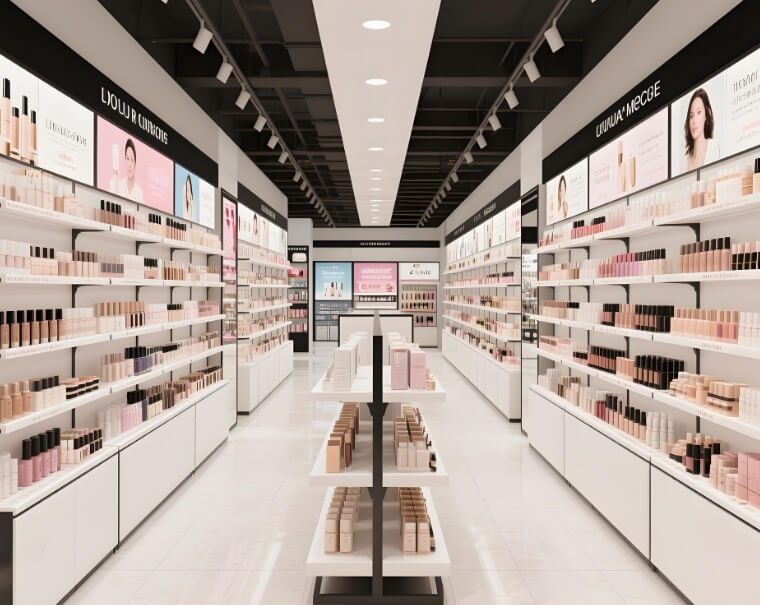
At the heart of this design is the versatility of modules, available in various specifications and shapes. Laminates for flat surfaces, hooks for hanging items, and drawers for concealed storage are just a few examples. Merchants can creatively combine these elements to optimize shelf structures for each product category. In the cosmetics section, for example, transparent display boxes with integrated mirrors can be incorporated. This setup not only enhances product visibility but also allows customers to conveniently try out items before purchase.
In the snack aisle, inclined laminate modules can be used to ensure all products are clearly visible at a glance. This design choice attracts customer attention and encourages impulse buying by facilitating easy browsing. The ability to adjust the angle and height of these modules further enhances flexibility, enabling retailers to experiment with different arrangements until they find the most effective configuration.
The modular design also enables quick and efficient updates to the store layout. In a market where consumer preferences and trends change rapidly, this feature is invaluable. Merchants can easily reconfigure shelves to accommodate new product lines, seasonal promotions, or limited-time offers without a significant investment in new fixtures. During holiday seasons, for instance, themed backdrops or additional lighting modules can be added to create a festive atmosphere and highlight relevant products.
Moreover, the modular system promotes sustainability. Instead of replacing entire shelving units, merchants can simply swap out or modify individual modules. This approach saves costs and reduces environmental impact, aligning with the growing consumer demand for eco-friendly practices.

3.Dynamic Interactive Display Technology to Enhance the Consumer Experience.
Dynamic interactive display technology is revolutionizing the retail experience by enhancing product visibility and significantly boosting customer engagement.
One of the key features of this technology is the integration of electronic screens directly into shelf surfaces. These screens can continuously play product usage tutorials, promotional videos, or detailed product information. In the electronics section, for example, customers can watch step-by-step guides on using a device or learn about its unique features without having to seek additional resources. This constant stream of information educates consumers and builds confidence in their purchasing decisions.
Induction devices installed within the shelves add another layer of interactivity. When a customer approaches, these devices can automatically trigger lighting changes, sound effects, or voice explanations. For example, when a customer nears a shelf displaying kitchen appliances, soft lighting may spotlight specific products while a pre-recorded voice details their functions and benefits. Such interactions create a personalized shopping experience that captures and holds customer attention.
Augmented reality (AR) is another exciting application of interactive display technology. Clothing retailers are increasingly equipping their dual-sided shelves with AR fitting mirrors, allowing customers to virtually try on clothes without physically changing. By selecting different garments on a digital interface, shoppers can see how outfits would look on them in real-time. This not only adds fun and novelty to the shopping experience but also reduces time spent in fitting rooms, potentially increasing purchase conversion rates.
Interactive displays can be customized for specific retail environments and target audiences. In children’s toy sections, animated characters on screens can engage young shoppers, making the shopping trip enjoyable for families. In cosmetic stores, virtual makeup applications enable customers to test different shades and styles before buying, ensuring they find the perfect match.
The integration of dynamic interactive display technology into dual-sided shelves represents a significant leap in retail design. By combining visual, auditory, and tactile elements, it creates a multi-sensory shopping experience that appeals to modern consumers, strengthening the connection between brands and their customers.
4.Ergonomic Layout Optimization to Improve Shopping Efficiency.
In retail design, optimizing shelf layout based on ergonomic principles is crucial for enhancing customer comfort and shopping efficiency. By considering human factors and physical capabilities, retailers can create store environments that are not only user-friendly but also encourage customers to spend more time browsing and purchasing.
Shelf height is a primary consideration in ergonomic layout optimization. Research indicates that the optimal height range for easy access is between 1.2 and 1.6 meters, which aligns with the natural reach of most adults. Placing frequently purchased items within this range ensures customers can quickly locate and retrieve products without straining or bending. Essential goods like snacks, beverages, and toiletries are often positioned at these heights, saving customers time and effort, and enhancing convenience.
Controlling shelf spacing is another critical aspect. Adequate space between shelves is essential to allow multiple customers to browse simultaneously without congestion or discomfort. Retailers must balance maximizing shelf density with ensuring sufficient room for movement. Narrower aisles may accommodate more shelving units, but overcrowding can lead to customer frustration and shorter visits. Wider aisles, on the other hand, provide a comfortable shopping environment where customers can leisurely examine products and interact with staff.
The design of picking angles should also conform to the natural curves of the human body. By positioning less frequently purchased items at lower or higher levels and reserving the mid-range for high-demand products, retailers can reduce awkward or strenuous movements. For example, heavier items like cleaning supplies can be placed closer to the ground for safe and easy retrieval, while lighter items such as spices can be located slightly above eye level without causing inconvenience.
Ergonomic considerations extend to visual clarity and organization as well. Clear signage, well-structured categories, and intuitive navigation cues contribute to a seamless shopping experience. Color-coded sections or digital displays can guide customers efficiently through the store, improving their ability to find products quickly and enhancing overall store traffic flow.
5.Application of Energy-Saving and Environmentally Friendly Materials to Balance Costs and Environmental Protection.
As global environmental awareness grows, the use of energy-saving and environmentally friendly materials has become increasingly important across industries, including retail store design. Incorporating sustainable materials into the production of dual-sided display shelves allows businesses to strike a balance between reducing their environmental impact and maintaining cost efficiency.
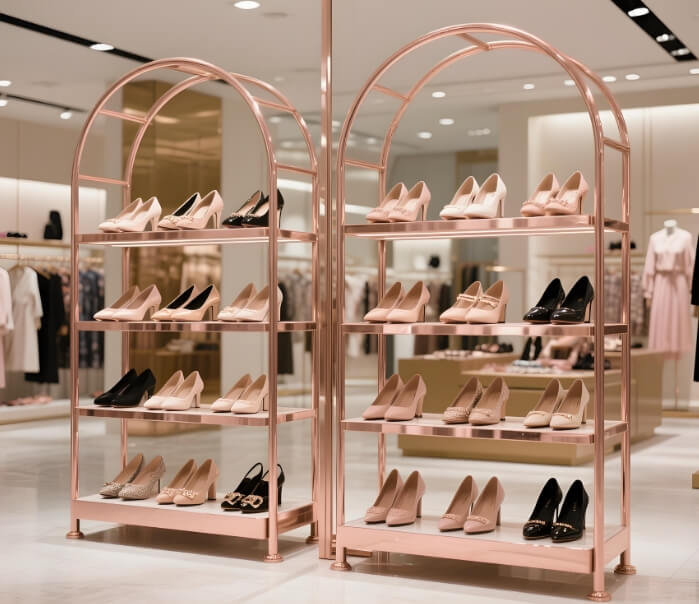
Environmentally friendly materials, such as recyclable metal, plastic, and bamboo, offer significant ecological benefits. Metal shelves made from recycled aluminum or steel reduce the demand for raw materials while providing superior durability. Recycled plastic components contribute to waste reduction without compromising structural integrity.
The durability of these materials reduces the frequency of replacements, resulting in lower operating costs for retailers. High-quality, long-lasting shelves mean fewer repairs and replacements over time, which not only benefits businesses financially but also supports sustainability by minimizing waste and conserving resources.
Modern materials used in shelf production often come with enhanced functional properties. Some plastics and composites have built-in antibacterial features, ensuring a cleaner and safer environment for product display, especially crucial in food retail or healthcare sectors. Fire-resistant materials also add an extra layer of safety, protecting merchandise and customers in emergencies.
Retailers that prioritize sustainable materials in their shelf designs often find that these choices resonate with environmentally conscious consumers. Studies show that customers are more likely to support brands that demonstrate a commitment to sustainability. By adopting green practices in shelf production, businesses can enhance their brand image and attract a broader customer base.
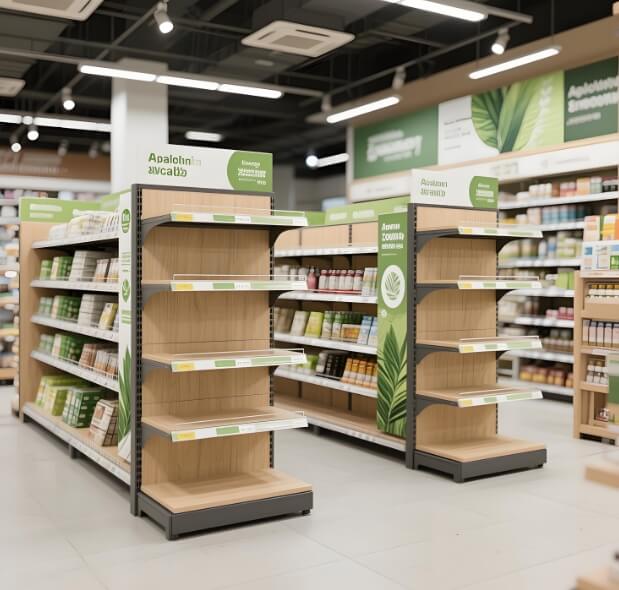
With their innovative designs across multiple aspects, dual-sided display shelves demonstrate immense potential in space utilization and customer experience. They are becoming a crucial tool for the retail industry to enhance efficiency and gain a competitive edge.