From Material to Style Unlocking the Exclusive Charm Created by Glass and Wooden Display Cabinets for Watch Stores
Entering a watch store, you’ll find that display cabinets are the unsung heroes that play a crucial role. Glass display cabinets sparkle like crystal time capsules, while wooden ones tell stories through their textured surfaces. These aren’t just displays—they’re the stages where timepieces truly shine. Let’s explore how they transform the store into a haven for horology enthusiasts.
1.Enhancing Product Style through Material Characteristics
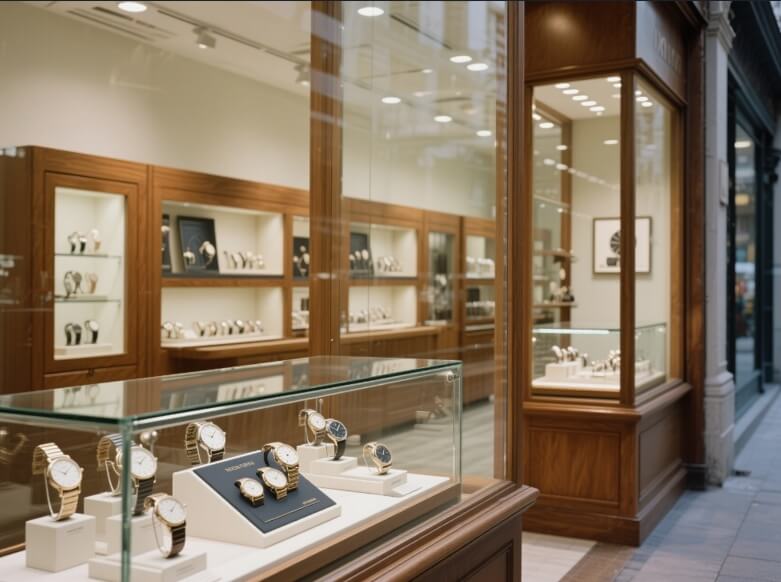
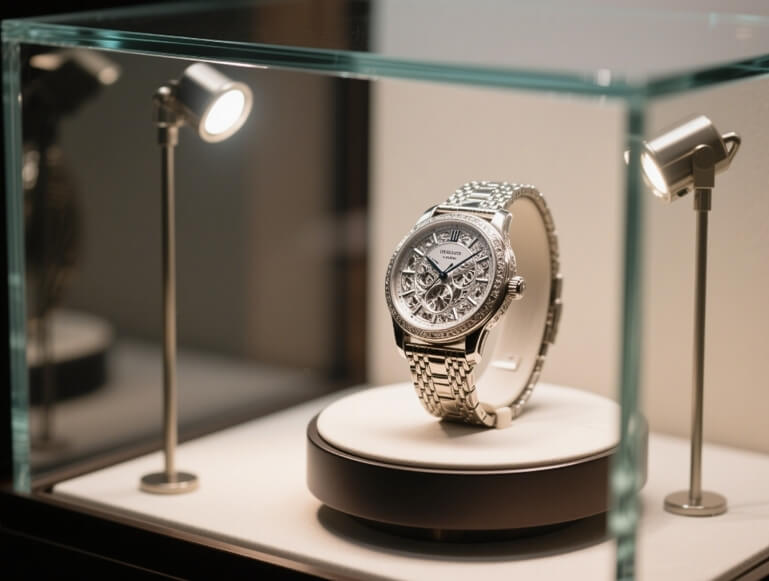
The choice of materials for display cabinets plays a pivotal role in enhancing the perceived style and quality of the products. Glass display cabinets, leveraging their transparency, offer customers an unobstructed 360-degree view of the intricate details of the watches. This allows potential buyers to closely examine the craftsmanship of the watch faces, such as the delicate engravings, precise hands, and sophisticated dials.
It also enables them to appreciate the materials used for the straps, whether it’s premium leather, durable metal, or innovative synthetic fabrics. By providing such visibility, glass display cabinets not only highlight the technical excellence of the watches but also evoke a sense of trust and transparency in the brand.
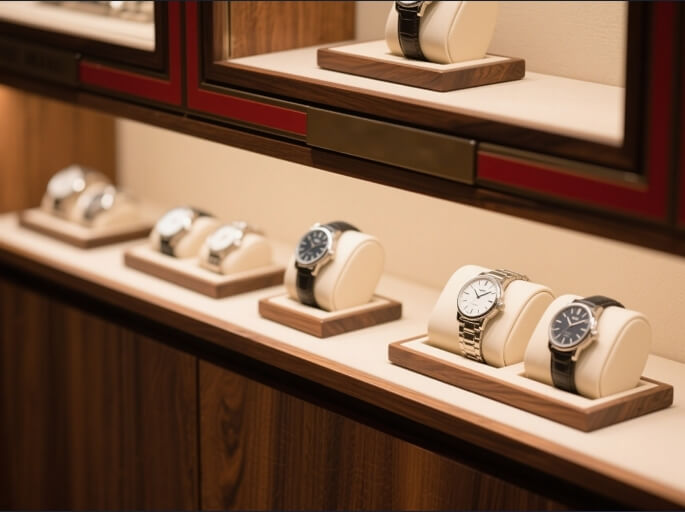
Wooden display cabinets, on the other hand, bring unique advantages that complement the luxury positioning of high-end watches. The natural textures of wood, with their distinctive grain patterns and warm tones, create an atmosphere of stability and depth. This material choice aligns perfectly with the sophisticated and exclusive image that many luxury brands strive to convey.
When placed in a boutique setting, wooden cabinets can evoke a sense of tradition and heritage, which resonates well with the historical craftsmanship often associated with fine watches. Moreover, the warmth of wood provides a pleasant contrast to the cold precision of metal components, striking a harmonious balance between functionality and aesthetics.
Both glass and wood enhance the style of the products by emphasizing different aspects of their appeal at a fundamental level. Glass focuses on clarity and accessibility, inviting customers to engage directly with the product details. Wood, meanwhile, emphasizes elegance and refinement, reinforcing the brand’s commitment to quality and luxury.
Together, these material choices create a comprehensive shopping experience that goes beyond mere display, transforming the act of viewing into an appreciation of artistry and design. This thoughtful integration of materials ensures that the products are not only effectively showcased but also contextualized within a narrative that resonates with the values and aspirations of the target audience.
2.Shaping the Store Atmosphere through Style Creation
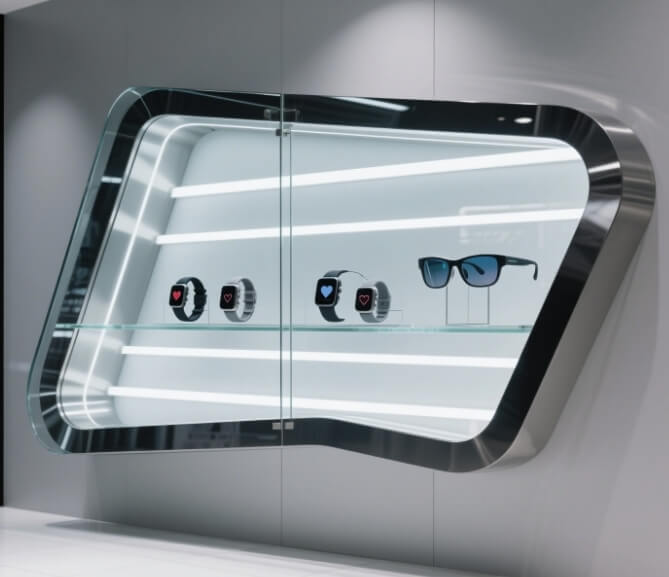
The design and material selection of display cabinets play a crucial part in shaping the overall atmosphere of the store and influencing how customers perceive the brand and its products. Glass display cabinets, when combined with metal elements, create a modern, sleek, and highly technological aesthetic that perfectly matches trendy and fashionable watches.
The transparency of glass allows for an unobstructed view of the watches, while the metallic accents add a touch of industrial sophistication. This combination appeals to consumers who value cutting-edge technology and contemporary design, making it ideal for showcasing watches with advanced features like smart functionalities, minimalist dials, or innovative materials such as carbon fiber or titanium.
Furthermore, integrating LED lighting into these glass and metal cabinets can further enhance the visual appeal, creating a futuristic ambiance that draws attention to the products. Such displays are often found in urban boutiques or flagship stores targeting younger, tech-savvy audiences who appreciate the fusion of functionality and aesthetics. By adopting this style, retailers not only highlight the watches but also reinforce their brand identity as forward-thinking and innovative.
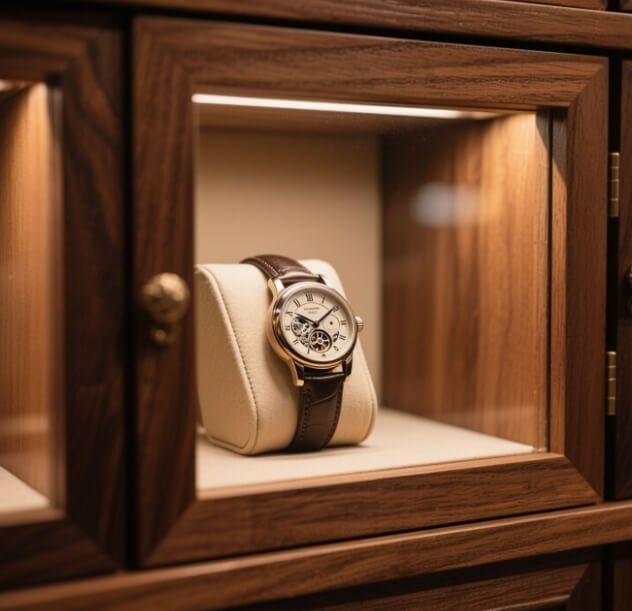
Wooden display cabinets, in contrast, offer a different yet equally compelling approach to store design. Through the use of various types of wood, such as oak, walnut, or mahogany, and meticulous craftsmanship, these cabinets can create a range of atmospheres, from retro and natural to European classical elegance.
For example, a cabinet crafted from dark-stained walnut wood can create a sense of timeless luxury, complementing classic watch series with intricate engravings or traditional mechanical movements. Lighter woods like pine or beech, meanwhile, can introduce a more casual, rustic charm, appealing to customers who prefer vintage-inspired designs.
The versatility of wooden cabinets lies in their ability to adapt to different themes and target audiences. A boutique specializing in vintage watches might choose cabinets with ornate carvings and polished finishes to recreate the opulence of 19th-century European salons. Conversely, a store focusing on eco-friendly or sustainable products could opt for untreated or reclaimed wood to emphasize authenticity and environmental consciousness.
In either case, wooden display cabinets significantly contribute to shaping a unique store atmosphere that resonates with the values and preferences of the intended customer base.
3.Enhancing the Display Effect through Functional Design
The effectiveness of a display cabinet in attracting customer attention and enhancing product presentation is greatly influenced by its functional design. Glass display cabinets often come equipped with advanced professional lighting systems that play a vital role in precisely illuminating the watches. These lighting systems are strategically placed to ensure that every detail of the watch, such as the intricate engravings on the dial, the polished finish of the bezel, or the texture of the strap, is highlighted with optimal clarity and brilliance.
By accentuating the luster and texture of the watches, these lighting systems not only enhance the visual appeal but also convey a sense of quality and craftsmanship that resonates with discerning customers.
In addition to lighting, glass display cabinets often incorporate features like adjustable shelves and rotating platforms, allowing retailers to showcase the watches from different angles and at various heights. This flexibility ensures that each piece is displayed to its best advantage, whether it’s a statement piece or part of a collection. Some glass cabinets also include anti-reflective coatings or UV protection to minimize glare and preserve the integrity of the watches over time. These thoughtful design elements contribute to an immersive shopping experience, encouraging customers to engage more deeply with the products.
Wooden display cabinets, on the other hand, offer a unique set of functional advantages that complement their aesthetic appeal. These cabinets can be designed with multi-layered structures and drawers, enabling retailers to organize the watches into categories based on type, brand, or price range. For example, a boutique might use separate layers to display men’s and women’s collections, while drawers could house exclusive or limited-edition pieces for private viewing. This classified display approach not only improves accessibility but also creates an element of exclusivity, as certain items can be reserved for special occasions or VIP customers.
Moreover, the structural design of wooden cabinets often includes features like lockable compartments or hidden storage areas, ensuring the security of high-value items while maintaining an elegant appearance. Such designs cater to both practical and aesthetic needs, striking a balance between functionality and style. The warmth and natural beauty of wood further enhance the overall ambiance, making the shopping experience more inviting and memorable.
By integrating thoughtful functional design elements, both glass and wooden display cabinets effectively elevate the presentation of watches, capturing the attention of potential buyers and reinforcing the brand’s image. Whether through precise lighting systems or innovative organizational solutions, these cabinets serve as essential tools for retailers aiming to create a compelling and engaging retail environment. Ultimately, the synergy between form and function in display cabinet design plays a critical role in enhancing the perceived value of the products and fostering a deeper connection with customers.
4.Achieving Complementary Advantages through Ingenious Matching
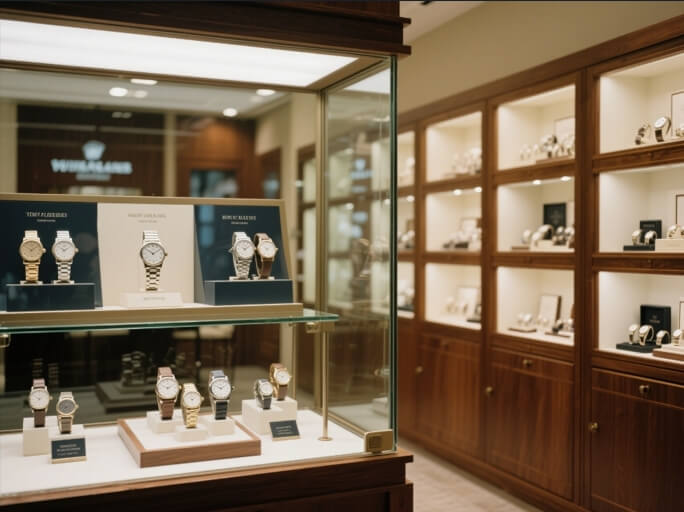
In a well-designed watch store, the strategic use of different types of display cabinets can significantly enhance the shopping experience by creating a harmonious blend of aesthetics and functionality. Glass display cabinets, with their transparent and modern design, are ideally suited for placement in the storefront windows and core display areas. These locations are typically reserved for showcasing main products and new arrivals, as the transparency of glass allows passersby and customers to immediately appreciate the intricate details and craftsmanship of the watches on display.
For example, a sleek smartwatch or a limited-edition timepiece can be highlighted under professional lighting systems within a glass cabinet, drawing the attention of both casual browsers and serious buyers.
Wooden display cabinets, on the other hand, bring a distinct warmth and elegance that is particularly effective in creating an inviting atmosphere. These cabinets are best utilized along the sides of the store or in designated negotiation areas where customers may spend more time exploring options or discussing purchases with sales associates. Wooden cabinets, often crafted from high-quality materials such as oak, walnut, or mahogany, provide an ideal setting for displaying classic styles and vintage collections.
The natural textures and rich tones of wood complement the timeless appeal of traditional watches, enhancing their perceived value and allure. For instance, a mechanical pocket watch or a heritage series wristwatch might be showcased in a wooden cabinet, evoking a sense of history and craftsmanship that resonates with discerning collectors.
The ingenious combination of glass and wooden display cabinets achieves more than just showcasing products; it creates a balanced and comfortable shopping environment that appeals to a wide range of customers. Glass cabinets emphasize modernity, innovation, and accessibility, while wooden cabinets highlight tradition, luxury, and exclusivity. Together, they form a cohesive narrative that reflects the brand’s identity and values. This complementary approach not only enhances the visual appeal of the store but also supports the functional needs of both browsing and purchasing activities.
For example, a customer entering the store might first be drawn to the striking displays in the glass cabinets near the entrance, sparking interest in the latest offerings. As they move deeper into the store, the wooden cabinets guide them toward a more intimate exploration of classic styles, fostering a connection between the product and its historical significance. This thoughtful progression encourages customers to engage with the brand on multiple levels, ultimately contributing to a memorable and satisfying shopping experience.
5.Enhancing Brand Charm through Detail Handling
The meticulous handling of details in display cabinets plays a crucial role in enhancing the perceived quality and charm of a brand. For glass display cabinets, the edge polishing is not merely a functional requirement but also an aesthetic consideration that reflects the store’s commitment to excellence. Smooth, polished edges on glass cabinets prevent potential injuries while ensuring that the cabinets maintain a sleek and refined appearance. This attention to detail communicates to customers that the brand values both safety and visual appeal, reinforcing trust and reliability.
Similarly, the paint finish of wooden display cabinets contributes significantly to the overall impression of quality and craftsmanship. High-quality finishes, such as lacquered or matte coatings, protect the wood from wear and tear while enhancing its natural beauty. The choice of finish can also align with the brand’s identity—whether it aims for a luxurious, high-end look or a more rustic, earthy feel.
For example, a premium watch brand might opt for a glossy lacquer to emphasize sophistication, whereas a lifestyle brand focusing on sustainability could choose a matte finish to highlight authenticity and eco-friendliness.
Beyond material-specific details, integrating brand logos and color elements into the design of display cabinets further strengthens brand recognition and creates a cohesive shopping experience. A strategically placed logo on a glass cabinet, for instance, serves as a constant reminder of the brand’s identity, even as customers focus on the products inside.
Similarly, incorporating the brand’s signature colors into the frame or trim of wooden cabinets ensures that the displays remain consistent with the store’s overall aesthetic. This integration of branding elements helps to establish a strong visual connection between the products and the brand itself.
Such thoughtful detail handling leaves a lasting impression on customers by showcasing the brand’s dedication to quality and consistency. When customers encounter these carefully crafted details repeatedly across different touchpoints within the store, they begin to associate the brand with attention to detail, professionalism, and a commitment to delivering an exceptional experience. This, in turn, fosters brand loyalty and encourages repeat visits, as customers are more likely to return to a store where they feel their expectations have been consistently exceeded.