How to be a profitable candy store boss?
Who doesn’t love candy? The bright colors, the sweet aroma, and the joy of indulging in a favorite treat make candy stores magical. But behind the sweetness lies a business that, when done right, can bring serious profits. Whether you’re starting out or looking to optimize your shop, running a successful candy store requires careful planning. Let’s dive into six key strategies to ensure your store becomes a delightful destination for customers and a lucrative venture for you.
1. Choosing the Right Location.
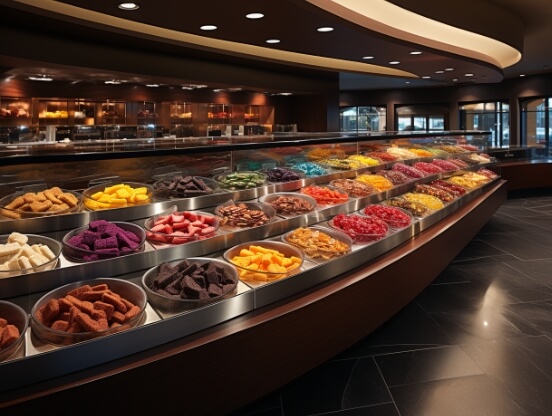
Selecting an optimal location is one of the most critical factors in establishing a thriving and profitable candy store. The importance of location cannot be overstated in the candy business, as it directly impacts foot traffic and sales potential. Ideally, your store should be situated in areas that attract a high volume of visitors, such as shopping malls, near schools, or popular tourist destinations.
For instance, setting up shop in a bustling shopping mall can expose your candy store to a diverse range of customers, including families, teenagers, and adults who are already out shopping and more likely to make impulse purchases.
Similarly, being located near schools can capitalize on the after-school rush, where children and parents alike may stop by for a sweet treat. Popular tourist spots also present an excellent opportunity, as they bring in a steady stream of visitors looking for souvenirs or local delicacies.
When scouting for potential locations, prioritize spaces that are easily accessible and visible to passersby. Avoid hidden or hard-to-find spots, as these can significantly hinder customer discovery and reduce the likelihood of impulse buys, which are a significant driver of candy sales. A well-chosen location not only makes it easier for customers to find you but also increases the chances that they will remember your store for future visits.
Moreover, consider the surrounding environment and demographics. Areas with a high concentration of families, young people, and tourists tend to have a higher demand for sweets and confections. Additionally, proximity to other complementary businesses, such as cafes or toy stores, can create a synergistic effect, drawing even more foot traffic to your location.

2. Creating a Welcoming Storefront.
Creating a Welcoming Storefront is absolutely essential for establishing a successful and profitable candy store. The storefront serves as the very first interaction customers have with your business, setting the tone for their entire shopping experience. A well-designed and inviting storefront can significantly influence potential customers to step inside and explore what you have to offer.
First impressions matter greatly in retail, especially when it comes to a candy store where the atmosphere should exude joy and excitement. Bright colors are key in creating an appealing environment. For instance, vibrant hues like reds, pinks, yellows, and oranges can evoke feelings of happiness and energy. These colors not only catch the eye from a distance but also create an inviting ambiance that appeals to both children and adults alike.
Playful designs further enhance the charm of your candy store. Consider incorporating whimsical elements such as oversized lollipops, cartoon characters, or even a life-sized gingerbread house at the entrance. Such features make the storefront more memorable and engaging for passersby.
They also provide excellent photo opportunities, encouraging visitors to share their experiences on social media, which can lead to free advertising for your store. Enticing window displays filled with an assortment of candies are crucial in drawing people in. Arrange the candies in creative patterns or shapes, perhaps forming a heart or spelling out words like “SWEET” or “TREAT.” Use clear jars or containers to showcase different types of candies, allowing customers to see the variety available. This visual feast can stimulate curiosity and appetite, making it harder for potential customers to resist stepping inside.
3. Designing an Engaging Interior.
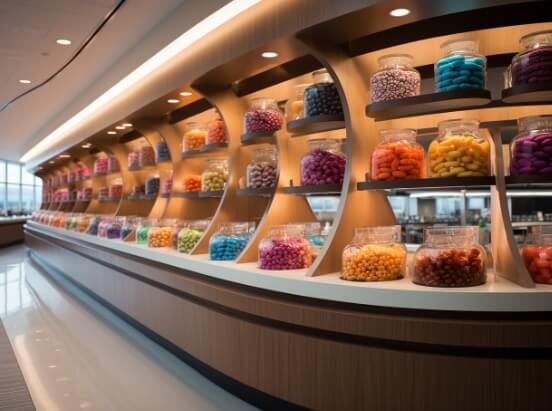
The interior design plays a significant role in attracting and retaining customers, ultimately boosting sales. Inside the store, the layout should be carefully planned to spark curiosity and encourage exploration. A well-thought-out layout can transform a simple shopping experience into an adventure.
Wide aisles are essential for ensuring that customers can move comfortably throughout the store. Narrow aisles can feel cramped and discourage browsing, while wide aisles allow customers to explore freely without feeling rushed. Additionally, clear signage is vital for helping customers locate their favorite treats easily. Well-placed signs with colorful graphics and easy-to-read fonts can guide customers through different sections of the store, such as chocolate, gummies, or seasonal specials. An appealing interior design can significantly influence customer behavior.
When customers feel comfortable and entertained, they are more likely to linger in the store. This extended time spent inside increases the chances of impulse purchases and larger basket sizes. Moreover, a visually appealing store can become a popular spot for social media posts, generating free advertising through customer-generated content.
4. Optimizing Display Fixtures.
When setting up a candy store, it is essential to consider the design and arrangement of display fixtures carefully.
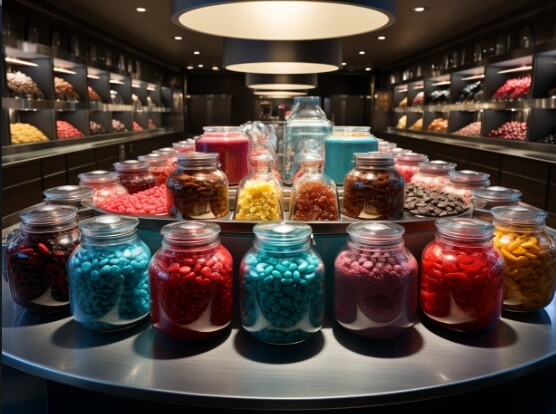
Firstly, well-designed display fixtures can create an inviting atmosphere that draws potential customers into the store. Brightly colored and creatively arranged displays can catch the eye of passersby, making them more likely to stop and explore. For example, using tiered shelving or hanging displays can add visual interest and make the candies appear more appealing.
Secondly, display fixtures help organize the products in a way that makes it easy for customers to browse and find what they are looking for. Grouping candies by flavor, type, or occasion can simplify the shopping process and encourage impulse purchases. Additionally, having clear signage and labels on the displays can provide useful information to customers, such as ingredients or nutritional details.
Moreover, display fixtures can also contribute to the overall theme or concept of the candy store. If the store has a specific style, such as vintage or modern, the fixtures should complement that aesthetic. This consistency in design can create a memorable and cohesive shopping environment that resonates with customers.
Lastly, investing in high-quality and durable display fixtures is important for long-term success. Well-constructed fixtures not only last longer but also project a sense of professionalism and reliability. Regular maintenance and occasional updates to the displays can keep the store looking fresh and appealing over time.
5. Focusing on Product Presentation.
The way products are presented can significantly influence customers’ purchasing decisions and their overall experience in the store.
Packaging matters! Whether you’re selling loose candy or prepackaged items, it is essential to ensure that everything looks clean, fresh, and tempting. For loose candies, use clear jars or containers so that customers can easily see the vibrant colors and varieties of the treats.
Make sure these containers are always well-stocked to give an impression of abundance and freshness. For prepackaged items, choose attractive and sturdy packaging that protects the candy while also showcasing it attractively. Consider using eco-friendly packaging materials to appeal to environmentally conscious consumers.
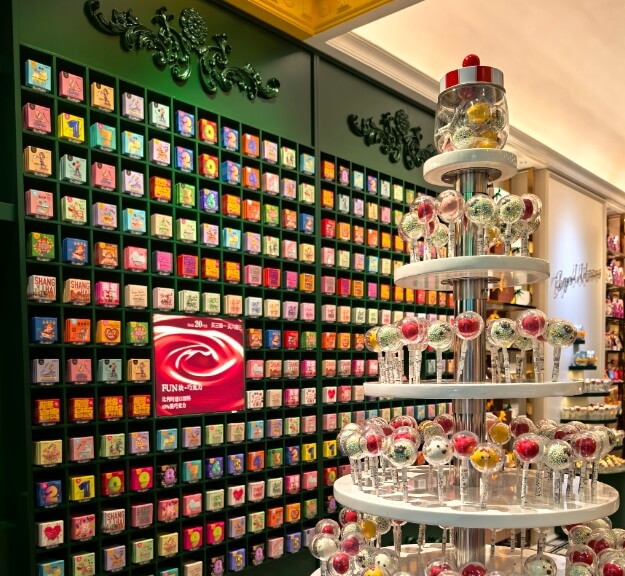
Highlight premium and seasonal products with special lighting or signage. Create dedicated sections or displays for premium candies, such as gourmet chocolates or artisanal sweets, and use spotlights to draw attention to them. For seasonal products, like holiday-themed candies, set up themed displays that match the occasion. Use colorful decorations and festive music to enhance the ambiance. Special signage can provide information about the origins, flavors, or unique features of these products, making them more appealing to customers.
Beautiful presentation can turn a simple treat into a must-have indulgence. Pay attention to the layout of your store. Arrange candies in an organized and visually appealing manner, grouping similar types together or creating eye-catching combinations. Consider offering samples of new or popular items to entice customers. A well-presented candy store not only sells products but also creates a delightful shopping experience that keeps customers coming back for more.
6. Building Customer Loyalty.
A successful candy store relies heavily on repeat customers, as they form the backbone of steady revenue and growth. To foster customer loyalty, there are several effective strategies you can implement.
Firstly, offering loyalty programs can significantly enhance customer retention. For instance, you could introduce a points system where customers earn points with every purchase, which can be redeemed for discounts or free products. This not only encourages frequent visits but also creates a sense of exclusivity and appreciation for your regular patrons. Additionally, special rewards for milestone achievements, such as birthdays or anniversaries, can further strengthen the bond between your store and its customers.
Hosting fun in-store events is another excellent way to engage your audience. Consider organizing themed events like Halloween parties, Easter egg hunts, or Christmas celebrations. These events provide an opportunity for families to enjoy quality time together while exploring your wide range of candies. You could also invite local artists or performers to add an extra layer of entertainment, making each visit memorable and enjoyable.
Providing samples is a simple yet powerful technique to attract new customers and encourage them to try different products. Offering small tastings of your best-selling items or seasonal specialties allows potential buyers to experience the quality and variety of your offerings without any commitment. This approach often leads to increased sales and positive word-of-mouth recommendations.
Training your staff to be friendly and knowledgeable about the products is essential. Well-informed employees can offer personalized recommendations based on individual preferences, ensuring that each customer finds exactly what they are looking for. Moreover, a welcoming and attentive staff creates a positive shopping environment, making customers feel value