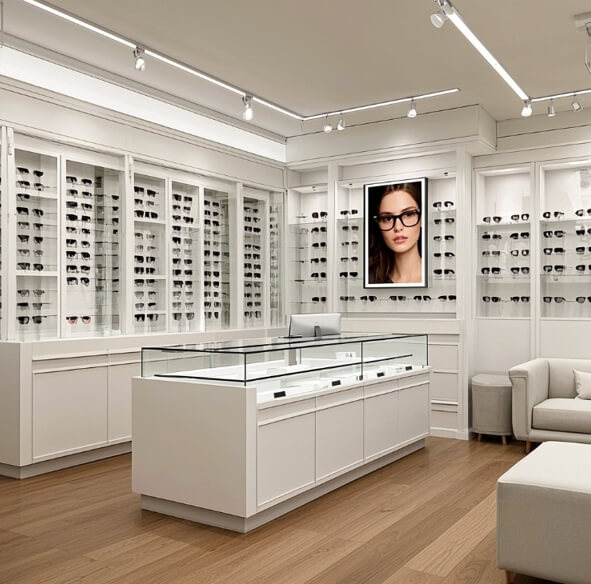
How to Create a Popular Eyewear Store with Glass and Wood?
In a world where first impressions are everything, your eyewear store’s interior can make or break its success. Glass and wood, when combined, offer an elegant and inviting aesthetic that not only showcases your products but also draws customers in. Here are five ways to effectively use glass and wood in your eyewear store’s display stands.
1.Entrance Appeal: Make a Grand First Impression.
When designing your store’s entrance, it’s important to consider both functionality and aesthetics, as this area serves as the gateway to your collection and can significantly influence customer perception.
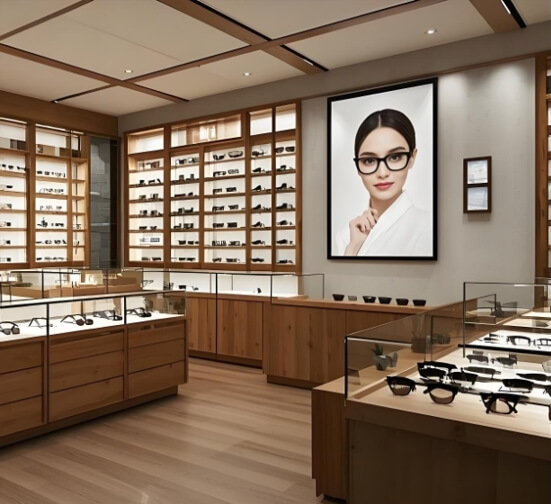
Using glass and wood in your entrance design creates an elegant and inviting atmosphere that appeals to a wide range of customers. Glass, with its transparency and sleek appearance, allows passersby to catch a glimpse of your most attractive products without even stepping inside. This visual accessibility draws attention and curiosity, encouraging potential customers to explore further. Pairing the glass with wooden elements adds warmth and texture, creating a welcoming environment that balances modernity with natural charm.
To enhance this concept, consider installing a large glass display stand at the entrance. This stand should be strategically positioned so that it immediately catches the eye upon approach. Surround the glass with wooden frames or panels, which not only complement the transparency of the glass but also provide structural support and aesthetic appeal. The combination of these materials sends a clear message about the quality and sophistication of your brand.
For maximum impact, place high-end or trendy eyewear frames on this display. These items should represent the best of what your store has to offer, showcasing your unique style and selection. To further highlight these products, incorporate built-in LED lighting within the display. Subtle yet effective illumination can draw focus to specific pieces, making them stand out and appear more desirable. This technique enhances the shopping experience by creating an atmosphere of elegance and refinement right from the start.
In addition to the physical design, think about how you can personalize the entrance experience for your customers. For example, you could display pictures of satisfied customers wearing your eyewear, along with their personal stories, creating an emotional connection that makes visitors feel more engaged with your brand.

2.Product Segmentation: Guide the Customer Journey.
When designing an eyewear store, product segmentation plays a pivotal role in guiding the customer journey and enhancing their shopping experience. By strategically using materials such as glass and wood, you can create an inviting atmosphere that not only showcases your products effectively but also reflects the brand’s identity.
Firstly, categorizing your eyewear into distinct sections helps customers easily locate what they are looking for. For instance, separate display stands can be dedicated to sunglasses, prescription glasses, and kids’ eyewear. This organization simplifies the shopping process and ensures that each category receives the attention it deserves.
Glass shelves are particularly effective for displaying eyewear because they offer a clear, unobstructed view of the products. Customers can admire the designs and details without any visual barriers, which encourages them to engage more closely with the items on display. Additionally, the transparency of glass creates an open and airy environment, making the store feel spacious and welcoming.
Wooden dividers, on the other hand, introduce a sense of warmth and structure to the space. The natural texture of wood complements the sleekness of glass, creating a harmonious balance between modernity and tradition. This combination appeals to a wide range of customers, from those who appreciate contemporary aesthetics to those who prefer a more rustic or organic look.
For special collections, consider using wood-framed glass cases. These displays are ideal for showcasing limited-edition or high-value eyewear, as they convey a sense of exclusivity and luxury. The wooden frames add a touch of elegance, while the glass protects the delicate items inside. Such displays not only highlight the uniqueness of these products but also encourage customers to perceive them as premium offerings.
3.Interactive Displays: Engage Customers.
Creating a popular eyewear store involves more than just offering a wide selection of glasses and sunglasses. It requires designing an environment that captivates customers, encourages interaction, and leaves a lasting impression. One effective way to achieve this is by incorporating interactive displays into your store design, particularly when using materials like glass and wood.
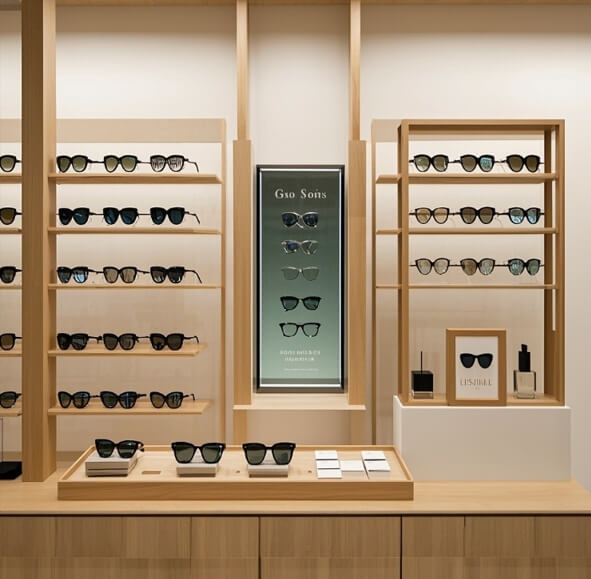
Glass and wood are versatile materials that can enhance the aesthetic appeal of any retail space. By integrating interactive elements into these display stands, you create a unique shopping experience that combines the warmth of natural materials with the convenience of modern technology. For instance, installing touch-screen glass panels on wooden bases allows customers to effortlessly access detailed product information.
They can explore various frame styles, colors, and materials without needing assistance from a sales associate. This self-service feature not only empowers customers but also reduces wait times during busy periods.Moreover, these interactive displays can include virtual try-on features, enabling customers to see how different frames look on their faces without physically trying them on.
This technology appeals to tech-savvy shoppers who appreciate convenience and innovation. Additionally, it provides an opportunity for customers to experiment with multiple options quickly, potentially increasing the likelihood of a purchase.
To further enhance the customer experience, consider adding small wooden drawers beneath the glass shelves. These drawers serve as convenient storage spaces where customers can securely place their personal belongings while trying on glasses. This thoughtful detail demonstrates attention to customer comfort and convenience, reinforcing positive feelings about the brand.
The combination of modern technology and natural materials creates a harmonious balance between functionality and aesthetics, ultimately fostering an inviting and engaging shopping environment that will keep customers coming back for more eyewear purchases.
4.Lighting Design: Highlight Your Products.
The strategic use of lighting can transform a simple retail space into an engaging environment that draws customers in and enhances their shopping experience.
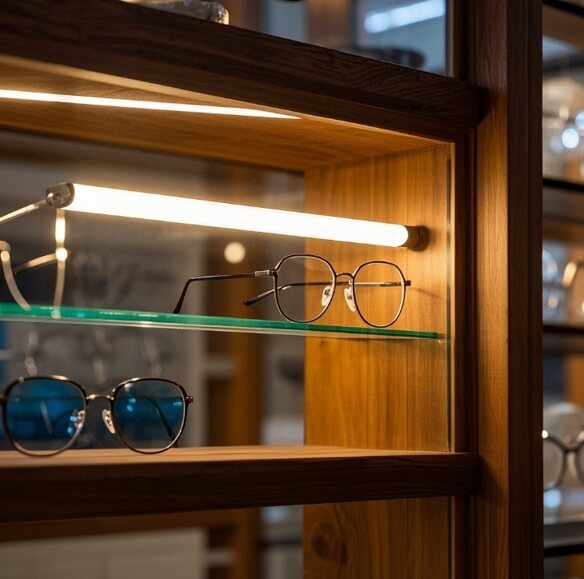
Incorporating LED strip lights along the edges of glass shelves is an excellent way to create a floating effect. This subtle illumination not only draws attention to the eyewear but also makes it appear as though it is glowing, capturing the customer’s eye and emphasizing the product’s design and quality. The interplay of light on the smooth surface of the glass adds depth and dimension to the display, making each piece of eyewear stand out individually.
Wood-framed glass display cases offer another opportunity to enhance the visual appeal through lighting. By backlighting these cases with warm-toned lights, you can create a cozy and welcoming ambiance that encourages customers to linger and explore.
Warm lighting complements the natural texture and color of the wood, softening the overall aesthetic and providing a comforting contrast to the cool, reflective surface of the glass. This combination of materials and lighting techniques creates a harmonious balance between modern elegance and traditional warmth.
The contrast between the light-reflecting glass and the earthy wood is a key element in enhancing the visual appeal of your products. Glass, with its transparency and ability to reflect light, provides a sleek and contemporary look, while wood introduces a sense of warmth and authenticity. Together, they form a visually striking backdrop that highlights the craftsmanship and uniqueness of each eyewear piece. Customers are more likely to appreciate and remember products that are presented in such an aesthetically.
5.Comfort and Aesthetics: Create a Relaxing Environment.
In today’s competitive retail landscape, creating an eyewear store that stands out requires more than just offering high-quality products. It involves crafting an environment where customers feel comfortable, relaxed, and inspired to explore your offerings. One of the most effective ways to achieve this is by incorporating elements that appeal both to comfort and aesthetics, particularly through the strategic use of materials like glass and wood.
The importance of customer comfort cannot be overstated in the context of an eyewear store. When customers are trying on glasses, they often need time to assess how each pair looks and feels. Providing comfortable wooden seating near glass display stands not only facilitates this process but also enhances the overall shopping experience. Wooden seating offers a warm, inviting touch that contrasts beautifully with the sleek, modern look of glass displays. This combination creates a balanced atmosphere that encourages customers to linger longer in the store.
To further enhance the aesthetic appeal of your store, consider adding wooden accents such as wall panels or ceiling beams. These elements contribute to a cohesive design theme, tying together different areas of the store and reinforcing its identity. For instance, wooden wall panels can serve as a backdrop for product displays, drawing attention to the eyewear while maintaining a natural, organic feel. Similarly, exposed wooden ceiling beams add texture and depth to the space, making it more visually engaging.
The synergy between glass and wood is particularly powerful in creating a harmonious environment. Glass represents transparency, clarity, and modernity—qualities that align well with the purpose of an eyewear store. Wood, on the other hand, brings warmth, stability, and a sense of nature into the space. Together, these materials create a setting where customers feel at ease, which is crucial for building long – term relationships.
This inviting environment encourages repeat visits, as customers are more likely to return to a store that offers both an extensive eyewear collection and a pleasant shopping experience. As a result, the strategic use of glass and wood not only elevates the store’s physical appearance but also contributes significantly to its commercial success in the competitive eyewear market.