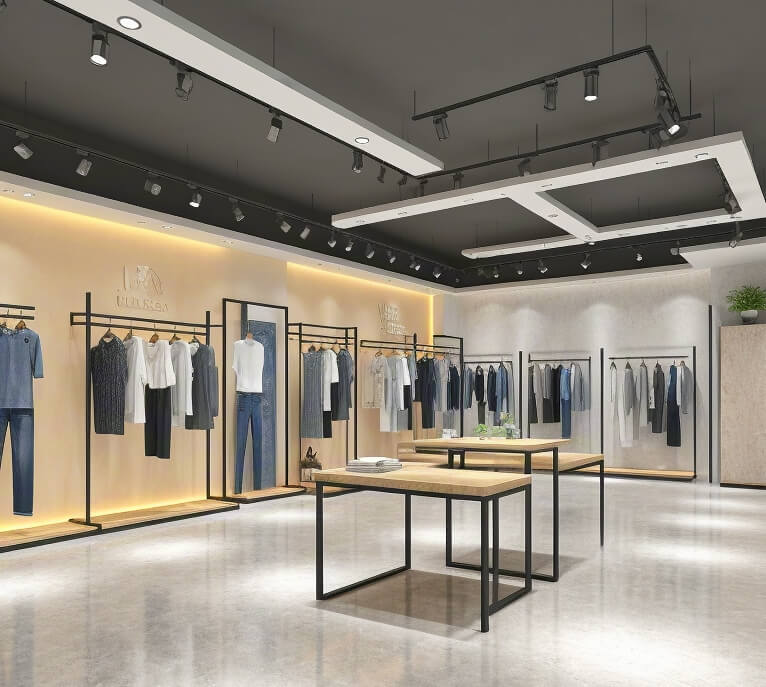
How to Design a Fashion Clothing Store?
Designing a stylish clothing store demands a multifaceted approach. From positioning to lighting, every element plays a crucial role in creating an appealing shopping space. Here’s how.

1.Determining the Store Positioning.
Store positioning involves understanding your target customer group and tailoring your offerings to align with their preferences and lifestyles. For instance, if your primary audience consists of young fashion enthusiasts, they are likely to be drawn to bold street styles and unique, eye-catching designs. These customers often seek self-expression through their clothing choices and may gravitate toward stores that reflect vibrant and dynamic aesthetics.
On the other hand, working professionals might prioritize simplicity, quality, and versatility in their wardrobe. They prefer clothing that exudes sophistication while being practical for their daily routines.
Once you have identified your target customer group, the next step is to create the store’s style based on this positioning. If your goal is to achieve a street-style atmosphere, consider incorporating elements such as graffiti walls, which add an edgy and artistic touch, and neon lights, which evoke a sense of urban energy and modernity.
These design choices not only appeal to the aesthetic preferences of young fashion enthusiasts but also create a memorable shopping experience that resonates with their lifestyle.
Alternatively, if your store’s main style focuses on simplicity, the interior design should reflect this philosophy. Plain-colored walls can provide a clean and uncluttered backdrop, allowing the clothing to take center stage.
Non-main-lamp lighting, such as recessed lights or soft ambient lighting, can enhance the overall ambiance by creating a calm and high-end feel. This approach appeals to customers who value minimalism and appreciate understated elegance in both the products and the environment.

2.Making Clever Use of Display Racks to Enhance the Space Charm.
Creating an appealing and functional space in a clothing store is crucial for attracting customers and enhancing their shopping experience. One of the most effective strategies involves making clever use of display racks to maximize both visual impact and spatial charm. This approach not only highlights the products but also contributes significantly to the overall design aesthetic of the store.
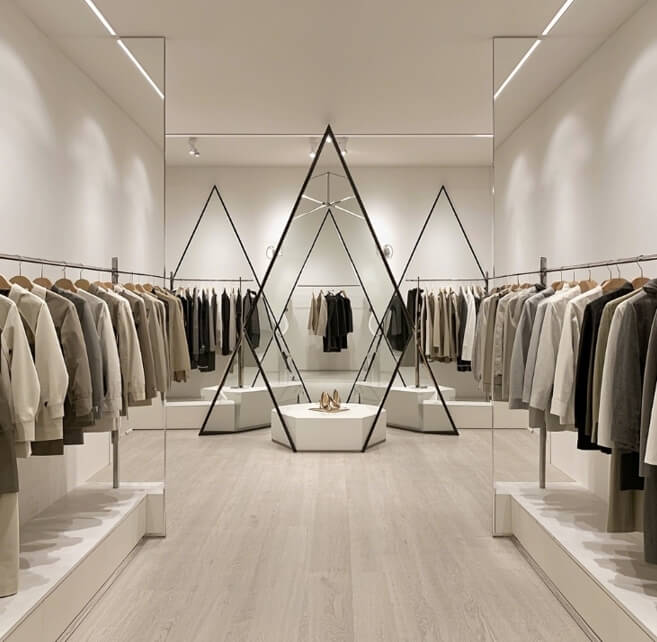
Firstly, selecting display racks with distinctive shapes can play a pivotal role in capturing customer attention. For instance, geometric designs such as triangular or hexagonal structures offer a modern and innovative look that stands out from traditional rectangular racks. Sculptural styles, on the other hand, add an artistic touch, transforming the racks into focal points within the store. These unique designs encourage customers to explore further, creating a memorable impression that may lead to increased sales.
Secondly, arranging the display racks thoughtfully is essential for optimizing the store layout. By strategically placing racks, you can divide the space into different sections, each dedicated to specific categories or themes. For example, one area could be designated for new arrivals, while another focuses on seasonal collections or featured items.
Combining this zoning strategy with appropriate lighting allows you to emphasize key products, drawing customers’ eyes toward these areas. Adjustable spotlights or LED strips can be used to create a spotlight effect, ensuring that important items are easily noticed and appreciated.
Moreover, integrating interactive elements near the display racks enhances the shopping experience. Mirrors placed alongside racks allow customers to immediately visualize how garments look on them, encouraging more confident purchasing decisions. Similarly, positioning fitting rooms close to popular sections ensures convenience, reducing the time it takes for customers to try on clothes.
This setup not only increases the likelihood of customers making a purchase but also fosters a sense of engagement, making them more likely to return to the store in the future. By making the shopping process seamless and enjoyable, stores can build stronger relationships with their clientele, solidifying their position in the competitive fashion market.
3.Optimizing the Display and Collocation.
Optimizing the display and collocation is of great importance when designing a stylish clothing store. A well-thought-out layout not only enhances the shopping experience but also increases the likelihood of customer satisfaction and repeat visits. Here are some detailed strategies to achieve an appealing and functional store design.
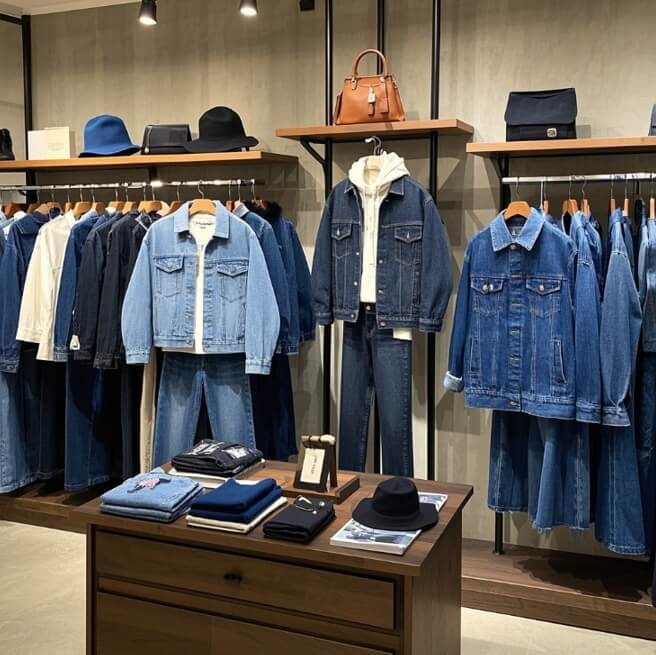
Firstly, implementing serialized displays can significantly improve the shopping experience. This involves grouping clothing items with similar styles and colors together. For instance, if your store specializes in casual wear, you might group all the denim jackets in one section, followed by matching jeans and complementary tops.
This arrangement makes it easier for customers to visualize complete outfits without having to search through different parts of the store. Such organization saves time and effort, allowing shoppers to focus on selecting items they truly like.
Secondly, utilizing gradient color displays can create a visually stunning environment. By arranging garments in a gradient from warm tones to cool tones or from light shades to darker ones, you can guide customers’ eyes naturally through the store. This technique not only adds aesthetic appeal but also helps in organizing the inventory more effectively. For example, starting with bright summer yellows and oranges, transitioning into neutral tones, and finally ending with deep winter blues and blacks can make the store appear more organized and inviting.
Additionally, incorporating accessories into the display is crucial for enhancing the overall matching sense. Hats, scarves, jewelry, belts, and other small items can play a significant role in completing an outfit. Placing these accessories near relevant clothing sections encourages customers to consider purchasing them as part of a coordinated look. For example, placing a selection of scarves next to the winter coats section can inspire customers to imagine themselves wearing the entire ensemble. This approach not only elevates the perceived value of the clothing but also boosts the average transaction value.
Accessories often carry higher profit margins, so by promoting their sale in tandem with clothing, stores can enhance their overall profitability. What’s more, coordinated displays featuring accessories can showcase the store’s fashion expertise, strengthening its brand image as a go – to destination for stylish outfits. This, in turn, attracts more customers who are seeking complete fashion solutions, rather than just individual items.
4.Creating a Comfortable Shopping Environment.
Creating a comfortable shopping environment is of great importance when designing a stylish clothing store. A well-planned shopping space not only enhances the customer experience but also encourages longer visits and repeat business. To achieve this, several key factors must be considered in the design process.
Firstly, planning the aisles reasonably is crucial to avoid narrowness and congestion. Wide aisles allow customers to move around freely without feeling cramped or obstructed. This freedom of movement creates a more relaxed atmosphere, enabling shoppers to browse products comfortably. For instance, a minimum aisle width of 150 cm is often recommended to accommodate two-way traffic and ensure ease of access for all customers, including those with strollers or wheelchairs.
Secondly, selecting appropriate floor materials plays a significant role in enhancing customer comfort. Hard, uncomfortable flooring can lead to fatigue during extended shopping sessions. Therefore, opting for softer and more forgiving materials such as wooden floors or non-slip floor tiles is advisable. Wooden floors provide a warm and inviting aesthetic while reducing strain on customers’ feet. Non-slip floor tiles, on the other hand, ensure safety in areas where spills might occur, making them an excellent choice for high-traffic zones.
Temperature and humidity control are equally important aspects of creating a pleasant shopping environment. Extreme temperatures or excessive humidity can negatively impact the shopping experience. Installing an efficient air conditioning system allows the store to maintain a consistent and comfortable temperature throughout the year.
Additionally, incorporating a fresh air system ensures that the indoor air remains clean and oxygenated, which is particularly beneficial in enclosed spaces. Fresh air circulation helps eliminate odors and maintains a refreshing atmosphere, further enhancing customer satisfaction.
5.Using Lighting to Create an Atmosphere.
Creating an atmosphere through lighting is a crucial aspect of designing a stylish clothing store. Lighting not only ensures that the space is visually appealing but also plays a significant role in influencing customers’ perceptions and shopping experiences. By strategically combining different types of lighting, store designers can enhance the overall ambiance while effectively showcasing products.
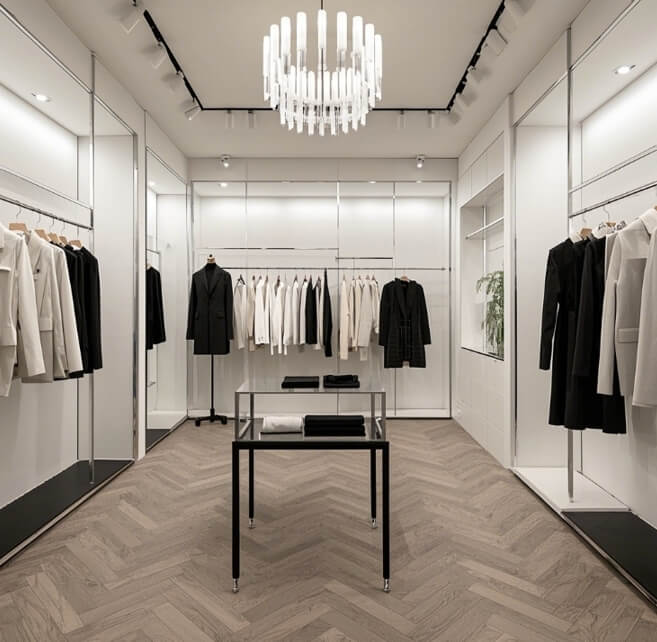
Basic lighting serves as the foundation for ensuring the store is adequately bright and welcoming. This type of lighting provides even illumination throughout the space, making it easy for customers to navigate and feel comfortable. It sets the stage for other lighting elements by creating a consistent level of brightness that prevents areas from appearing too dim or overly harsh.
Key lighting focuses on highlighting specific details of the products, drawing attention to their unique features. For example, spotlights can be used to illuminate individual garments or accessories, emphasizing textures, colors, and craftsmanship. This technique helps create focal points within the store, guiding customers’ eyes toward high-value items or new arrivals. Key lighting is particularly effective when paired with displays or mannequins, as it enhances the visual appeal of the merchandise.
Ambient lighting contributes to the overall mood of the store by creating a cohesive atmosphere. Warm-toned lights, characterized by their golden hue, evoke feelings of warmth and comfort, making them ideal for stores specializing in casual wear. Such lighting encourages customers to relax and spend more time browsing, which can lead to increased sales.
On the other hand, cool-toned lights, with their crisp white appearance, emphasize the quality and texture of products, making them perfect for formal wear sections. These lights help convey a sense of sophistication and professionalism, aligning with the expectations of customers seeking premium clothing options.
Skillfully using the contrast between light and dark areas adds drama to the store layout. Designers can create zones of emphasis, guiding customers through different sections of the store. For instance, a brightly lit display of new arrivals at the entrance can pique customers’ curiosity, while dimmer ambient lighting in the fitting room area provides a sense of privacy. This interplay of light levels not only makes the shopping experience more engaging but also maximizes the visual impact of the products.
Moreover, adjustable lighting systems offer flexibility. Store owners can change the lighting according to the time of day, different seasons, or specific marketing campaigns. For example, during the holiday season, warmer and more vibrant lighting can create a festive atmosphere. In summary, through a thoughtful combination of basic, key, and ambient lighting, and the intelligent use of contrast and adjustability, clothing stores can craft an immersive shopping environment that boosts both customer satisfaction and sales.