How to display cellphones in a retail store?
If you are considering setting up a new mobile phone store, this article is designed to serve as your comprehensive guide through below key ideas:
1.Main Display Area.
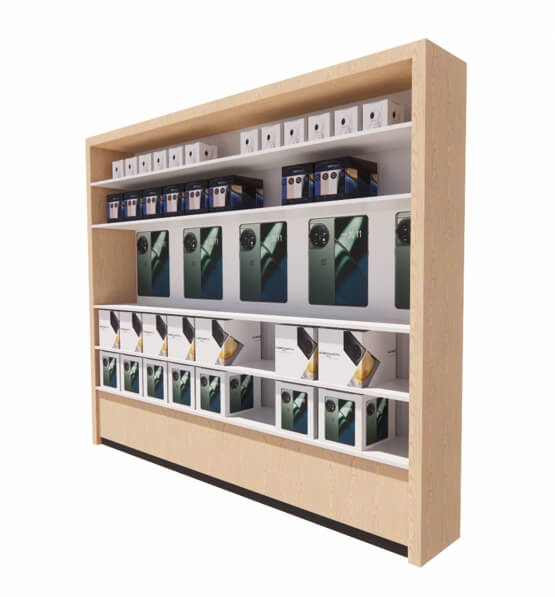
The Main Display Area plays a crucial role in the retail environment for showcasing cellphones. Strategically positioned at the store’s entrance or within the immediate line of sight of customers, this area serves as the first point of contact between the products and potential buyers. By placing it prominently, retailers can immediately capture the attention of passersby and draw them into the store.
This prime location is ideal for featuring the latest models, best-selling devices, and flagship smartphones. These products are often the most innovative and technologically advanced, making them highly attractive to tech-savvy consumers. To enhance the visual appeal, the display area should be equipped with appropriate lighting and an aesthetically pleasing backdrop. Soft, focused lighting can highlight the sleek designs and vibrant screens of the phones, while a clean and modern background can create a sophisticated and inviting atmosphere.
By carefully designing and maintaining the Main Display Area, retailers can effectively communicate the value and quality of their products, ultimately driving sales and customer satisfaction.
2.Experience Area.
The Experience Area is essential because it allows potential buyers to physically interact with the products, which significantly enhances their purchasing decision-making process. An effective experience area should be thoughtfully designed to maximize customer engagement and satisfaction.
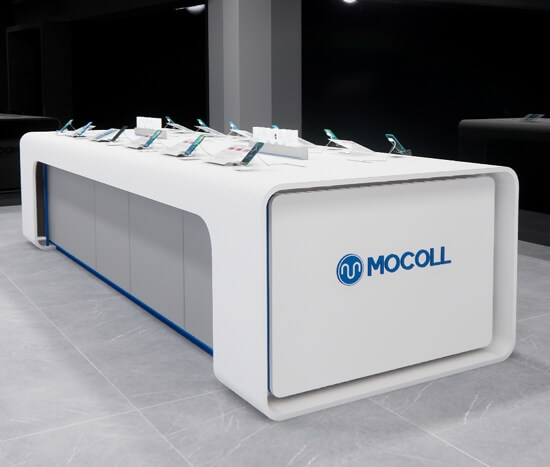
Firstly, the layout of the experience area should be inviting and accessible. An open display table encourages customers to approach and explore the devices without feeling restricted or intimidated. The table should be well-lit and positioned in a prominent location within the store, making it easy for shoppers to find and engage with the products.
Secondly, the devices on display should be unlocked and ready for use. This ensures that customers can freely navigate through the phone’s features, test its responsiveness, and get a true sense of its performance. Unlocked devices allow users to access all the functionalities, including browsing the internet, checking app performance, and even making test calls if necessary.
To maintain security while providing a seamless user experience, secure stands equipped with anti-theft attachments are essential. These stands should be designed to hold the devices firmly in place while still allowing customers to rotate and angle the phones to examine different aspects. For example, customers might want to check the display quality from various angles or evaluate the camera’s performance by taking photos in different lighting conditions.
Additionally, the experience area can be enhanced with supplementary materials such as informational brochures, comparison charts, and video demonstrations. These resources can provide customers with more detailed insights into the technical specifications and unique selling points of each model.

3.Promotional Area.
The Promotional Area is specifically designed to showcase discounted phones, special packages, and other attractive offers that can draw customer attention and stimulate sales. To maximize its effectiveness, the promotional area should be strategically located in high-traffic spots, such as near the checkout counter or along the main aisles, where it is most likely to be seen by a large number of shoppers.
Clear and eye-catching signage is essential in guiding customers to the promotional area. Signs that highlight phrases like “Limited-Time Offer” or “Special Deals” not only inform shoppers about the current discounts but also create a sense of urgency, encouraging them to make impulsive purchases. For instance, a sign that reads “50% Off on Select Models – Today Only!” can significantly increase the likelihood of a customer taking advantage of the offer.
Moreover, the layout of the promotional area should be well-organized and visually appealing. Displaying phones in an attractive manner, with accessories and additional information readily available, can enhance the shopping experience and provide customers with all the necessary details to make an informed decision.
By carefully designing and maintaining the promotional area, retailers can effectively leverage this space to boost sales, clear out inventory, and attract new customers to their store. The key is to ensure that the promotional area remains dynamic and frequently update.

4.Accessory Area.
The Accessory Area is specifically designed to highlight a variety of phone accessories, including earphones, cases, chargers, and other complementary items. Typically situated adjacent to the main phone display areas, the accessory section serves as a natural extension of the product offerings, encouraging customers to explore and consider additional purchases.
One of the key features of the Accessory Area is its thoughtful organization. Accessories are often arranged in a way that makes it easy for customers to navigate and find what they need. For instance, items can be grouped by color, which not only creates an aesthetically pleasing display but also helps customers quickly locate accessories that match their phone or personal style.
Alternatively, accessories can be organized by brand, allowing loyal customers to easily find products from their preferred manufacturers. Function-based organization is another effective strategy, where items are grouped according to their purpose, such as charging solutions, protective cases, or audio accessories.
This strategic placement and organization of the Accessory Area significantly contribute to the store’s sales performance. By making it convenient for customers to find and purchase additional items, the store can boost its average transaction value. For example, a customer who comes in to buy a new phone might also decide to pick up a matching case, a high-quality charger, and a pair of wireless earphones, all of which add value to their purchase and enhance their overall satisfaction with the shopping experience.
Moreover, the Accessory Area can serve as a platform for introducing customers to new and innovative products. Retailers often use this space to showcase the latest accessories, such as smartwatches, fitness trackers, and portable speakers.

5.Brand or Feature Sections.
By organizing display areas according to brand or specific features, retailers can significantly enhance the shopping experience for customers. For instance, grouping phones by the same brand not only simplifies the decision-making process but also allows customers to easily compare different models within the same product line. Similarly, categorizing devices based on specific uses, such as photography, gaming, or budget-friendly options, caters to the diverse needs and preferences of shoppers.
This strategic organization serves multiple purposes. Firstly, it helps customers find their preferred device more quickly, reducing the time and effort required to navigate through a wide range of options. Secondly, it creates a more orderly and visually appealing display, which can attract and retain customer attention. For example, a dedicated section for high-end cameras can showcase the latest advancements in smartphone photography, complete with sample images and detailed specifications. Similarly, a gaming-focused area can highlight the powerful processors and high-resolution displays that are essential for an immersive gaming experience.
Moreover, this approach facilitates cross-selling opportunities. When customers are browsing a particular category, they are more likely to discover additional features or accessories that complement their chosen device. For instance, a budget-friendly phone section can include information about affordable cases, screen protectors, and other accessories that enhance the value proposition.
6.Interactive Screens.
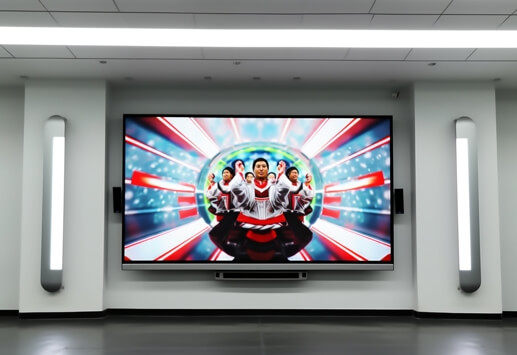
Interactive screens or display monitors play a crucial role in enhancing the customer experience in retail stores, particularly when it comes to showcasing cellphones. These advanced displays are not just visual aids; they serve as powerful tools that engage customers and provide them with valuable information about the products on offer.
By installing interactive screens or display monitors, retailers can create an immersive environment that captures the attention of potential buyers. These screens can be programmed to display a wide range of content, such as detailed product specifications, high-resolution images, and even video demonstrations.
For example, a screen might show a 360-degree view of a new smartphone, allowing customers to see every angle and feature without having to handle the device themselves. This not only protects the product but also ensures that all customers have access to the same level of information.
Moreover, these displays can be used to highlight customer reviews and ratings, which are often a significant factor in the purchasing decision process. Positive reviews from satisfied users can build trust and credibility, encouraging hesitant customers to make a purchase. Retailers can also use these screens to run targeted advertisements, showcasing special offers or promotions that may be available for a limited time.
The dynamic nature of these displays makes them especially effective for promoting high-end or newly released phones. By emphasizing key selling points such as camera quality, battery life, and unique features, retailers can differentiate their products from competitors and justify higher price points. For instance, a new flagship model might have a revolutionary camera system that can capture stunning photos in low light conditions. An interactive screen can demonstrate this capability through live examples, giving customers a clear understanding of the phone’s capabilities.
7.Comfortable Customer lounge area.
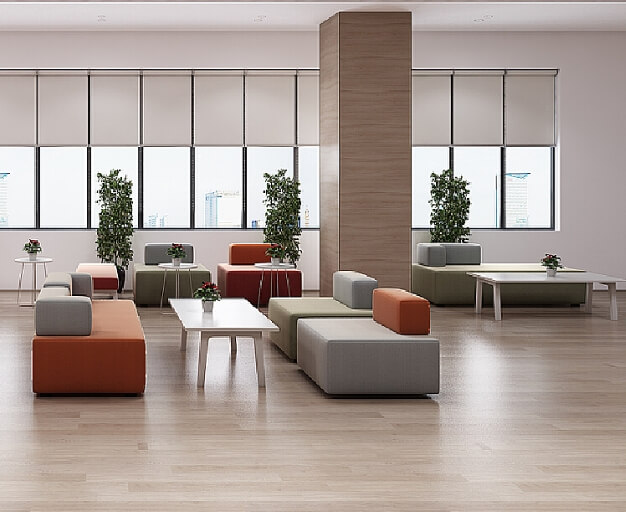
Creating a welcoming and comfortable customer lounge area within a retail store that specializes in cellphone displays is not just an amenity; it’s a strategic move that significantly enhances the overall shopping experience. By setting up a dedicated space equipped with plush chairs or sofas, retailers can provide their customers with a cozy spot to relax while exploring the latest smartphone models.
Offering complimentary Wi-Fi further elevates this experience, enabling shoppers to easily access online reviews, compare features, and even watch demonstration videos of the devices they are interested in.
This lounge area serves multiple purposes beyond mere comfort. It acts as an extension of the sales floor, where customers can take their time to familiarize themselves with various products without feeling pressured by sales staff. For instance, a family looking to upgrade their phones might appreciate having a place to sit together, discuss their options, and make informed decisions at their own pace.
Additionally, the lounge can be strategically designed to showcase supplementary information, such as different phone plans, warranty options, and related services like insurance or repair programs. This not only informs customers but also helps build trust and confidence in the brand.
Moreover, the presence of a well-designed customer lounge can have a positive impact on customer satisfaction and purchase intent. Shoppers who feel valued and comfortable are more likely to spend more time in the store, increasing the chances of impulse purchases. The lounge can also serve as a waiting area for customers who are waiting for services such as phone repairs or software updates, ensuring that their time is spent comfortably rather than standing in line.