How to display cloth in a retail store?
The success of a clothing store is closely correlated with its location, decor style, and brand positioning. Moreover, effectively displaying cloth within the store to stimulate consumer interest is also pivotal, and below are some key points to consider:
1.Product classification
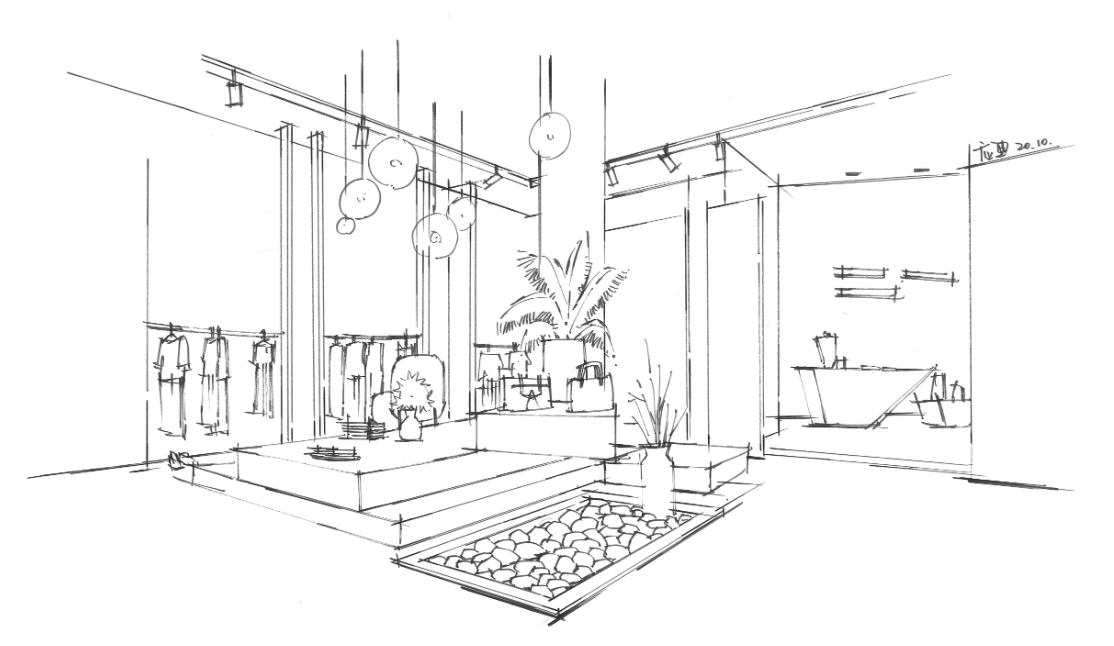
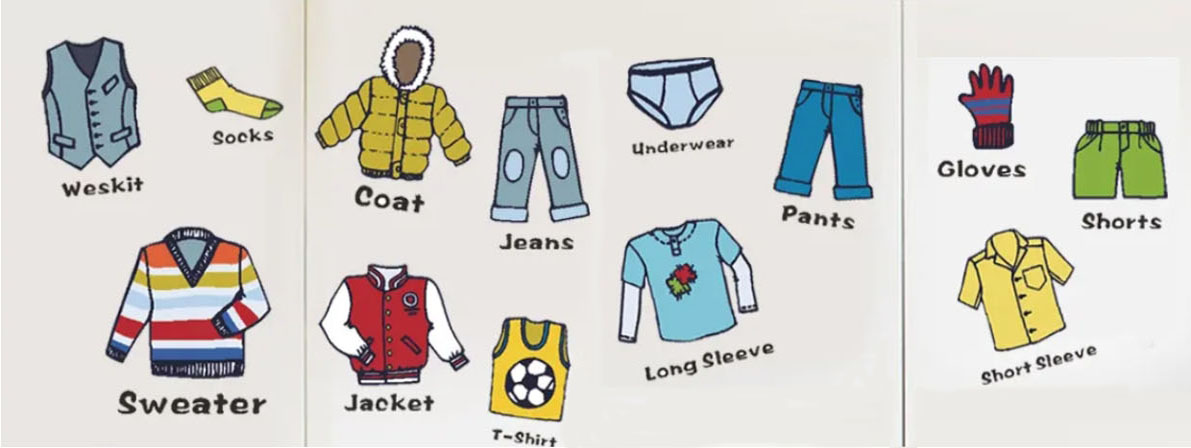
It is an essential step in organizing a clothing store effectively. By categorizing garments based on different classifications such as outerwear, jeans, jackets, it becomes easier for customers to navigate through the store and find what they are looking for. Allocating specific display areas for each category ensures that the products are showed in an organized manner.
Furthermore, grouping products with similar styles together can greatly enhance the shopping experience for customers. This allows them to easily find matching or complementary items without having to search through different sections of the store.
It also promotes the comprehensive utilization of display shelves by ensuring that all available space is utilized efficiently.
2. Mannequin display
Leveraging mannequin effectively can significantly impact customers’ purchasing decisions. When clothes are displayed on mannequin, it gives customers a better idea of how they would look when worn. This not only captures their attention but also stimulates their desire to purchase those items.
To maximize the impact of mannequin displays, special emphasis should be placed on strategically positioning key recommended products within customers’ line of sight upon entering the store.
This ensures that these products are easily discovered and increases their chances of being purchased.

3. Seasonal display
In addition to organizing the display scene according to distinct seasonal characteristics, it is important to consider incorporating relevant accessories and decorations that complement the overall theme.
For example, during autumn, alongside showing autumn and winter coats, jackets, etc., one could also incorporate warm-toned foliage or rustic elements like hay bales or pumpkins to create a cozy atmosphere. Similarly, during summer, highlighting T-shirts and skirts can be enhanced by adding vibrant beach-themed props such as sand buckets or surfboards.
To further enhance the fresh appearance throughout the store, it would be beneficial to regularly update the seasonal displays with new arrivals and trendy items. This not only keeps customers engaged but also encourages them to explore different sections of the store in search of unique pieces that align with their personal style.

4. Thematic displays
To further enhance the shopping experience and provide convenience to customers, it is important to emphasize thematic displays in retail stores.
By arranging displayed clothing according to various themes, such as color combinations, fashion trends, popular elements like family sets or sportswear, and professional attire collections, retailers can create a visually appealing and organized environment for shoppers.
Thematic displays based on color combinations allow customers to easily locate garments that match their preferences. For example, organizing clothes by complementary colors or coordinating shades can help shoppers find outfits that suit their personal style or event requirements effortlessly.
Fashion trends are constantly evolving, and incorporating them into thematic displays enables customers to stay up-to-date with the latest styles.
By grouping together items that reflect current fashion trends like animal prints or oversized silhouettes, retailers can cater to the ever-changing tastes of consumers who seek trendy pieces. Another theme that can be emphasized is popular elements such as family sets or sportswear.
Displaying matching outfits for families encourages bonding experiences through coordinated dressing while also providing convenience for parents looking for cohesive looks.
Additionally, showing sportswear collections in a dedicated section allows fitness enthusiasts or athletes to easily find performance-enhancing apparel suitable for their activities. Furthermore, organizing professional attire collections separately caters specifically to individuals seeking workwear options.
This themed display could include business suits, formal dresses, blouses/shirts paired with tailored pants/skirts – all arranged in an orderly manner so professionals can quickly locate appropriate clothing choices for their workplace needs.

5. Make full use of store fixtures
In addition to maximizing the vertical space on wall-mounted display shelves, it is also important to consider the arrangement of clothing items.
Organizing clothes by color or style can create a visually appealing and easy-to-navigate shopping experience for customers. By grouping similar items together, shoppers can quickly find what they are looking for.
Furthermore, incorporating adjustable shelving units can provide flexibility in displaying different sizes of clothing. This allows retailers to easily adapt their displays based on inventory levels and customer preferences. Adjustable shelves also make it easier to show new arrivals or highlight seasonal collections.
To enhance the overall store layout and attract attention, consider using lighting techniques strategically. Illuminating certain areas with spotlights or track lights can draw focus to specific products or sections within the store.
Additionally, installing mirrors near display shelves can create an illusion of more space while allowing customers to see how outfits look from different angles.Another way to optimize display shelves is by utilizing signage effectively.
Clear and concise signs that indicate product categories or promotions help guide customers through the store and encourage them to explore different sections. Using eye-catching graphics or typography on these signs can further enhance visual appeal.
Lastly, don’t forget about creating a comfortable browsing environment for shoppers. Incorporating seating areas near display shelves provides a place for customers to rest while contemplating their purchases.
Adding decorative elements like plants or artwork throughout the store can also contribute to a pleasant atmosphere that encourages longer stays and repeat visits. By implementing these strategies, retailers can make optimal use of store fixtures not only in terms of maximizing space but also in enhancing the overall shopping experience.
6. Clear branding
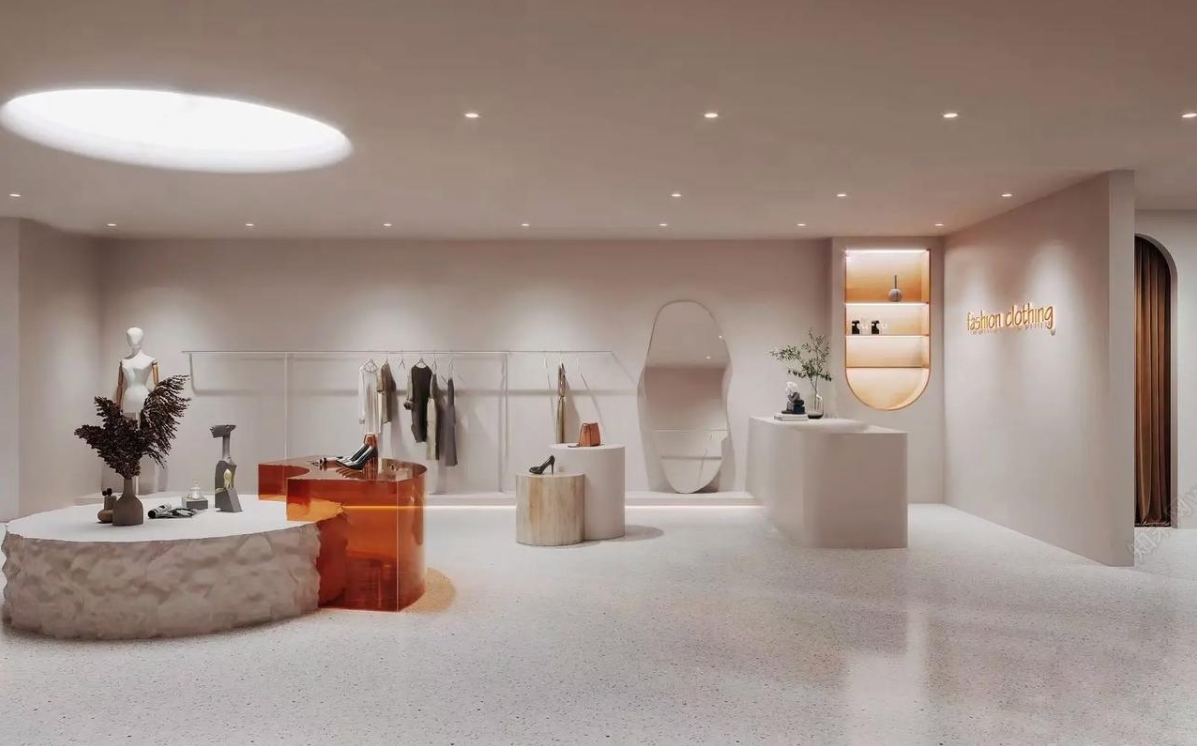
To enhance the overall shopping experience, it is crucial to have clear branding in a retail store. One effective way to achieve this is by ensuring that different product lines are clearly distinguished through distinct logos or varying color tones. This not only helps customers easily identify and locate specific products but also adds visual appeal to the store.
Moreover, it is important to consider the ease of movement within the store. By providing ample passages, customers can navigate between different sections without any restrictions or obstacles.
This promotes a seamless flow of foot traffic and prevents congestion, allowing shoppers to explore various areas effortlessly.
In addition to facilitating unrestricted movement, well-designed passages also contribute to a more organized and spacious ambiance within the store. They create an inviting atmosphere where customers feel comfortable browsing through different sections at their own pace.
Furthermore, these passages can be strategically placed near promotional displays or high-demand areas, attracting attention and encouraging exploration.
By guiding customers along designated paths throughout the store, retailers can effectively show their diverse range of products while maximizing customer engagement.
Overall, clear branding with distinct logos or varying color tones combined with ample passages enhances both functionality and aesthetics in a retail environment. It creates an enjoyable shopping experience for customers by making it easier for them to find what they need while seamlessly navigating through different sections of the store.
7. Atmosphere design
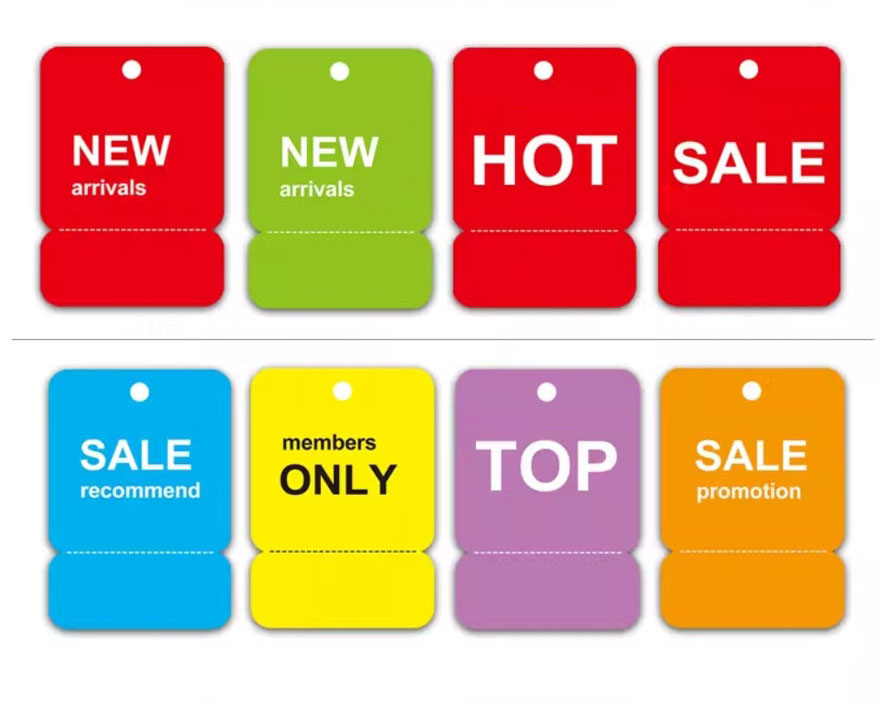
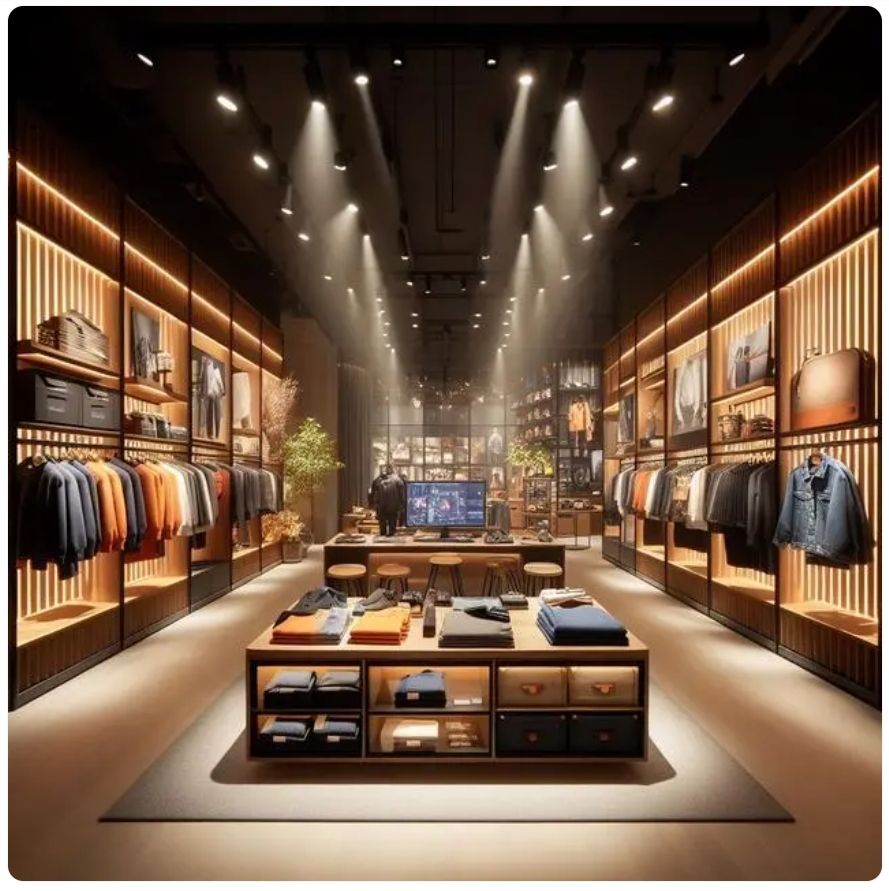
Atmosphere design is a crucial aspect of creating an immersive and visually appealing shopping environment. It involves carefully designing the lighting to enhance the overall ambiance and create a welcoming atmosphere for customers.
This can be achieved by utilizing different colors that complement various types of clothing, allowing shoppers to envision how they would look in different outfits.
In addition to lighting design, incorporating thematic fixtures adds another layer of excitement and engagement for customers. By aligning with different festivals or events throughout the year, retailers can create a sense of celebration and anticipation within their stores.
These fixtures could include seasonal decorations, such as Christmas trees during the holiday season or vibrant floral arrangements during springtime.
The choice of appropriate themes and colors plays a significant role in setting the mood and capturing customers’ attention.
For example, during Halloween, dark hues like black and orange combined with spooky fixtures can create an eerie yet thrilling atmosphere that resonates with shoppers looking for costumes or party supplies. Similarly, during Valentine’s Day, using romantic themes like hearts and roses along with soft pink or red lighting can evoke feelings of love and affection among customers browsing for gifts or planning special dates.
By paying attention to these details in atmosphere design, retailers can effectively enhance their store’s visual appeal while also creating an enjoyable shopping experience for their customers.
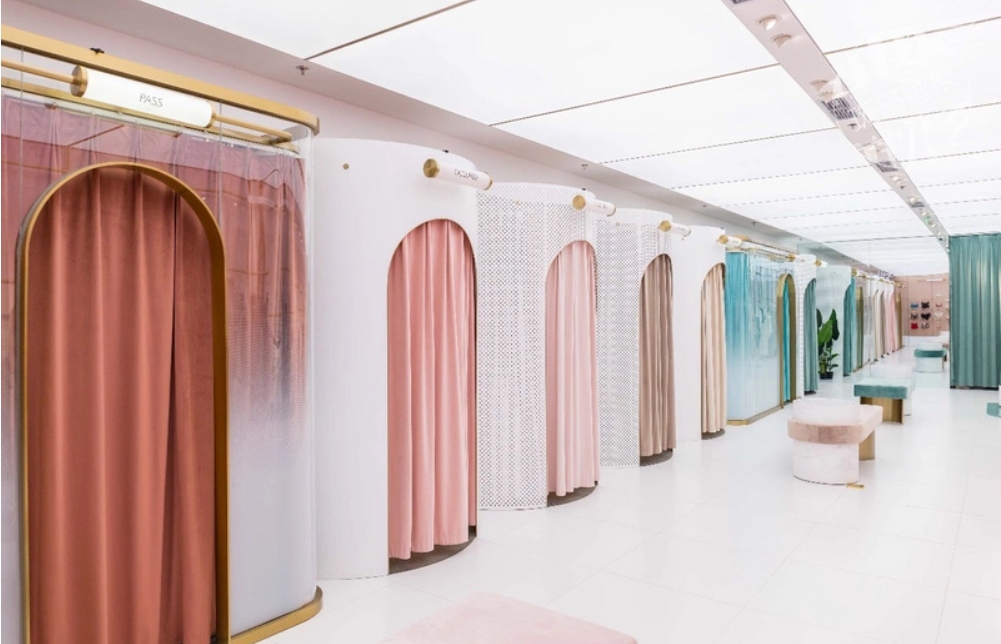
8. Pay attention to the fitting room
When the customer brings the clothes to the dressing room, it is a crucial step, and we must pay meticulous attention to this final stage. To ensure a seamless shopping experience, there are several additional aspects that should be considered.
Firstly, ensure that the fitting room is clean and well organized in order to create an optimal shopping environment.
Secondly, the interior space of the dressing room should be sufficiently spacious to facilitate customers’ try-ons, accompanied by a well-placed mirror for them to assess their appearance.
Lastly, dedicated personnel assigned within the fitting room area should possess excellent product knowledge and exceptional customer service skills.
They should be trained not only in assisting with size and color changes but also in offering personalized styling advice if requested by customers.
Their presence will help create a positive impression of the brand and build trust between the customer and store staff.