How to Display Handicrafts in Your Store?
How to Display Handicrafts in Your Store?
Ever walked into a store and felt like you’ve entered an art gallery? That’s the magic of a great display! Arranging handicrafts isn’t just about putting things on shelves—it’s about telling a story. Let’s explore how to showcase your unique pieces beautifully!

1.Use Themed Display Areas.
Creating themed display sections based on styles, materials, or cultural backgrounds can significantly enhance the shopping experience for customers and help them easily explore your collection. By organizing your store into distinct areas, you not only make it easier for shoppers to navigate but also create an immersive environment that tells a story and fosters an emotional connection with buyers.
For instance, you could establish a section dedicated to “Traditional Crafts,” where items such as handwoven textiles, carved wooden sculptures, and pottery from various cultures are displayed. This area can feature crafts that have been passed down through generations, highlighting the rich history and craftsmanship behind each piece. You might include informational plaques or QR codes that provide background on the artisans and the significance of their work, allowing customers to appreciate the heritage and skill involved.
Another themed area could focus on “Modern Handmade Décor,” showcasing contemporary designs that blend traditional techniques with innovative materials and aesthetics. Here, you might find minimalist wall art, abstract sculptures, or unique home accessories that appeal to customers looking for fresh, stylish additions to their living spaces. This section can emphasize the fusion of old and new, demonstrating how handmade items can be both functional and artistic.
Additionally, setting up an “Eco-Friendly Handicrafts” area can cater to environmentally conscious consumers. This section would highlight products made from sustainable materials like bamboo, recycled glass, or organic cotton. You could also feature information about the eco-friendly practices used by the artisans, such as using non-toxic dyes or reducing waste during production. This not only informs customers about the environmental benefits but also encourages them to support sustainable practices.

2.Choose the Right Display Racks.
Selecting the appropriate display racks plays a pivotal role in effectively showcasing handicrafts in your store. The right choice of display fixtures can significantly enhance the shopping experience for customers and highlight the unique qualities of your products.
When it comes to choosing display racks, there are several options available, each offering distinct advantages. Wooden shelves, for instance, provide a warm and inviting atmosphere that can complement rustic or traditional crafts. These shelves often evoke a sense of craftsmanship and authenticity, making them ideal for items like pottery, wooden carvings, or handwoven textiles.
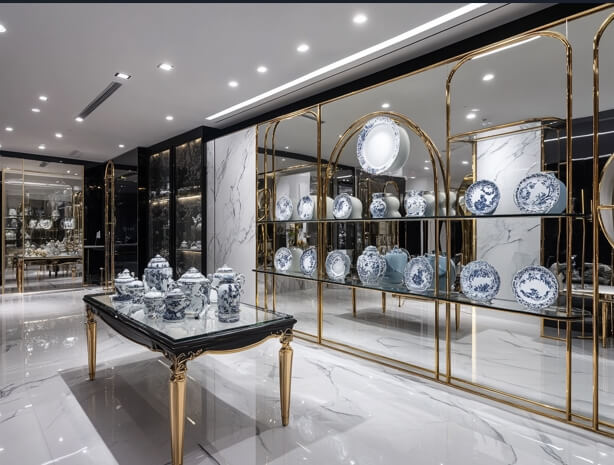
Glass display cases, on the other hand, offer a sleek and modern look that is perfect for more delicate or high-value items. Glass cabinets not only protect these pieces from dust and potential damage but also allow customers to view the intricate details up close. Proper lighting within these displays can create dramatic effects, drawing attention to the craftsmanship and enhancing the overall appeal of the products.
Metal racks, with their industrial and contemporary design, can add an edgy touch to your store. They are versatile and can be used for a wide range of handicrafts, from jewelry to larger decorative items. Metal racks can also be easily customized with different configurations to suit various product sizes and shapes.
Moreover, the layout of your display racks is equally important. Consider how customers will navigate through your store and arrange the racks in a way that encourages exploration. Group similar items together to create themed sections, which can help customers find what they are looking for more easily. Additionally, placing signature or best-selling items at eye level can draw immediate attention and boost sales.

3.Focus on Lighting to Enhance Appeal.
Proper lighting is essential when it comes to displaying handicrafts in your store. The right lighting can significantly enhance the visual appeal of your products, drawing customers’ attention and creating a more inviting shopping environment.
Warm lighting is particularly effective for highlighting the textures and intricate details of handmade items. This type of lighting creates a cozy and welcoming atmosphere that complements the craftsmanship and authenticity of the pieces. For example, warm LED lights or soft incandescent bulbs can bring out the natural colors and patterns in wood carvings, woven textiles, or pottery.
To create a focal point within your display, consider using spotlights on key pieces. Spotlights help draw attention to specific items, making them stand out from the rest of the collection. This technique is especially useful for showcasing signature pieces or limited-edition items. By directing light onto these standout items, you can guide customers’ eyes and encourage them to take a closer look.
It’s important to avoid harsh or uneven lighting, as this can detract from the beauty and quality of your products. Harsh lighting may cause glare or shadows that obscure important details, while uneven lighting can create an unbalanced appearance. Instead, opt for a well-balanced lighting setup that evenly distributes light throughout the display area.
Additionally, consider the layout of your store and how lighting can enhance different sections. For instance, dimmer lighting can be used in areas where customers can sit and examine items up close, creating a more intimate setting. On the other hand, brighter lighting can be employed in high-traffic areas to attract attention and highlight popular products.
4.Arrange Items by Size and Color.
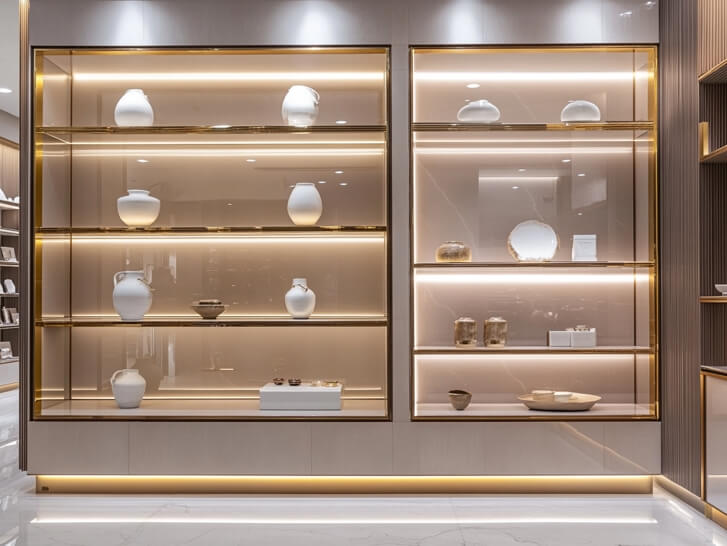
Arranging items by size and color is crucial for effectively displaying handicrafts in your store. This method not only creates an aesthetically pleasing environment but also enhances the shopping experience for your customers. By organizing products thoughtfully, you can attract more attention to your merchandise and make it easier for shoppers to find what they are looking for.
Firstly, consider the arrangement by size. Place larger items at the back of the display area and smaller items at the front. This technique ensures that all items are visible and easily accessible. For example, if you have a collection of handmade pottery, position the bigger vases or bowls towards the rear while placing smaller decorative pieces like ceramic figurines or coasters closer to the front. This layered approach adds depth to your display and prevents smaller items from being overshadowed.
Secondly, organizing by color can significantly enhance the visual appeal of your display. Grouping similar color tones together creates a harmonious and cohesive look. Imagine arranging a series of handwoven baskets in shades of earthy browns and greens, or showcasing colorful textiles with vibrant reds, yellows, and blues grouped together. This method draws the eye naturally through the display, making it more engaging and visually satisfying. You might also consider creating color gradients, transitioning from light to dark hues, which can add a dynamic element to your presentation.
Additionally, consider the overall layout of your store. Use shelves, racks, and tables strategically to create distinct sections for different types of handicrafts. For instance, you could dedicate one corner to wooden crafts, another to textile items, and yet another to glassware. Within each section, apply the principles of size and color organization to maintain consistency throughout the store.
5.Rotate Displays Regularly to Keep Things Fresh.
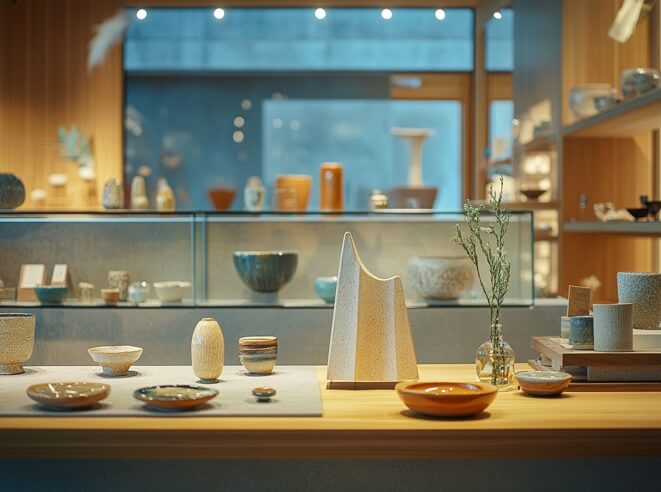
Rotating displays regularly to keep things fresh is crucial when displaying handicrafts in your store. By changing the display layout periodically, you can attract repeat customers and encourage them to explore new products. This strategy not only enhances the shopping experience but also keeps your store looking vibrant and inviting.
Seasonal rotations are an excellent way to refresh your displays. For instance, during spring, you can showcase pastel-colored items and floral-themed crafts that reflect the season’s freshness and renewal. In summer, bright and bold pieces can capture the energy of sunny days, while autumn invites a warm, cozy atmosphere with earthy tones and harvest-inspired designs. Winter displays can feature festive decorations and holiday-themed crafts, creating a magical ambiance for shoppers.
Holiday themes provide another opportunity to captivate your audience. Special occasions like Christmas, Halloween, or Valentine’s Day offer a chance to create themed displays that resonate with customers’ emotions and celebrations. These themed presentations can include limited-edition items or exclusive offers, adding excitement and urgency to the shopping experience.
Featured artist showcases are also an effective way to keep your store dynamic and engaging. By highlighting different artists or artisans on a rotating basis, you introduce customers to unique styles and techniques. This approach not only supports local talent but also gives your store a personal touch. You can organize events such as meet-the-artist sessions or workshops, where customers can interact with the creators and gain insights into the crafting process.
6.Utilize Mirrors and Reflective Surfaces.
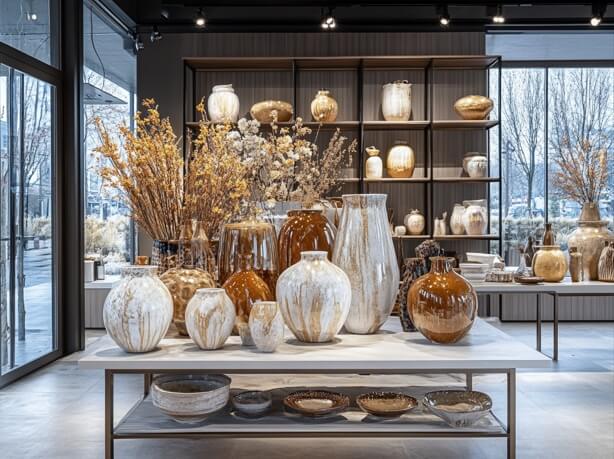
Utilizing mirrors and reflective surfaces is an essential strategy for displaying handicrafts in your store. By incorporating these elements, you can significantly enhance the visual appeal of your space while also optimizing its functionality.
Mirrors and glass surfaces have a unique ability to create an illusion of greater space and increased brightness. When light reflects off these surfaces, it bounces around the room, making the area feel more open and airier. This effect is particularly beneficial for small stores that may otherwise feel cramped or cluttered. For instance, placing a large mirror on one wall can make the room appear twice as big, drawing customers deeper into the space and encouraging them to explore further.
Moreover, reflective surfaces can highlight the craftsmanship and intricate details of the items on display. The way light interacts with these surfaces can draw attention to the textures, colors, and patterns of the handicrafts, allowing customers to appreciate the artistry from multiple angles. Consider positioning mirrors strategically so that they reflect key pieces or areas of your store, creating focal points that attract and engage shoppers.
Additionally, using mirrors and reflective surfaces can help create a more inviting atmosphere. A bright, spacious environment tends to be more welcoming and comfortable for customers, which can lead to longer browsing sessions and potentially higher sales. You might also experiment with different types of reflective materials, such as frosted glass or metallic finishes, to add variety and interest to your displays.
In summary, incorporating mirrors and reflective surfaces into your store’s design can transform how your handicrafts are presented, making the space feel larger, brighter, and more appealing to customers. This simple yet effective technique can significantly enhance the overall shopping experience and showcase your products in their best light.