How to display products in retail stores?
When it comes to showcasing merchandise in retail stores, a well-thought-out layout and display can significantly enhance the shopping experience for consumers and maximize sales opportunities. Here are some essential steps and strategies:
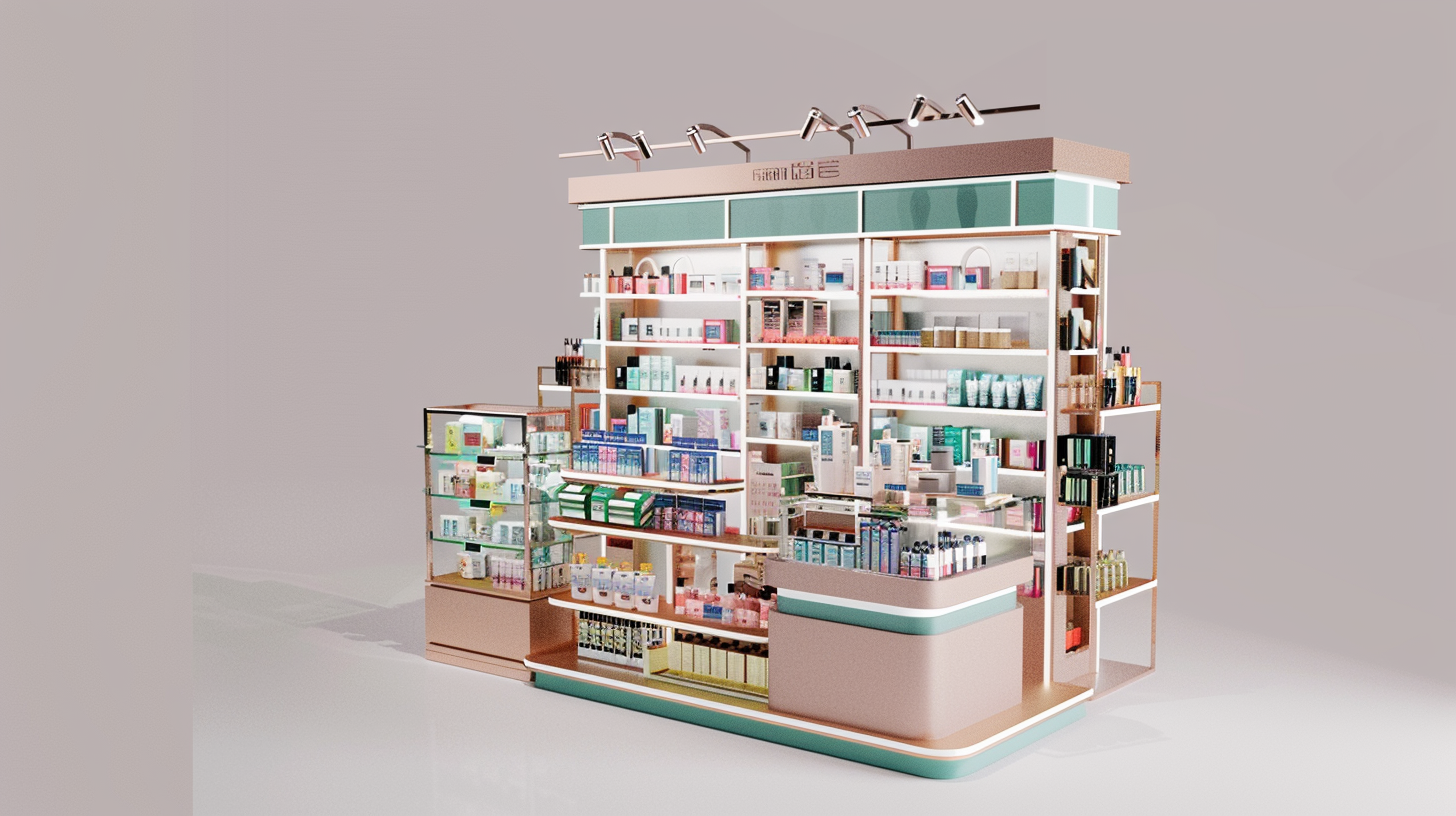
1、Design layout based on customer flow
To further enhance the shopping experience, it is crucial to analyze and understand the movement patterns of customers within a store. By observing their behavior, retailers can strategically position key items along their natural path, ultimately increasing sales and customer satisfaction.
Upon entering a store, customers often tend to glance towards the right side. This instinctive action presents an ideal opportunity for retailers to display prominent products that catch their attention immediately. Placing eye-catching displays or showcasing popular items in this area can effectively capture customers’ interest and encourage them to explore further.
By strategically positioning key items along the natural path of customers, retailers can create a seamless flow throughout the store. This not only enhances convenience but also maximizes exposure for various products or promotions. For instance, placing complementary products near each other allows shoppers to easily find related items and encourages additional purchases.
Moreover, understanding customer movement patterns enables retailers to optimize product placement based on popularity or seasonality. By analyzing data on which areas attract more foot traffic or receive longer dwell times from customers, stores can allocate prime shelf space accordingly.
This ensures that high-demand products are prominently displayed while less popular ones are still accessible but perhaps placed in less prominent locations.
In addition to improving sales performance, analyzing customer movement patterns also provides valuable insights into overall store layout effectiveness. Retailers can identify potential bottlenecks or areas where navigation may be challenging for shoppers by monitoring how they move through different sections of the store.
With this information at hand, necessary adjustments such as rearranging fixtures or widening aisles can be made to improve overall shopping experiences.

2、Categorize displays
One effective way to enhance the overall visual coherence of a product display is by organizing similar items into distinct categories. By grouping products based on their similarities, such as category, usage, price range, or season, retailers can create a more organized and user-friendly shopping experience for consumers.
Categorizing products allows customers to easily locate and compare items within specific groups. For example, in a clothing store, arranging garments according to different categories like tops, bottoms, dresses, and accessories enables shoppers to quickly find what they are looking for without feeling overwhelmed by an unorganized assortment.
This not only saves time but also enhances customer satisfaction.
Moreover, organizing products by usage can be particularly helpful when it comes to certain industries or specialized stores.
For instance, in a hardware store or home improvement center where there are various tools and equipment available for purchase, categorizing them based on their intended use (e.g., plumbing tools versus gardening tools) makes it easier for customers with specific needs to navigate through the store efficiently.
Another useful approach is grouping items by price range. This strategy caters to different budget preferences among consumers and helps them make informed purchasing decisions.
By having clearly labeled sections dedicated to low-cost options or premium products within each category or department of a store’s layout ensures that customers can easily identify which section aligns with their desired spending range.
Additionally, seasonal organization plays an important role in retail displays. Retailers often rearrange their merchandise according to the changing seasons or upcoming holidays.
Grouping relevant products together creates thematic displays that capture the attention of shoppers while making it convenient for them to find seasonal items they may need at any given time.
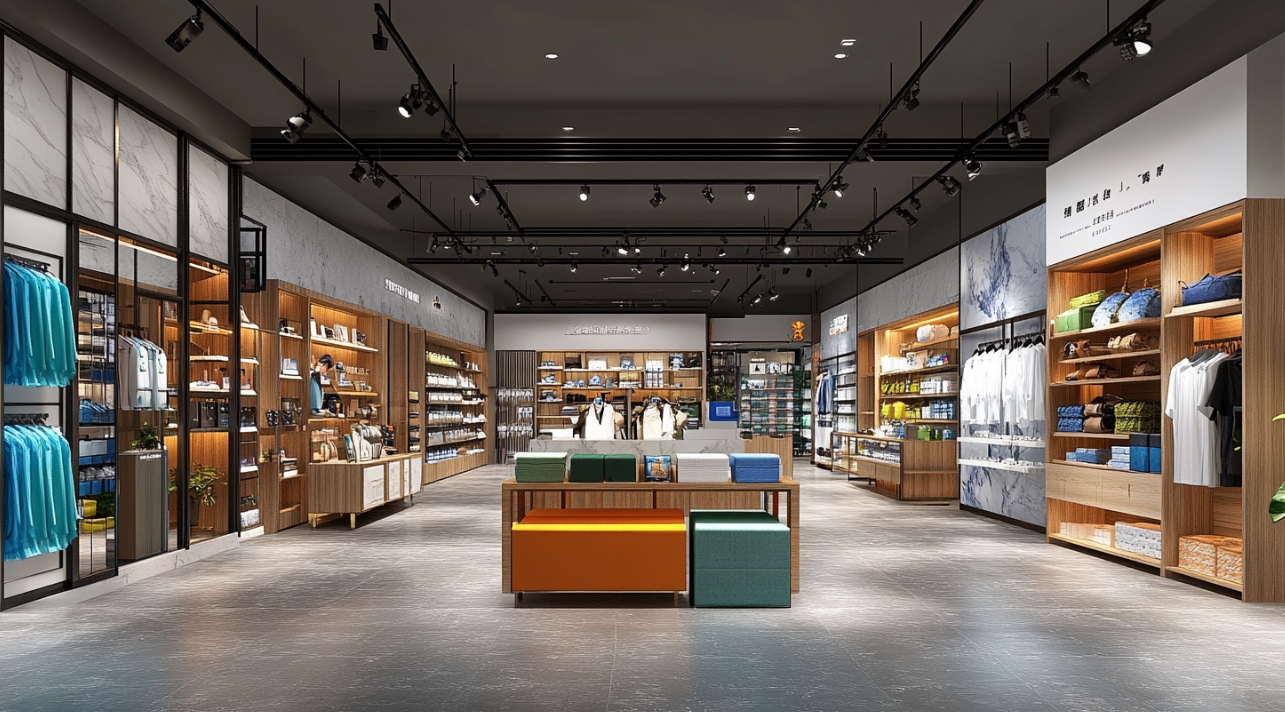
3、Emphasize promotional items
One effective strategy to capture customers’ attention and drive sales is by strategically placing discounted or promotional items in high-traffic areas such as near entrances, checkout counters, or main aisles. By prominently featuring these items, businesses can create a sense of urgency and entice customers to explore the offerings.
When placed near entrances, discounted or promotional items act as an enticing welcome for shoppers. As soon as they step into the store, their eyes are immediately drawn towards these attractive deals. This not only grabs their attention but also sets a positive tone for their shopping experience.
Checkout counters are another prime location to showcase discounted or promotional items. Customers waiting in line often have idle time on their hands and tend to browse through nearby products. Placing eye-catching displays with irresistible offers at the checkout counter can encourage impulse purchases and increase overall sales.
Main aisles serve as pathways that lead customers throughout the store. By featuring discounted or promotional items along these routes, businesses ensure maximum visibility for their special offers. These prominent placements make it hard for customers to miss out on great deals while navigating through different sections of the store.
Moreover, businesses can enhance customer engagement by using creative signage and appealing visuals alongside these featured products. Clear price tags indicating discounts or limited-time promotions help convey value and urgency effectively.
Additionally, utilizing vibrant colors and attractive packaging further enhances the appeal of these showcased items.

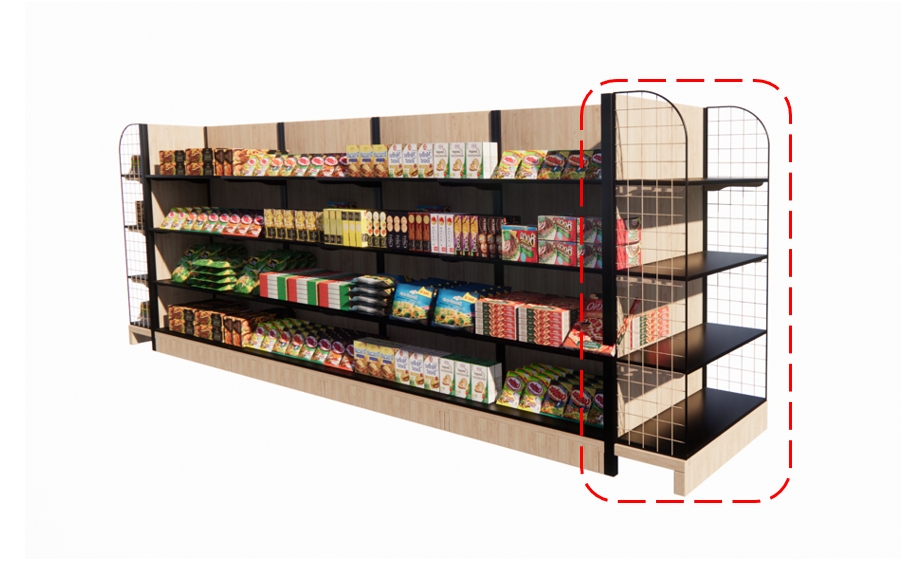
4、Leverage end racks and display stands
The end racks, strategically positioned at both ends of the aisles, are highly valuable areas within a retail store. These prominent spaces effortlessly capture customers’ attention and provide an excellent opportunity for retailers to maximize their sales potential.
One effective way to utilize these prime locations is by showcasing new arrivals. By placing newly launched products on the end racks, retailers can create a sense of excitement and curiosity among customers. This not only increases the chances of impulse purchases but also encourages shoppers to explore other sections of the store.
In addition to displaying new items, the end racks can be used to highlight popular goods that have proven successful among customers. By featuring best-selling products in these high-visibility areas, retailers can further capitalize on consumer preferences and drive sales even higher.
Furthermore, seasonal offerings can be effectively promoted through the end racks. Whether it’s holiday-themed merchandise or seasonal essentials like summer swimwear or winter accessories, utilizing these spaces allows retailers to showcase relevant products during specific times of the year.
This targeted approach helps create a sense of urgency and encourages customers to make timely purchases.
By regularly updating displays on the end racks, retailers can ensure that they remain visually appealing and engaging for shoppers. Eye-catching signage or attractive packaging can further enhance their impact in capturing customer attention.
Overall, leveraging these prime real estate spots at both ends of aisles provides an excellent opportunity for retailers to boost sales by effectively promoting new arrivals, popular goods, and seasonal offerings. With strategic planning and creative merchandising techniques applied consistently over time, businesses can successfully leverage this valuable space within their stores.
5、Strategic product placement
In addition to arranging merchandise according to visual hierarchy, it is also important to consider the target audience and their preferences. By understanding the demographics of customers, retailers can strategically place products that cater specifically to their needs and desires.
For instance, when targeting children as a primary customer base, lower shelves can be reserved for toys, games, and other child-friendly items. This not only makes it easier for young shoppers to access these products but also creates an engaging shopping experience for them.
On the other hand, placing higher-priced or flagship products at eye level ensures that they catch the attention of customers immediately upon entering the store. This strategic placement helps in highlighting premium offerings and encourages potential buyers to explore further.
Moreover, considering seasonal trends or popular demand can further enhance merchandise arrangement. For example, during holiday seasons or special occasions like Valentine’s Day or Mother’s Day, prominently displaying relevant gift items at eye level can attract impulse purchases from shoppers looking for thoughtful presents.
By constantly analyzing sales data and customer feedback on product preferences and purchasing patterns, retailers can continuously optimize their merchandise arrangement strategies. This allows them to create visually appealing displays that effectively guide customers through their shopping journey while maximizing sales opportunities.
Overall, by carefully considering visual hierarchy along with factors such as target audience preferences and market trends, retailers can create an enticing shopping environment that enhances customer satisfaction while driving business growth.
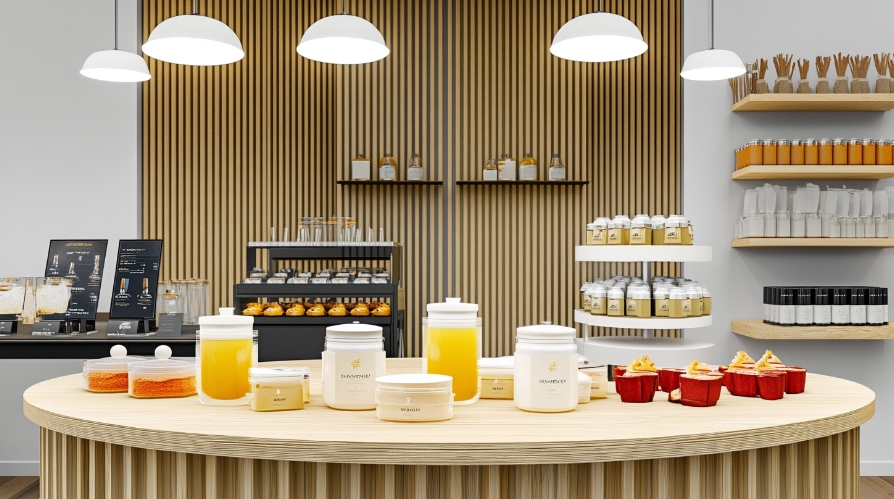
6、Optimize space utilization
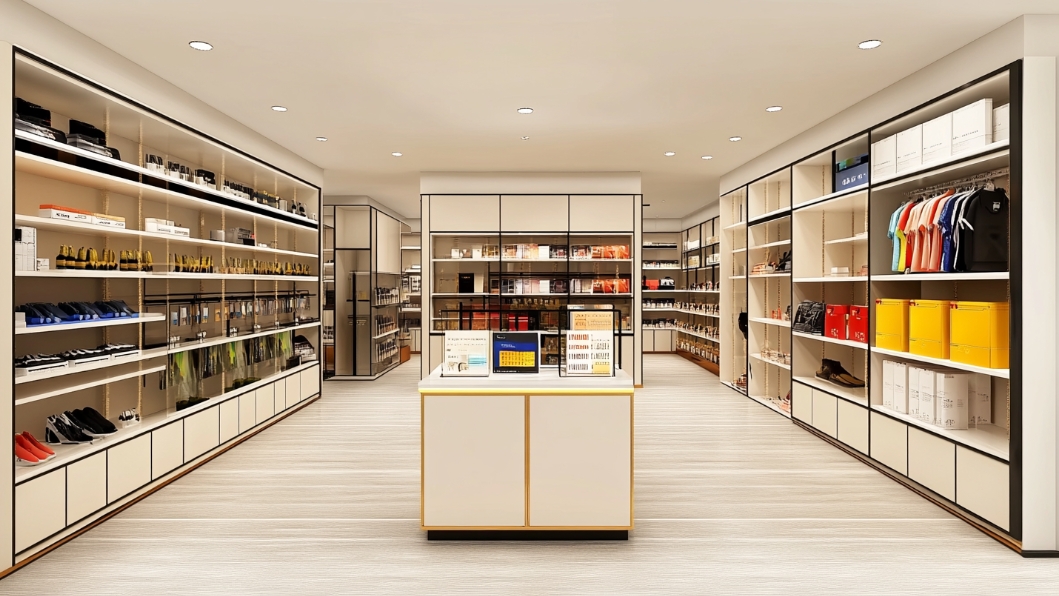
To maximize the utilization of space in a retail store, it is essential to employ various tools and techniques strategically. By incorporating hooks, shelves, baskets, and other display tools effectively, retailers can optimize wall space, floor area, and even air space.
Hooks are versatile additions that can be used to hang products such as clothing items or accessories. They not only save valuable floor space but also provide an organized and visually appealing display. By utilizing different sizes and styles of hooks, retailers can create a dynamic presentation that catches the customers’ attention.
Shelves play a crucial role in maximizing both wall and floor space. With well-designed shelving units placed strategically throughout the store, retailers can showcase a wide range of products while keeping them easily accessible for customers. Adjustable shelves allow for flexibility in displaying merchandise of varying sizes or changing product assortments.
Baskets offer another effective solution for optimizing available space. Placed on countertops or hung from walls using hooks or brackets, baskets provide additional storage options without occupying much floor area. These versatile containers are ideal for organizing smaller items like cosmetics or stationery while adding visual interest to the overall store layout.
In addition to these practical solutions, retailers should consider utilizing other display tools such as mannequins or racks specifically designed for showcasing specific types of merchandise like shoes or handbags. These specialized displays not only enhance product visibility but also contribute to creating an immersive shopping experience for customers.
By employing clever strategies with hooks, shelves, baskets, and other display tools in a retail store setting,retailers can make efficient use of available spaces while ensuring an attractive shopping environment that encourages customer engagement and maximizes sales potential.
7、Maintain cleanliness and organization
To maintain an organized and visually appealing store environment, it is essential to ensure that all displayed goods are neatly arranged without any cluttered appearance. This not only enhances the overall shopping experience for customers but also facilitates easy navigation within the store.
Regularly adjusting item positioning is another crucial aspect of visual merchandising. By doing so, empty spaces can be effectively eliminated, creating a more cohesive and balanced display. This practice helps maximize the use of available space while ensuring that every product receives adequate attention from shoppers.
Moreover, by regularly assessing and adjusting item positioning, retailers can optimize their sales potential. Placing popular or high-margin items in prominent locations can attract customer attention and encourage impulse purchases. On the other hand, strategically rearranging slower-selling products may help increase their visibility and boost sales.
In addition to eliminating empty spaces, maintaining a clean and well-organized store layout also contributes to efficient inventory management. With clearly defined areas for different product categories or brands, staff members can easily locate items when restocking or assisting customers with inquiries.
Overall, prioritizing neatness and regular adjustments in item positioning not only creates an aesthetically pleasing shopping environment but also improves operational efficiency within the store. By continuously striving for excellence in visual merchandising practices, retailers can enhance customer satisfaction while maximizing sales opportunities.