
How to display toys in retail store?
In the magical world of retail, captivating toy displays are the keys to unlocking customers’ hearts and wallets. Let’s explore six essential ways to display toys effectively.

1.Create a Visual Focus.
An engaging and well-designed display can significantly enhance customer experience and drive sales. To achieve this, start by establishing a central, eye-catching display that immediately draws attention. This focal point should be strategically placed at the entrance or in a high-traffic area of the store to maximize visibility.
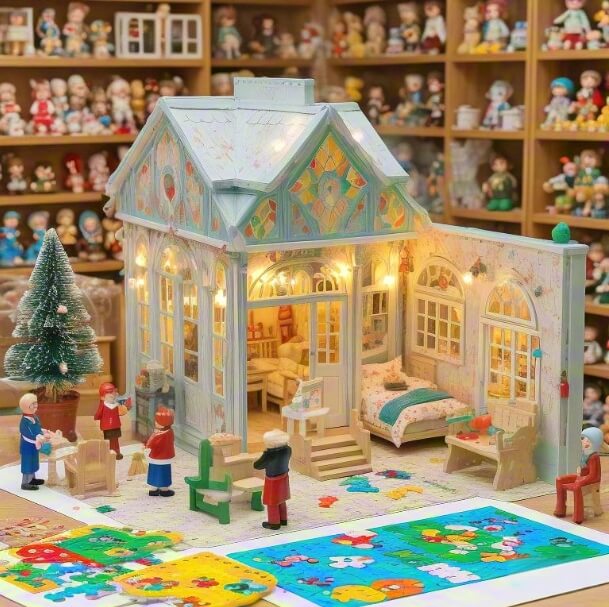
For instance, placing large, popular, or newly released toys at the center of the display can create an immediate impact. During the holiday season, consider showcasing a big, illuminated dollhouse. The bright lights and intricate details of the dollhouse can captivate both children and adults, drawing them into the store. Surrounding this centerpiece with smaller, related items such as doll furniture, accessories, and themed decorations can further enhance the visual appeal. This arrangement not only creates a cohesive and inviting scene but also encourages customers to explore more products.
Moreover, using thematic displays can add an extra layer of engagement. For example, during Halloween, you could set up a spooky-themed playset with matching costumes and props. Or, for a summer promotion, feature beach-themed toys like sandcastles, inflatable pools, and water guns. These seasonal and event-driven displays can resonate with customers and make shopping more enjoyable.
Additionally, incorporating interactive elements into the display can increase customer interaction. For example, setting up a small play area where children can interact with the toys can help parents envision how their kids would enjoy the products. This hands-on experience can lead to higher purchase intent.
By creating a visually appealing and immersive environment, retailers can effectively guide customers through the store, encouraging them to discover additional products. This approach not only increases the likelihood of impulse purchases but also enhances overall customer satisfaction.
2.Utilize Display Racks Wisely.
Display racks are not just pieces of furniture, they are invaluable tools that can significantly enhance the shopping experience and boost sales. By carefully selecting and arranging the right types of display racks, retailers can create an inviting and organized environment that appeals to both children and adults.
For action figures, tiered racks are particularly effective. These racks allow each level to showcase a specific series or collection, making it easier for enthusiasts to find what they are looking for. Place the most popular and sought-after figures at eye-level, as this is where customers’ attention naturally gravitates. This strategic placement can increase visibility and encourage impulse purchases. Additionally, consider using clear signage to indicate which series or characters are featured on each level, further assisting customers in their search.
When it comes to board games, open-shelf racks are ideal. These racks provide ample space for displaying a wide variety of games, allowing customers to easily browse through different options. Organizing the games by theme or age group can greatly enhance the shopping experience. For example, you might have one section dedicated to family-friendly games, another for strategy enthusiasts, and yet another for younger children. This categorization helps customers quickly locate games that suit their preferences and needs. Furthermore, placing demo versions or rule books nearby can provide valuable information and encourage interaction, potentially leading to more informed purchasing decisions.
In addition to these specific rack types, it’s important to consider the overall layout of the store. Ensure that there is enough space between racks for easy navigation, especially for parents with strollers or carts.

3.Group by Themes and Age Groups.
Grouping toys by themes and age groups is an essential strategy for optimizing toy displays in retail stores. This approach not only enhances the shopping experience for customers but also increases the likelihood of sales. By organizing toys into specific categories, retailers can create a more intuitive and engaging environment that caters to both parents and children.
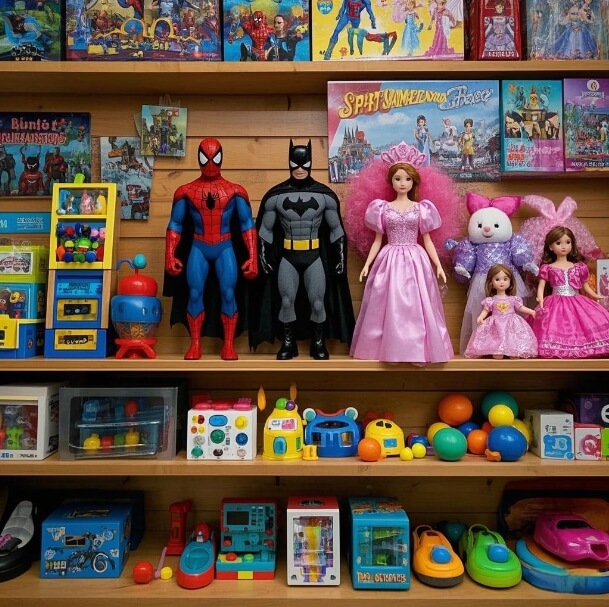
When grouping toys by themes, it’s important to consider popular and enduring interests. For example, superhero-themed toys can attract fans of iconic characters like Spider-Man, Batman, or Wonder Woman. These sections often feature action figures, costumes, and playsets that allow children to immerse themselves in their favorite stories. Similarly, princess-themed areas can showcase dolls, dress-up clothes, and accessories inspired by beloved fairy tales and animated films. Educational themes are equally important, offering items such as puzzles, learning games, and STEM (Science, Technology, Engineering, and Mathematics) kits that promote cognitive development and problem-solving skills.
In addition to thematic organization, segregating toys by age groups ensures that products are accessible and appropriate for different developmental stages. For infants and toddlers, safety is paramount. The baby section should include soft, colorful rattles, plush toys, and sensory items placed at lower levels where little hands can easily reach them. These toys are designed to stimulate early learning through touch, sound, and visual appeal.
As children grow older, their interests and abilities expand. The pre-school area can feature interactive toys that encourage creativity and motor skills, such as building blocks, art supplies, and musical instruments. For older children, particularly pre-teens, the display can highlight more advanced and challenging items. Science kits, model – building sets, and electronic gadgets can be positioned at higher, more accessible heights, allowing these young shoppers to view and reach for them independently, fostering a sense of exploration and discovery.
4.Use Interactive Displays.
In today’s retail environment, the use of interactive displays for toys is not just important; it is essential. Toys are designed to be played with and experienced, making them unique products that benefit greatly from hands-on interaction. By setting up interactive areas within the store, retailers can create an engaging and memorable shopping experience for both children and parents.
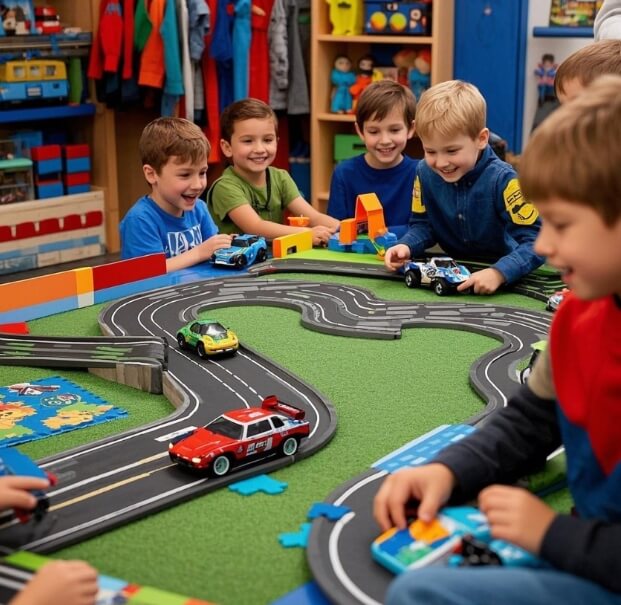
For instance, consider creating a dedicated space where kids can test remote-control cars on a specially designed track. This allows children to fully experience the toy’s capabilities, such as speed, maneuverability, and responsiveness. The excitement generated from this hands-on activity can significantly enhance the overall shopping experience. Children become more invested in the product, which in turn increases the likelihood of a purchase.
Moreover, interactive displays serve as effective demonstration tools. They allow parents to observe firsthand how their children interact with the toys, providing reassurance about the toy’s quality and suitability. Parents are often influenced by their children’s reactions and enjoyment levels when making purchasing decisions. When they see their kids having fun and learning through play, they are more inclined to buy the product.
Additionally, incorporating interactive elements into toy displays can help differentiate a store from its competitors. In a crowded retail market, offering unique and engaging experiences sets a store apart and encourages repeat visits. Retailers can also consider other interactive setups, such as puzzle-solving stations or role-playing areas, depending on the types of toys available.
5.Incorporate Signage.
Incorporating effective signage is absolutely essential for optimizing toy displays in retail stores. Clear and well-designed signage serves multiple purposes that significantly enhance the shopping experience for customers.
Firstly, clear signage acts as a visual guide through the store, helping shoppers navigate the aisles effortlessly. For toy sections, this means clearly labeling different categories such as action figures, dolls, educational toys, and outdoor play equipment. This organization not only makes it easier for parents to find what they’re looking for but also encourages browsing and discovery of new products.
Secondly, signage plays a crucial role in highlighting special offers and promotions. A strategically placed sign that reads “New! Limited-edition building blocks” can immediately capture the attention of both children and adults. Such signs create a sense of urgency and exclusivity, which can drive impulse purchases. Retailers can also use colorful banners or eye-catching displays to promote seasonal items or holiday-themed toys.
Moreover, signage can provide valuable information about the toys on display. For instance, a sign explaining how a particular puzzle helps with cognitive development can be incredibly useful for parents who are looking for educational toys. By including details such as age recommendations, skill levels, and learning benefits, retailers can guide customers in making informed purchasing decisions. This approach not only builds trust with the customer but also adds value to the shopping experience.
Additionally, storytelling through signage can create an emotional connection between the product and the shopper. For example, a sign that describes the history behind a classic toy or the innovative design process of a new item can make the product more appealing. This narrative element can help differentiate a toy from its competitors and give customers a reason to choose one brand over another.
6.Maintain a Neat and Tidy Display.
Maintaining a neat and tidy display is crucial for toy displays in retail stores. An organized and visually appealing presentation not only enhances the shopping experience but also plays a significant role in attracting and retaining customers. A messy or disorganized display can create a negative impression, potentially causing customers to lose interest and choose a different store.
To ensure an inviting and attractive display, it is important to regularly tidy up the toys. This involves placing items back in their designated spots, ensuring that packaging remains intact and undamaged, and removing any items that may be broken or defective. By doing so, you create a clean and organized environment that reflects positively on the store’s overall management.
A well-arranged toy display can also help customers easily locate the products they are looking for. Grouping toys by category, age range, or theme can make the shopping process more convenient and enjoyable. For example, placing all educational toys together or organizing seasonal items in a prominent area can guide customers through the store more efficiently.
Additionally, maintaining a tidy display helps prevent safety hazards. Loose or scattered toys can pose tripping risks, especially in areas where children are present. Ensuring that aisles are clear and toys are properly displayed contributes to a safer shopping environment for both customers and staff.
In summary, a neat and tidy toy display is essential for creating a positive shopping experience. It not only boosts customer confidence in making purchases but also reflects the store’s commitment to quality and organization. By prioritizing regular maintenance and organization, retailers can enhance customer satisfaction and encourage repeat visits.

In conclusion, by following these six steps, retailers can create an inviting and engaging toy display that will boost sales and bring joy to both kids and parents.