
How to install the store fixtures?
The installation process of a shop is a complex and intricate procedure that requires careful planning and execution. It involves various steps, and effectively organizing the relevant tasks is a crucial concern for all shop owners. The following are some insights to share: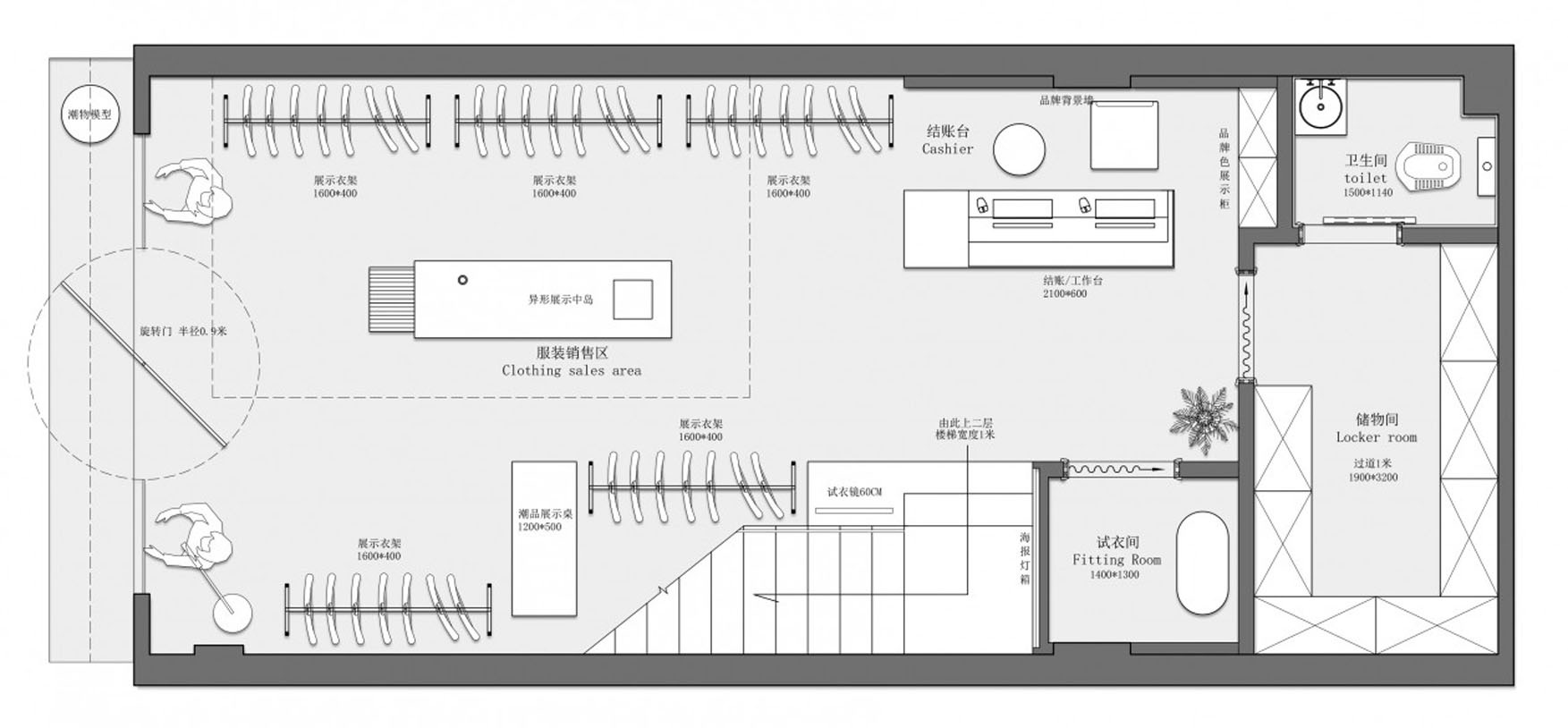 1. Check the model and qty
Upon receiving the store fixtures, it is crucial to ensure a thorough and meticulous inspection of both the model and quantity of the products. This step holds utmost importance, especially when dealing with large display units.
By assigning dedicated personnel to this task, any potential issues such as missing or incorrect items can be promptly identified and addressed.
The inspection process should involve carefully cross-checking each received item against the corresponding order details. This includes verifying that the correct models have been delivered in the specified quantities. Attention should also be given to any specific requirements or customization requested for certain fixtures.
In addition to checking for accuracy, it is equally important to assess the overall condition of each fixture upon arrival. Inspecting for any signs of damage or defects. Any discrepancies or concerns discovered during this stage should be immediately reported to relevant parties involved in order resolution.
By conducting a comprehensive examination at this early stage, potential disruptions in store operations can be minimized. It allows for timely communication with suppliers regarding any necessary replacements or adjustments required before proceeding with installation and setup.

2. Professional installation team
To ensure a smooth and efficient installation process, it is very important to make arrangements for professional installation team in advance.
By prearranging proficient installation personnel, you can confirm the installation time and location with them ahead of time. This not only helps in avoiding any scheduling conflicts but also allows the installers to plan their work accordingly.
In addition to confirming the logistics, it is equally important to provide the installers with a comprehensive list of products that are slated for installation. This detailed inventory will enable them to adequately prepare all the necessary tools and equipment required for each specific product.
By having this information beforehand, they can ensure that they have everything they need on hand, saving valuable time during the actual installation process.
Moreover, sharing a comprehensive list of products with the installers also allows them to familiarize themselves with each item’s specifications and requirements. They can review any special instructions or guidelines related to individual products before arriving at the installation site.
This preparation ensures that they are fully equipped with knowledge about each product’s unique features or potential challenges that may arise during installation.

3. Store sizing
To ensure the smooth installation of products in the store, it is crucial to thoroughly verify and confirm the actual dimensions of the store space. This involves conducting precise measurements and comparing them with the required dimensions for product installation.
In case any discrepancies arise, it is essential to promptly address these issues by devising appropriate solutions.
In addition to verifying store sizing, determining an efficient store layout is equally important. By carefully planning and organizing the placement of display units, retailers can optimize their use of space and create a visually appealing environment for customers.
The process involves considering factors such as customer flow, product categories, and promotional areas.
When determining the model and corresponding quantities of display units needed, retailers should take into account various aspects such as product types, sizes, weights, and marketing strategies.
By understanding these factors comprehensively, retailers can select suitable display unit models that not only accommodate different merchandise but also enhance visual merchandising efforts.
4. Batch and sub-assembly
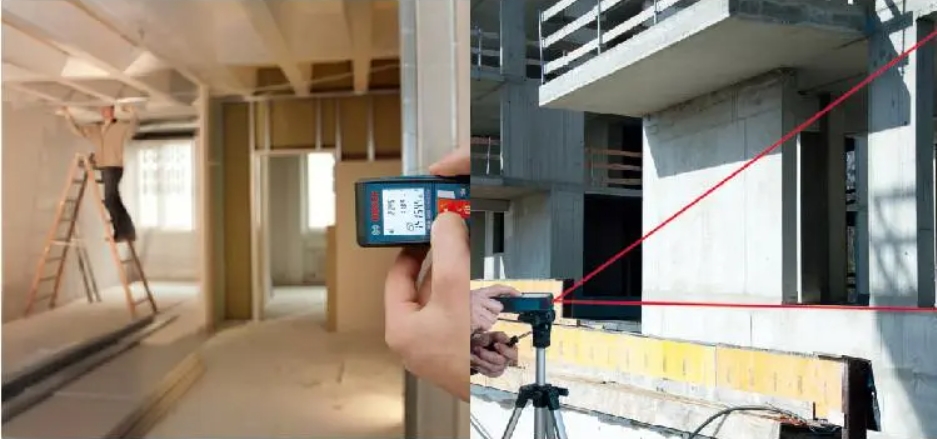
To optimize spatial planning during installation while safeguarding uninstalled products, it is advisable to conduct installations in batches. This approach allows for efficient utilization of resources and minimizes the risk of damage or loss to uninstalled components.
By dividing the installation process into batches, one can prioritize certain tasks based on their complexity or dependencies. For example, starting with wall-mounted components ensures that these foundational elements are securely in place before moving on to more intricate assemblies like gondola.
Furthermore, conducting installations in batches enables better coordination among team members. Each batch can be assigned to a specific group or individual responsible for its completion, ensuring clear accountability and streamlined workflow.
This not only enhances efficiency but also reduces the chances of errors or miscommunication during the installation process.
In addition to optimizing spatial planning and resource allocation, performing installations in batches offers logistical advantages as well. It allows for better inventory management by keeping track of installed and uninstalled products separately.
This facilitates easier identification of any missing or defective items and enables timely replacements without disrupting the entire installation project.
5. Secure fixation of display stands
Following completion of all display shelf installations, it is crucial to ensure their proper alignment along a horizontal axis. This not only enhances the overall aesthetic appeal but also ensures that customers can easily browse and access the displayed items without any inconvenience.
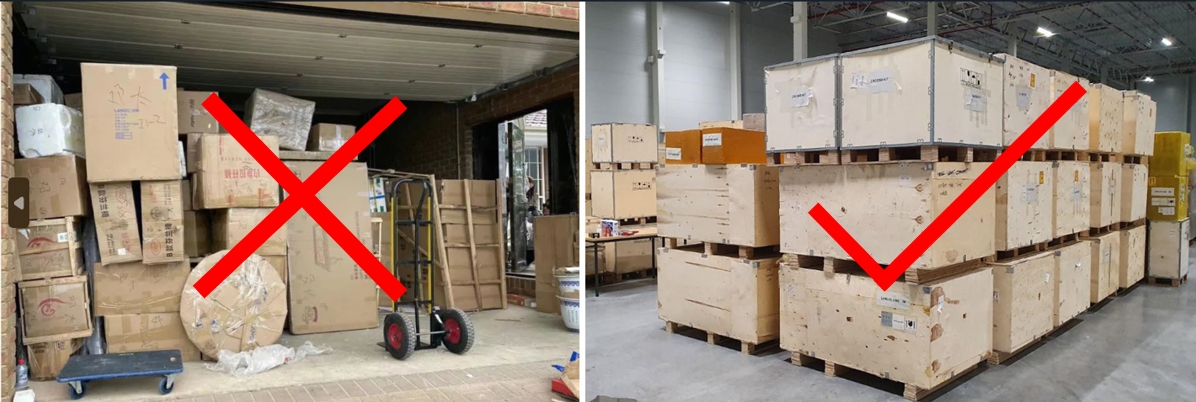
To further enhance stability against external forces, it is recommended to securely affix wall-mounted displays using screws. By doing so, we can minimize the risk of accidental displacement or falling, providing a safe shopping environment for both customers and employees.
In addition to wall-mounted displays, it is important to pay attention to higher gondola or similar structures fixed onto floors.
To reinforce their stability and prevent potential collapse, employing L-shaped iron sheets as an additional measure proves effective. These iron sheets act as sturdy supports that provide extra strength and durability.
By implementing these measures during the installation process, we prioritize safety and ensure that our display shelves are not only visually appealing but also reliable in withstanding various external forces.
This meticulous approach guarantees a pleasant shopping experience for our valued customers while maintaining a secure retail environment.
6. Enhanced electrical fittings and lighting installation
To ensure electricity consumption safety, it is essential to prearrange the direction of the power cord. This not only prevents potential hazards but also ensures that the power supply is efficiently distributed throughout the display area. By carefully planning the placement of power cords, one can minimize any risks associated with electrical connections.
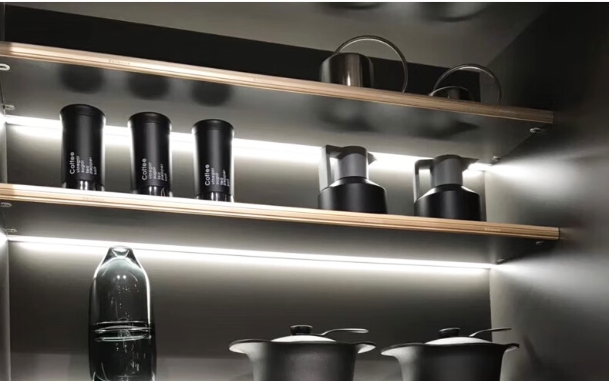
Moreover, strict adherence to the installation instructions provided by manufacturers is paramount when installing LED lights in designated positions on store fixtures. Following these guidelines guarantees proper usage and functionality of these lighting fixtures while maintaining their longevity.
By incorporating LED lights into display units, businesses can effectively highlight their products’ features and create an attractive visual impact for customers. The bright illumination provided by LEDs enhances product visibility, making them more enticing to potential buyers.
Furthermore, LED lights offer numerous advantages over traditional lighting options. They are energy-efficient, consuming significantly less electricity while providing brighter illumination. This not only helps reduce operational costs but also contributes towards environmental sustainability.
In addition to enhancing product visual appeal through improved lighting installations, businesses should also consider other factors such as color temperature and light intensity when selecting suitable LED bulbs or strips for their displays.
These considerations help create a harmonious ambiance that complements both the products being showcased and the overall theme of the space.
7. Adjustments and testing for optimal performance
After the initial installation of store fixtures, it is crucial to make necessary adjustments and conduct thorough testing to achieve optimal performance. This process involves evaluating various aspects such as functionality, appearance, and stability to ensure that the fixtures meet all store display requirements.
To begin with, functionality testing focuses on assessing how well the store fixtures perform their intended purpose.
This includes checking if they can effectively hold and showcase products without any issues or limitations. It also involves examining features like adjustable shelving heights or lighting options to guarantee smooth operation and ease of use for store staff.
Moreover, appearance testing plays a significant role in creating an appealing visual experience for customers. It entails scrutinizing factors such as color coordination, design aesthetics, and overall presentation of the displayed items.
By ensuring that the shelves are visually attractive and aligned with the store’s branding guidelines, businesses can enhance their chances of attracting potential buyers.
Stability testing is equally important as it ensures that the store fixtures are secure and reliable. This evaluation involves subjecting them to different stress tests by applying pressure or simulating real-life scenarios where heavy loads may be placed on them.
The goal is to verify that these store fixtures can withstand varying weights without compromising safety standards or risking damage to both products and customers.