How to Open a colorful Toy Store?
Opening a colorful toy store is a wonderful way to attract families, especially children, and create a vibrant, engaging shopping experience. The key is to design a space that is visually stimulating, fun, and interactive, all while organizing products effectively. Here are some essential steps to help you open a colorful toy store:

1.Design a Bright and Playful Store Layout.
The first step in creating an engaging and colorful toy store is to design an inviting, playful layout that captures the imagination of both children and adults. A well-thought-out layout can significantly enhance the shopping experience and make the store a memorable destination for families.
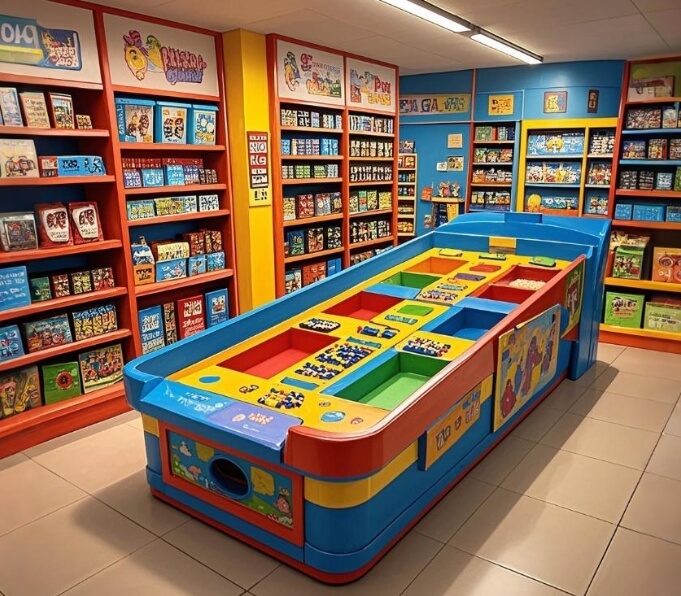
Start by selecting bright, bold colors that are visually stimulating and appealing to children. Colors like red, yellow, blue, and green not only attract attention but also evoke positive emotions and energy. These colors can be used consistently throughout the store, from walls and floors to ceilings, creating a cohesive and vibrant atmosphere. For example, you could paint one wall in a gradient of blues and greens to mimic an underwater scene, or use bright yellows and oranges to create a warm, sunny feel.
In addition to painting, consider using colorful decals and murals featuring popular cartoon characters or iconic toys. This adds an extra layer of excitement and interactivity for young visitors. Imagine walking into a store where the ceiling is painted with a sky full of flying superheroes, or where the walls are adorned with life-sized images of beloved animated characters. Such decorations can transform the space into a magical world that children will love exploring.
To further enhance the playful atmosphere, incorporate themed areas within the store. For instance, you could create a “space exploration” zone with rocket-shaped shelves and starry backgrounds, or a “fantasy forest” area with tree-like displays and soft lighting. These themed sections not only provide variety but also encourage imaginative play, making the shopping experience more enjoyable for kids.

2.Incorporate Fun and Interactive Display Racks.
To maintain the playful atmosphere, it’s important to choose display racks that are as engaging and entertaining as the toys themselves. The right choice of shelves and displays can significantly enhance the shopping experience for both children and adults.
When selecting display racks, opt for those that are vibrant and unconventional. Brightly colored and uniquely designed racks not only attract attention but also create an inviting environment. For instance, tiered racks allow customers to easily browse through different types of toys at various levels, while rotating racks provide an interactive element that encourages exploration. These dynamic displays can make the shopping experience more enjoyable and memorable.
Moreover, consider using themed display racks that align with the toys being sold. Racks shaped like animals, balloons, or building blocks can make the toys stand out even more and add to the overall fun environment. A rack shaped like a giraffe could showcase plush toys, while one resembling a castle could highlight dolls or action figures. Such creative designs not only catch the eye but also spark imagination.
Additionally, incorporating elements like mirrors or lights into the display racks can further enhance the visual appeal. Mirrors can create the illusion of a larger space, making the store feel more open and airy, while soft lighting can highlight specific products, drawing customers’ attention to them.
By carefully selecting fun and interactive display racks, you can create a toy store that not only sells products but also offers an immersive and delightful experience for all visitors. This approach ensures that the store remains a favorite destination for families looking for quality playtime items.

3.Feature a Window Display to Capture Attention.
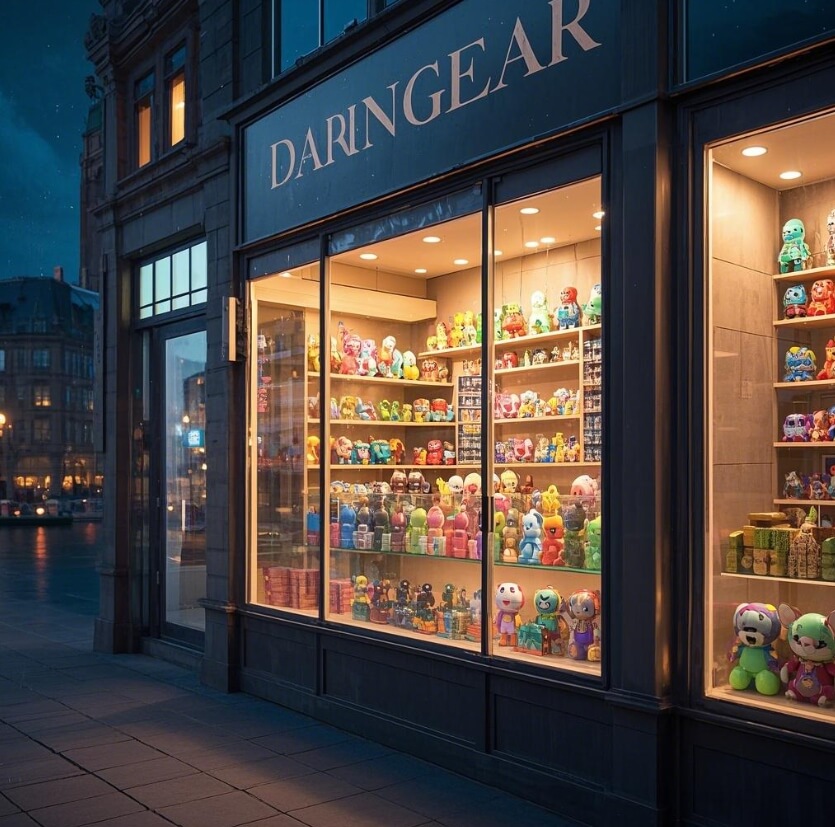
Your storefront window serves as the very first impression for potential customers, and it plays a significant role in enticing them to enter your store. Therefore, it is essential to make it bold, vibrant, and inviting. To create an engaging window display, consider incorporating various elements that will capture attention. Mannequins can be dressed in playful outfits or holding popular toys, showcasing how the products can be used and enjoyed.
Bright signage with catchy phrases or fun graphics can draw people’s eyes and communicate the essence of your store. For example, you could use large, colorful letters spelling out “Welcome to the World of Toys” or “Unleash Your Imagination.” Additionally, using eye-catching displays can highlight your best-selling or most unique toys. Arrange these items in creative ways, such as setting up a miniature playground or creating themed scenes that tell a story.
This not only showcases the toys but also creates an immersive experience for passersby, making them more likely to stop and explore further. Proper lighting is another important aspect of a successful window display. Well-lit windows can enhance the colors and details of the toys, making them appear even more appealing. Consider using spotlights to highlight specific products or areas within the display. Soft, warm lighting can create a cozy and inviting atmosphere, while brighter lights can add excitement and energy.
Moreover, keeping your window display fresh and updated regularly is key to maintaining customer interest. Changing the theme or layout every few weeks can give your store a new look and keep it exciting for both new and returning customers. You could align your displays with holidays, seasons, or popular trends to stay relevant and attract a wider audience.
4.Create Play Zones and Interactive Areas.
A toy store serves as more than just a retail space; it’s an immersive playground that brings joy and excitement to children. Recognizing the importance of play in child development, establishing dedicated play zones and interactive areas within the store can significantly enhance the shopping experience for both children and parents.
Firstly, let’s consider the psychology behind play. Children learn through exploration and interaction with their environment. By setting up designated play zones, you provide them with a safe and stimulating space where they can freely engage with various toys. For instance, puzzle stations can help develop problem-solving skills, while board game corners encourage social interaction and strategic thinking. Plush animal displays offer comfort and companionship, fostering emotional connections.
Moreover, incorporating colorful and visually appealing play areas not only attracts children but also creates a welcoming atmosphere. Bright colors and engaging designs stimulate young minds, making the store a memorable destination. Imagine walking into a toy store where vibrant murals depict fantastical worlds, and themed play areas transport kids to different realms – from pirate ships to fairy tale castles. These immersive experiences keep children entertained and engaged, increasing the likelihood of longer visits and ultimately boosting sales.
Additionally, interactive areas can serve as educational hubs. Partnering with local schools or community organizations, you can organize workshops and events that combine fun with learning. For example, hosting craft sessions or storytelling hours can introduce children to new activities while promoting creativity and literacy. Such initiatives strengthen the bond between the store and its community, positioning it as a valuable resource for families.