
How to Successfully Open a Lifestyle Retail Store?
Opening a lifestyle retail store rewards careful planning to stand out competitively. A smart layout, scientific display fixtures, and clear signage—beyond aesthetics—directly boost customer experience, efficiency, and sales. This guide explores these three essentials to help you create a space that attracts, engages, and retains shoppers.
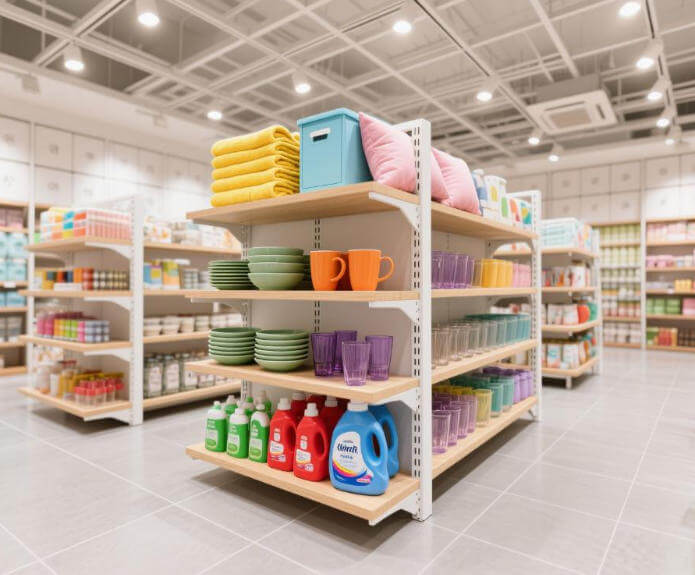
1.Optimized Store Layout: Guiding Flow and Enhancing Navigation
The layout of your store plays a critical role in shaping the customer’s journey. An effective layout ensures smooth traffic flow, reduces congestion, and encourages shoppers to explore more products, ultimately increasing the likelihood of purchases.
The first step is designing an intuitive customer pathway. Entrances should be inviting, well-lit, and spacious enough to avoid bottlenecks. A clutter-free entry area not only makes a positive first impression but also accommodates promotional stands or seasonal displays. It’s also important to plan for peak hours; ensure there is ample room for customers to enter and exit comfortably without interfering with each other.
Zoning is another crucial element. Divide your store into clearly defined sections based on either customer demographics or product categories. For instance, you might create dedicated zones for men’s grooming products, women’s accessories, children’s toys, and baby care essentials. Alternatively, organizing by product type—such as kitchenware, health supplements, tech gadgets, or snacks—can help customers locate items faster. A logical spatial arrangement enhances navigability and reinforces your store’s professionalism.
Checkout counters should be positioned at the rear or along the exit path to naturally guide customers toward making a purchase. This area must be efficient and pleasant: provide adequate space for queuing, ensure clear visibility of the counter from anywhere in the store, and maintain bright, welcoming lighting. A well-designed checkout experience can reduce perceived wait times and leave a lasting positive impression.
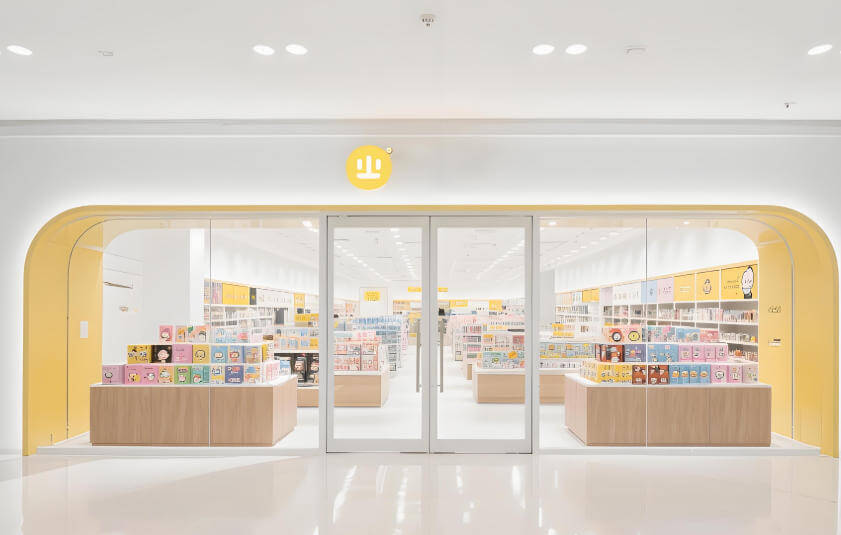
2.Strategic Display Fixtures: Maximizing Impact and Space
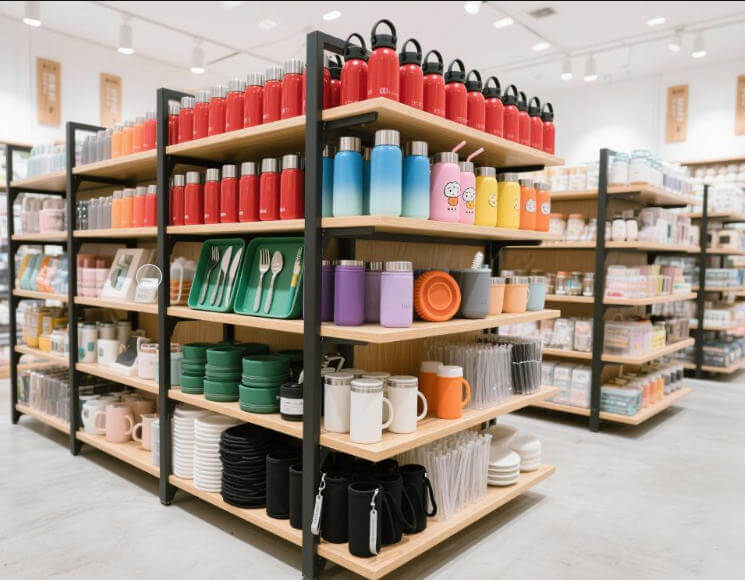
Display fixtures are more than just functional furniture—they are powerful tools for storytelling and visual merchandising. The right displays can highlight products, create ambiance, and stimulate impulse buys.
Wall displays should capitalize on vertical space. Install adjustable shelving to accommodate items of varying sizes, from large household goods to small daily necessities. Using vertical space efficiently not only increases storage capacity but also makes the store appear organized and spacious.
Island displays serve as focal points in open areas. These must be sturdy, stable, and safe—especially in high-traffic zones where accidents might occur. Incorporate built-in LED lighting under shelves to draw attention to featured or high-margin products. Illuminated displays are particularly effective for highlighting new arrivals or promotional items.
Don’t overlook structural elements like columns. Instead of treating them as obstacles, transform them into advantages. Add slatwall panels or hanging systems to display accessories, or use custom-built shelves around columns to showcase specialty products. You can also mount LED poster boxes or decorative mirrors to add depth and vibrancy to the space.
When selecting display accessories, consider both functionality and aesthetics. Acrylic trays and stands are perfect for creating clean, modern displays for cosmetics or small gadgets. Wooden crates or display boxes can introduce a rustic or premium feel, ideal for artisanal products or organic goods.
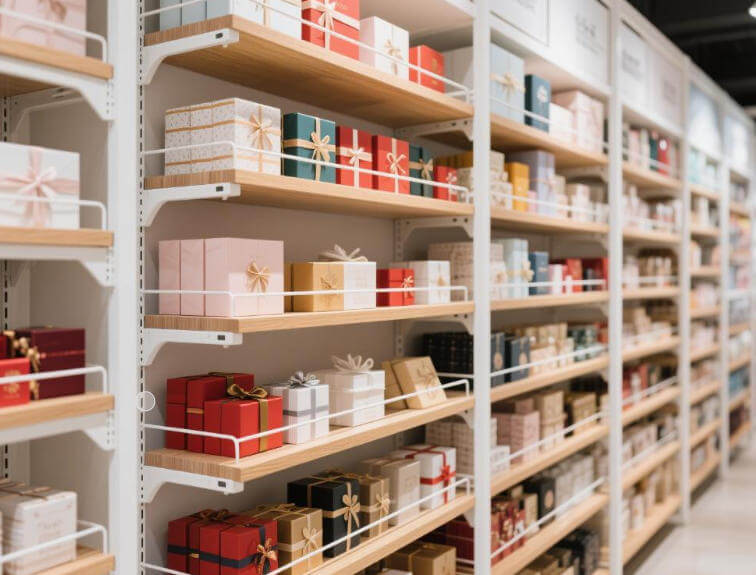
3.Effective Signage: Communicating Clearly and Driving Sales
Signage is a silent salesperson. It guides, informs, and persuades customers, making it an indispensable part of retail design.
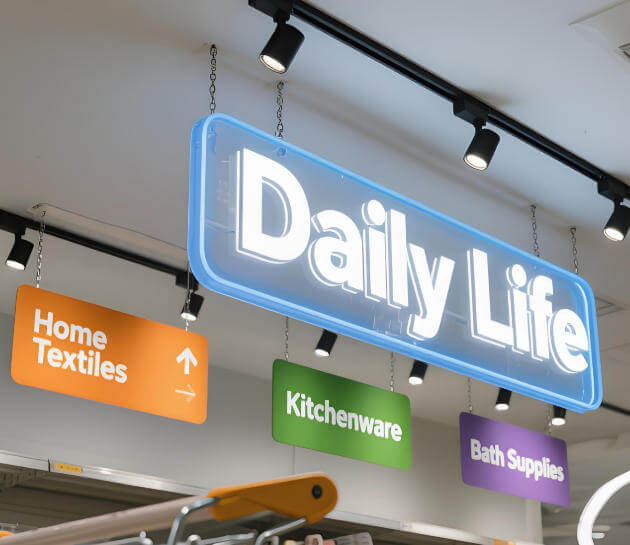
Use hanging signs or ceiling-mounted indicators to label different sections—for example, “Skincare,” “Electronics,” “Organic Foods.” These should be consistent in style, easy to read, and placed high enough to be visible from anywhere in the store.
At the product level, employ shelf tags, LED lightboxes, or digital displays to highlight promotions, prices, and key features. Well-designed point-of-purchase (POP) signage can significantly boost impulse purchases. Keep messaging concise and benefit-oriented.
Don’t forget practical signs such as directional arrows, promotional rules, or checkout instructions. Consistency in fonts, colors, and logos strengthens brand identity and helps customers feel familiar and confident in your store.
Conclusion
A successful retail store blends art and science: the art of creating an inviting atmosphere and the science of driving conversions through smart design. By optimizing your store layout for flow and functionality, using displays to maximize product appeal, and implementing clear and attractive signage, you will not only improve the customer experience but also build a foundation for sustained growth and competitiveness.
Whether you’re entering the market for the first time or looking to redesign an existing store, these strategies will help you create a retail environment that customers love—and keep coming back to.