
Simplified Guide to Launching a Successful Professional Clothing Store
Ever dreamed of turning hangers into happiness? Unlock the code to launching your dream clothing store with 5 make-or-break essentials—your roadmap to fashion success starts here!

1.Niche Down Like a Pro: Your Brand’s North Star.
In a $3 trillion global fashion market flooded with generic brands, niching down is your survival strategy. Modern consumers don’t just buy products—they invest in identities. A 2024 McKinsey report reveals that 72% of consumers prefer brands that reflect their values, whether sustainability, inclusivity, or cultural heritage. To find your niche, start with anthropological research:
– Immerse in target environments: Visit co-working spaces for “digital nomad” audiences or thrift stores for vintage enthusiasts. Take notes on pain points—e.g., busy parents craving “machine-washable luxury” or Gen Z seeking “zero-waste prom dresses.”
– Leverage social listening: Mine TikTok hashtags (#SustainableAthleisure has 8.7B views), Instagram comments, and Reddit threads. Look for phrases like “I wish someone made…” or “Why can’t I find…”.
– Test micro-concepts: Run a 2-week pop-up at a local market or pre-sell via Instagram DMs. For example, a brand targeting “curvy office professionals” might test a capsule of stretchy, tailored blazers before full production.
Avoid the broadnet mistake: Brands like Reformation (sustainable vintage-inspired) and ThirdLove (inclusive lingerie) dominate their niches by solving hyper-specific problems. Your niche isn’t just a product category—it’s a movement. Define your “why” clearly: Are you fighting fast fashion waste, empowering underrepresented body types, or reimagining workwear for remote lifestyles? This clarity will anchor your brand voice and repel price-sensitive shoppers.

2.Display Fixtures: The Silent Salespeople.
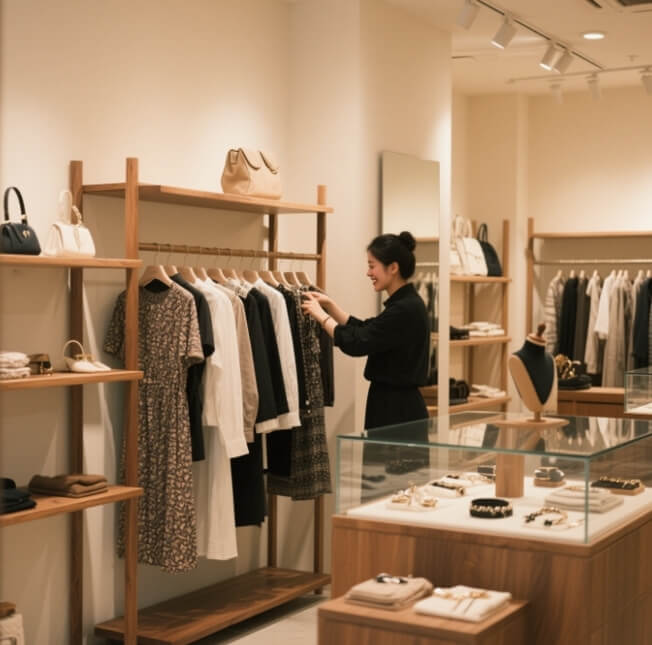
Your store’s interior is a visual sales pitch—shoppers form first impressions in 7 seconds. Here’s how to design for engagement:
Material Psychology
– Luxury brands: Opt for brass or polished chrome racks, velvet seating, and warm lighting (2700K–3000K) to evoke exclusivity.
– Streetwear/eco-brands: Use reclaimed wood, industrial metal, and Edison bulbs for an authentic, rugged vibe.
– Youth-focused labels: Experiment with bold colors (neon accents), modular acrylic displays, and interactive screens showing user-generated content.
Merchandising Tactics
– The Golden Triangle: Place high-margin items (60–100% markup products) between 5’–6’ height, where eyes naturally land. Use risers or angled shelves to create depth.
– Seasonal Storytelling:
– Spring: Pastel-colored racks with fresh flowers; mannequins styled in “brunch-to-park” outfits.
– Holiday: Velvet backdrops, twinkling lights, and themed bundles (“Gift sets for the coffee lover”).
– Window Theater: Treat windows like mini-museums. For a surf brand, create a “beach at sunset” scene with sand, driftwood, and mannequins in wetsuits mid-wave. Add QR codes linking to behind-the-scenes videos of your manufacturing process.
Invest in modular systems: Slatwall panels and adjustable grid displays allow quick resets—swap out summer linen for winter knits in under 2 hours. Research from the National Retail Federation (NRF) shows that well-designed fixtures increase average transaction value by 19% by encouraging browsers to linger and explore.
3.Supplier Sherlock: Your Fashion Lifeline.
A resilient supply chain is the backbone of profitability. Adopt a 3-tier supplier strategy to balance reliability and agility:
Core Suppliers (30–40%)
– Role: Source staples (e.g., organic cotton, zippers) with consistent quality.
– Partnerships: Negotiate annual contracts with 2–3 suppliers. Offer upfront deposits for 5–10% discounts. Example: A minimalist brand might lock in a Peruvian pima cotton supplier for their signature t-shirts.
– Ethics Check: Use platforms like Sedex or Fair Labor Association to verify factories meet ISO 14001 (environmental) and SA8000 (labor) standards.
Niche Suppliers (20–25%)
– Role: Source unique, ethically made pieces (e.g., handwoven textiles, upcycled materials).
– Collaborations: Partner with artisans in markets like India (block-printed fabrics) or Kenya (beaded accessories). Offer co-branding opportunities—e.g., “Made in collaboration with X Collective” on product tags.
– Minimum Order Quantities (MOQs): Negotiate lower MOQs (e.g., 50 units vs. 200) in exchange for featuring suppliers in your marketing content.
Flex Suppliers (40–50%)
– Role: Quickly test trends (e.g., Y2K-inspired miniskirts, color-block activewear).
– Platforms: Use Alibaba Gold Suppliers (verify via Trade Assurance) or Maker’s Row for US-based small batches. Order samples first; request fabric swatches and stitching quality reports.
– Bargaining Tips: Offer to promote suppliers on your Instagram in exchange for 15% discounts on pre-orders. Use tools like ProfitBooks to track lead times and inventory turnover rates.
Risk Management:
– Hold 20% safety stock for bestsellers (use Shopify’s demand forecasting tools).
– Identify local backup suppliers (e.g., a nearby fabric mill) for emergencies—critical during post-pandemic supply chain disruptions.

4.Social Swagger: Your 24/7 Billboard.
Social media isn’t just marketing—it’s a brand experience channel. Here’s how to build a cult following:
TikTok: The Trend Lab
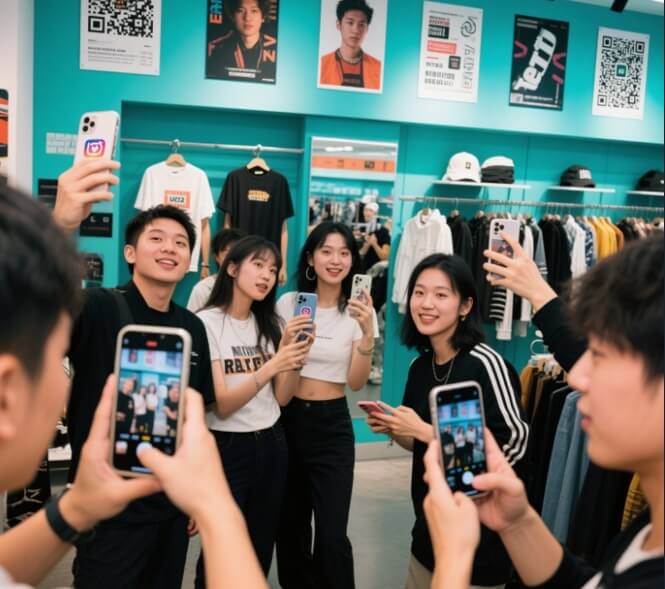
– Micro-Storytelling: Create 15-second videos showing “The Making Of” a product—e.g., a denim brand filming artisans hand-stitching jeans in a Mexico workshop. Use trending sounds like #FashionTok (18.2B views) or #OOTD (5.2B views).
– UGC Challenges: Launch #My[BrandName]Moment, encouraging users to share styling hacks. Reward top posts with $50 store credits and feature them on your website’s “Fan Wall.”
Instagram: The Visual Portfolio
– Carousel Posts: Share behind-the-scenes content (e.g., “10 Secrets of Our Eco-Factory”) or “Outfit Idea” carousels with shoppable tags.
– Reels Strategy: Post “Day in the Life” Reels (e.g., a designer sketching new pieces) to humanize your brand. Use Instagram’s Collabs feature to partner with micro-influencers (1k–10k followers) for takeovers.
Pinterest: The Intentional Shopper Magnet
– SEO Optimization: Use long-tail keywords like “plus size office outfits 2025” or “sustainable wedding guest dresses.” Pin high-quality lifestyle images (e.g., a model in your linen dress hiking a trail).
– Buyable Pins: Enable direct checkout on Pinterest to capture users in the “planning” phase—Pinterest users are 80% more likely to make a purchase after seeing a pin.
Paid Advertising Hacks
– Lookalike Audiences: Use Facebook Ads Manager to create audiences similar to your top 10% customers (based on purchase history).
– Cart Abandonment Campaigns: Retarget users who left items in their cart with a 24-hour flash sale (e.g., “Finish Your Look—10% Off Today Only”).
5.Retention Rituals: Turn Shoppers into Fanatics.
Acquiring a new customer costs 5–25x more than retaining one (Harvard Business Review). Build a loyalty ecosystem with these tactics:
The Welcome Experience
– Unboxing Delight: Include a handwritten thank-you note, a sticker with your brand mantra (e.g., “Wear Your Values”), and a QR code linking to a members-only playlist or styling tutorial.
– New Member Perk: Offer 15% off the next purchase or a free accessory (e.g., a sustainable tote bag) for signing up for your newsletter.
Personalized CRM
– Segmentation: Use tools like Klaviyo to tag customers by purchase history (e.g., “Activewear Enthusiast,” “Vintage Shopper”). Send tailored emails:
– For someone who bought a leather jacket: “Just Arrived: Vegan Leather Gloves to Complete Your Look.”
– For a repeat buyer: “Happy Anniversary! Enjoy 20% Off—Thank You for 1 Year of Support.”
– Abandoned Cart Series: Send a playful email 4 hours after abandonment (“Your [Product Name] is Waiting!”), followed by a discount offer after 24 hours.
Tiered Loyalty Programs
– Levels & Rewards:
– Explorer (1–10 purchases): Earn 1 point per $1 spent, redeemable for discounts.
– Adventurer (11–30 purchases): Early access to sales, free shipping, and a birthday gift.
– Legend (31+ purchases): Personal styling sessions, exclusive drops, and brand Ambassador status.
– Gamification: Introduce “challenges” like “Refer 3 Friends, Get a Free Scarf” or “Post a Photo, Earn 50 Points.”
Surprise & Delight
– Random Acts of Kindness: Send free socks or a handwritten poem to customers who haven’t shopped in 6 months with a note: “We Miss Your Style!”
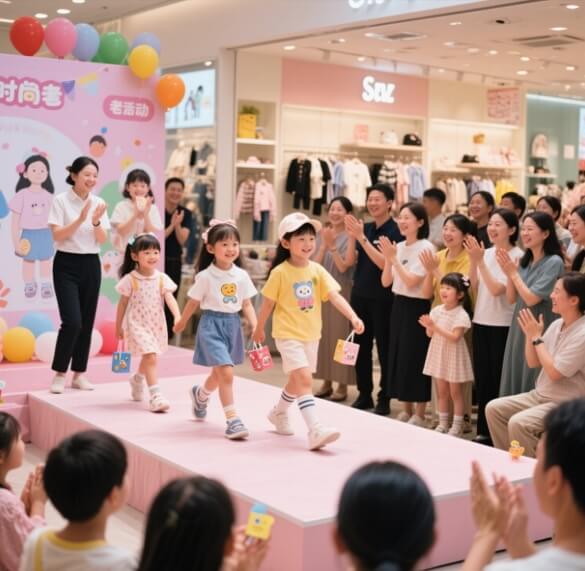
– Community Building: Host virtual events (e.g., a “Closet Cleanout Workshop” for sustainability-focused brands) or in-store meetups with local artists.
The Final Thread: Weaving It All Together
Think of your clothing store as a multi-sensory brand universe:
– Your niche is the soul—clarifying why your brand exists.
– Fixtures are the body—shaping how customers perceive your value.
– Suppliers are the circulatory system—keeping your business alive.
– Social media is the voice—telling your story 24/7.
– Retention rituals are the heart—building lasting relationships.
Use tools like Google Analytics (track social traffic) and Shopify Analytics (monitor inventory turnover) to refine strategies, but don’t lose sight of creativity. A themed window display or a heartfelt thank-you note can turn a transaction into a memory.
Ready to hang that “Open” sign? Every hanger in your store is a blank page—fill them with stories that make customers say, “This is exactly what I’ve been looking for.”